I saw this question before in the community:
“Which model should I use?”
“Is Model A really better than Model B?”
So instead of guessing, I tested it.
I took the same prompt and ran it across multiple models on PicLumen.
No tweaks. No prompt tricks.
Just raw outputs.
I’ve been registered on PicLumen for over 200 days and generated more than 3,000 images here.
These results aren’t benchmarks or marketing shots.
They’re just what I actually got.
Below is a side-by-side breakdown of how each model handled the same prompt — what worked, what didn’t, and where each one really shines.
Prompt 1: Cinematic Fantasy Landscape
Prompt:
A cinematic fantasy landscape with a floating castle on a cliff by the sea, dramatic lighting at sunset, flying dragons, detailed clouds and reflections on water, ultra-realistic textures and vibrant colors.
Nano Banana
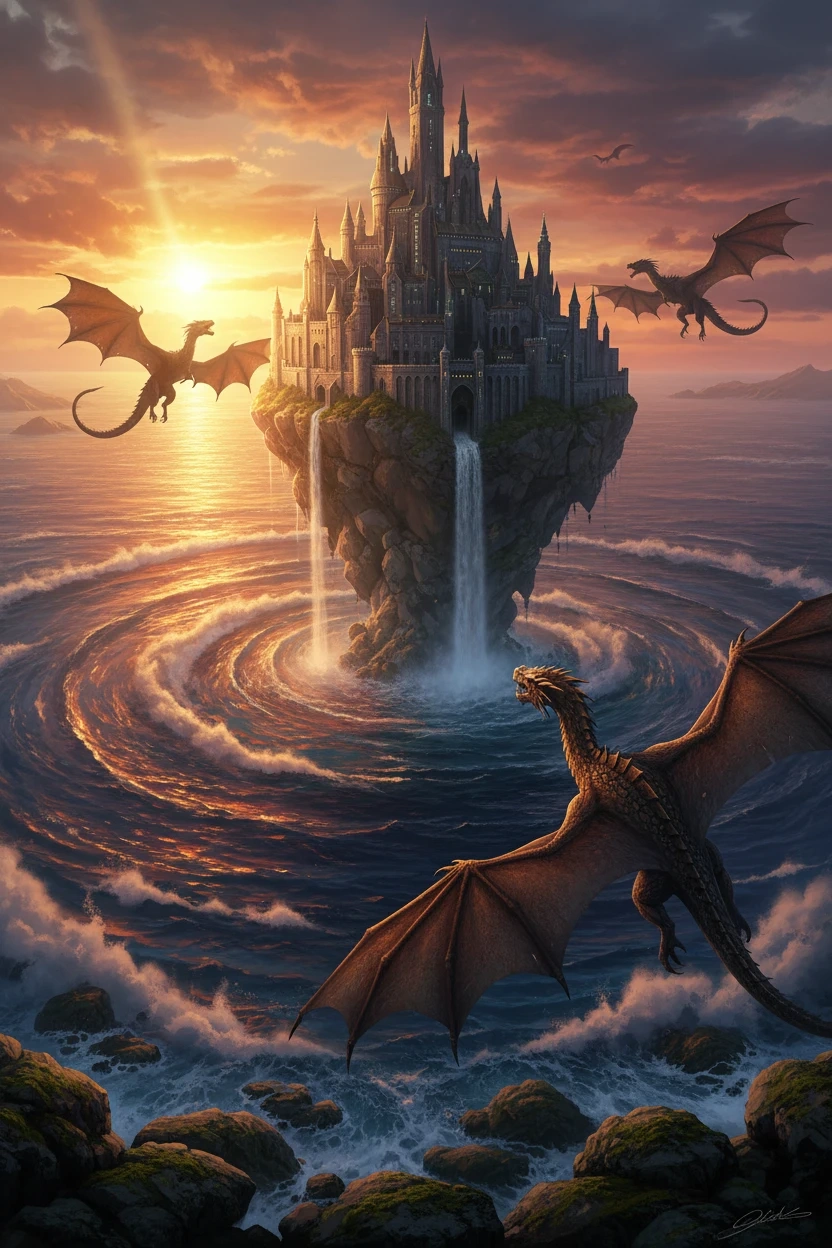
Nano Banana feels like it sits somewhere between illustration and realism. Some of the physics don’t really make sense, and you can usually tell pretty quickly that the image is AI-generated. It works fine for fast ideas or rough exploration, but if you’re aiming for believable, cinematic realism, this model falls a bit short.
Nano Banana Pro
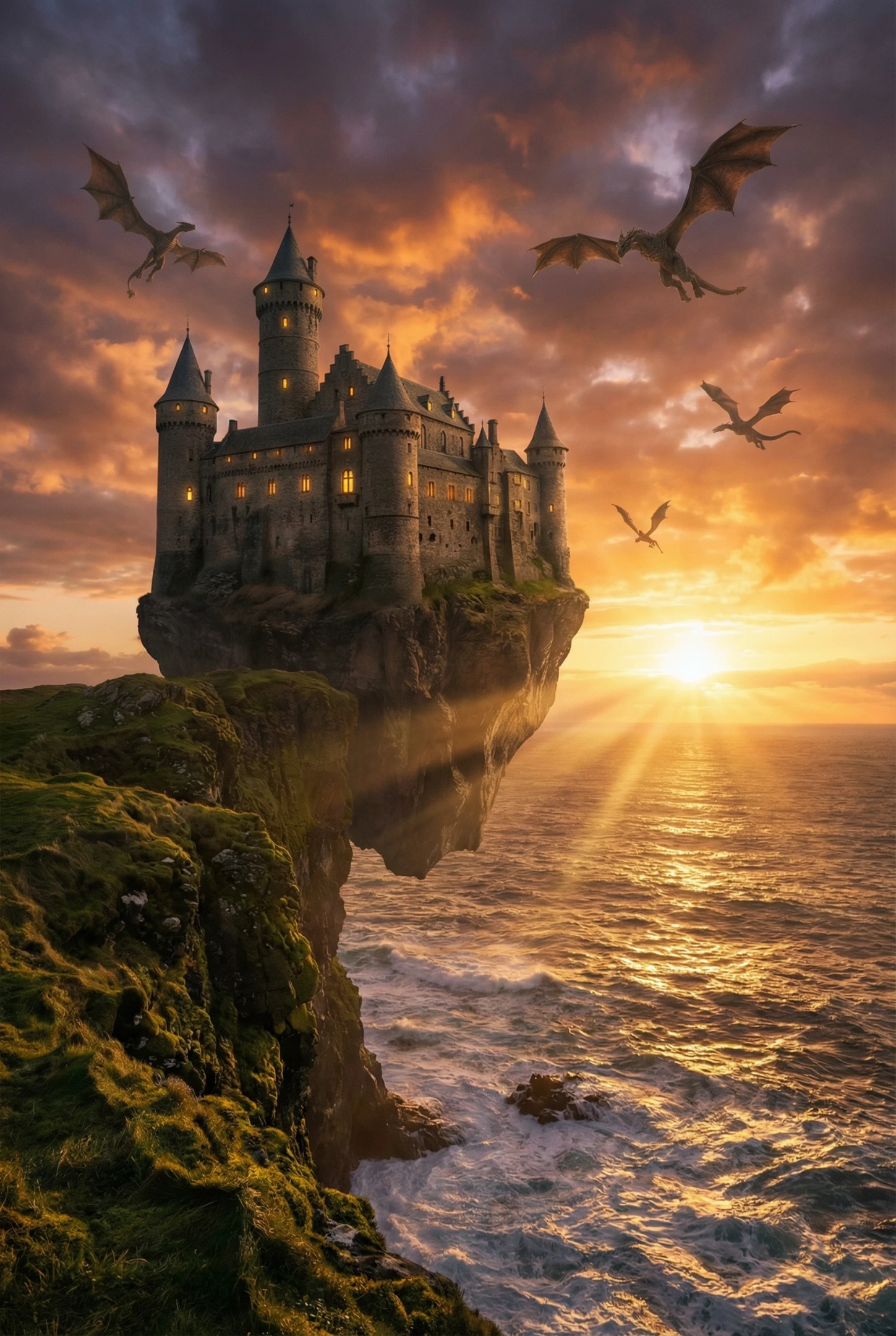
Nano Banana Pro is a clear step forward compared to the previous version. The realism improves a lot, especially in lighting and small details. The image feels more grounded and less “AI-looking,” even though you can still tell it’s generated. Overall, it handles this prompt much more confidently.
Midjourney
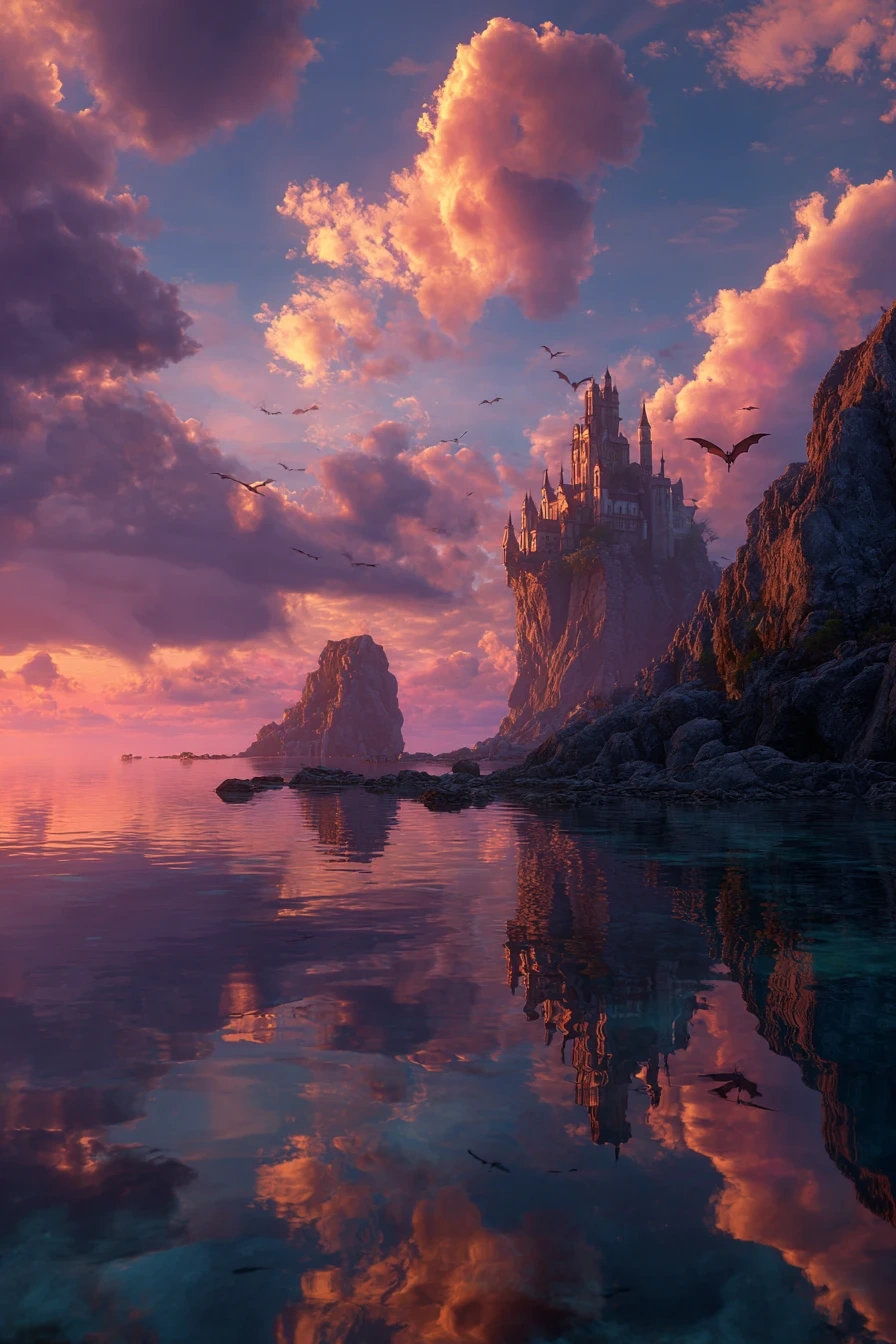
Midjourney really shines with distant views and dreamy colors. The atmosphere is strong and very polished. If you’ve used Midjourney before, you’ll recognize the look immediately — it has a very distinct visual signature. It may not be the most realistic option, but the mood and cinematic feel are excellent.
Seedream 4.0
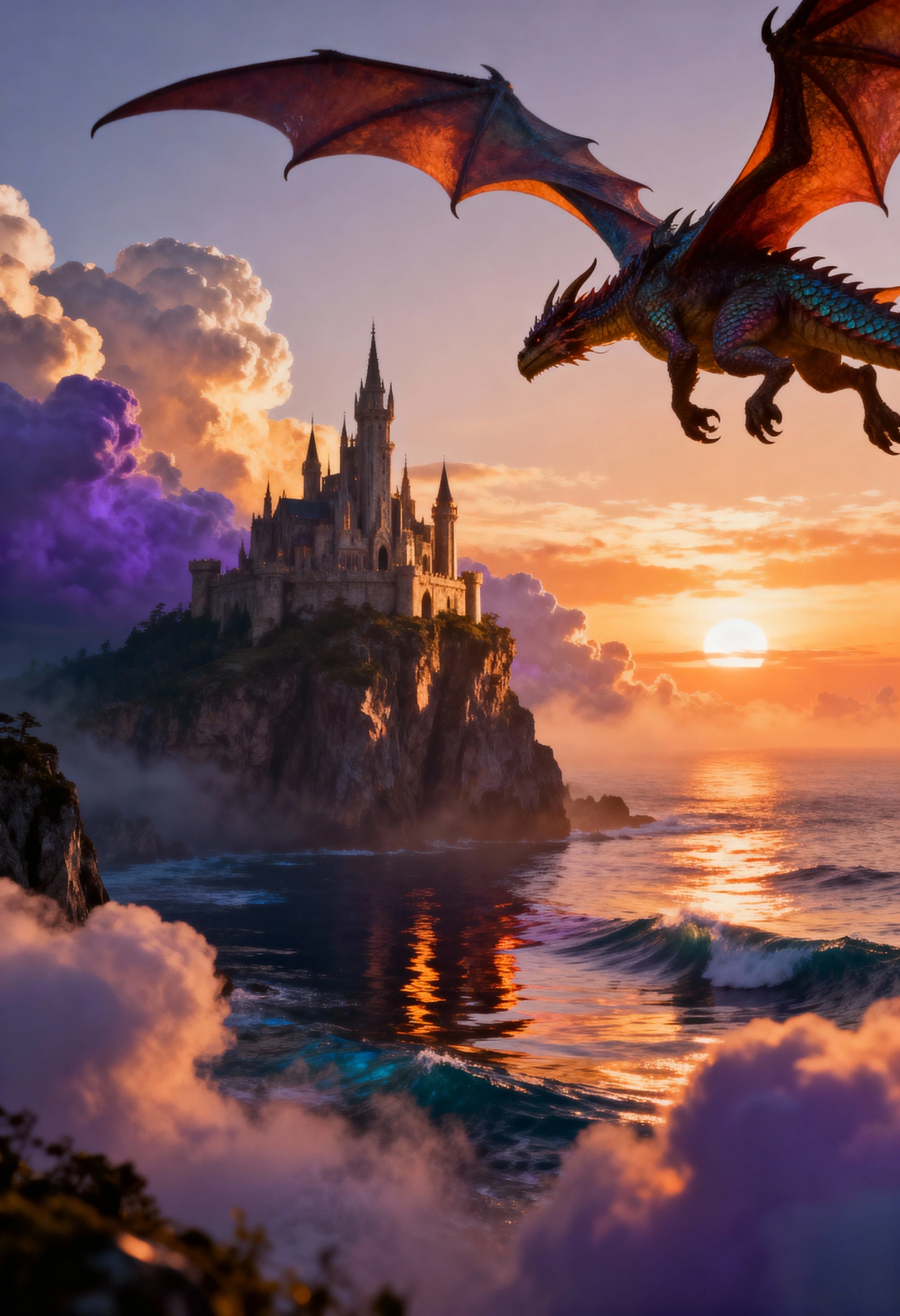
Seedream 4.0 struggles with this prompt. The colors often feel strange, and the AI artifacts are quite obvious. The overall image lacks coherence, and it doesn’t really match the cinematic fantasy style I was aiming for here.
Seedream 4.5
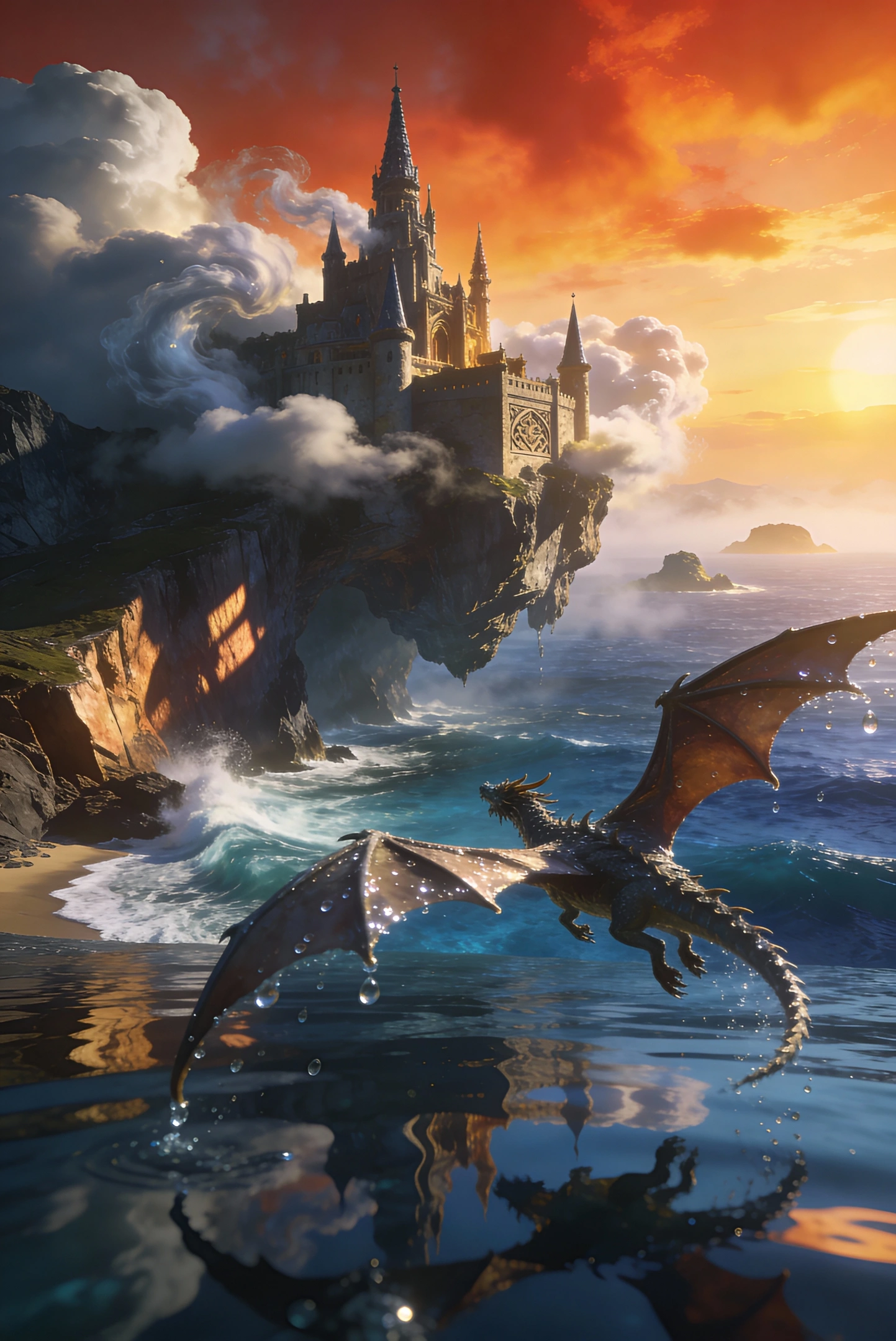
With Seedream 4.5, you can clearly see the model trying to reason through the scene. The structure is better than 4.0, but the final style still doesn’t quite fit this kind of cinematic fantasy landscape. It feels more like an interpreted version of the prompt rather than a natural result.
FLUX.2 Pro
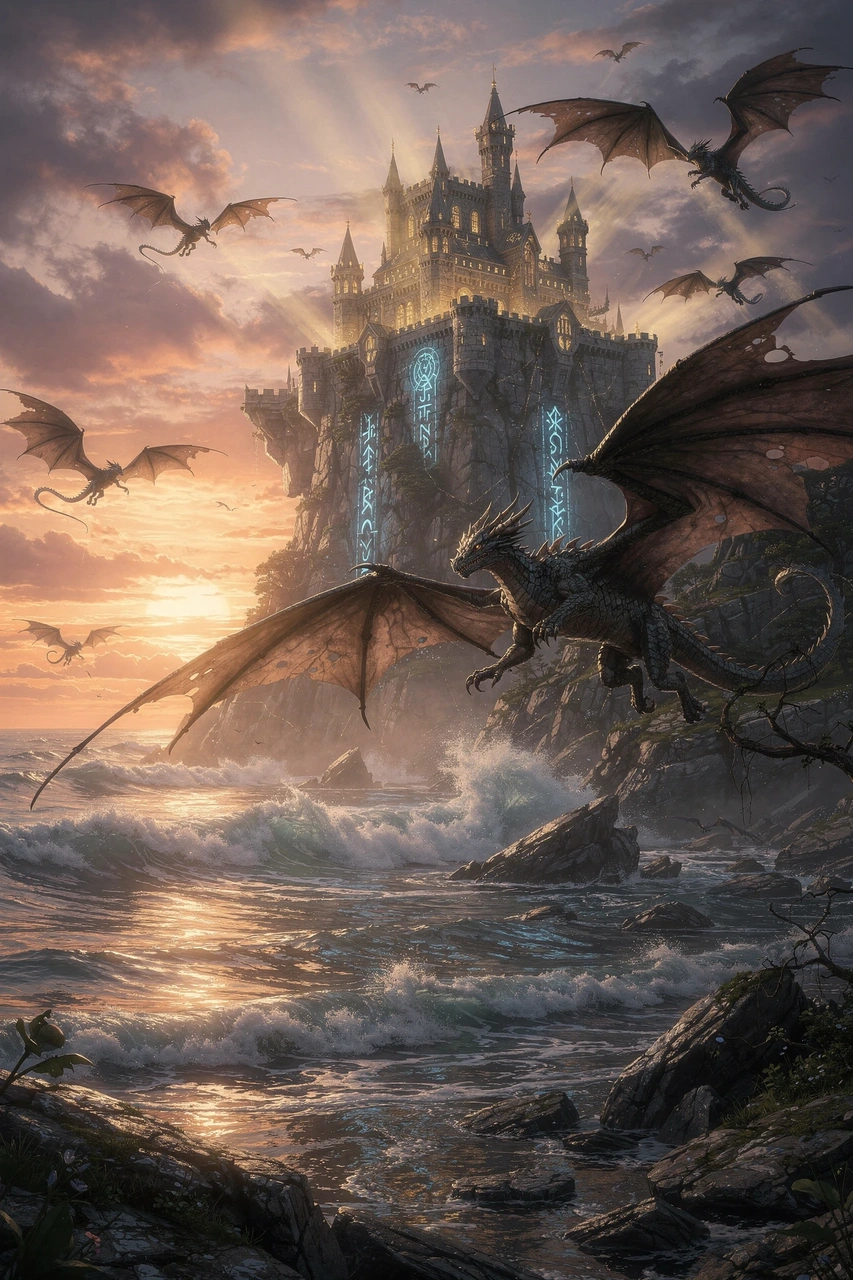
FLUX.2 Pro leans heavily toward an illustration style in this test. The composition is fine, but the image feels less detailed, and the resolution doesn’t hold up as well compared to other models. It looks more like a painted concept piece than a cinematic scene.
Primo
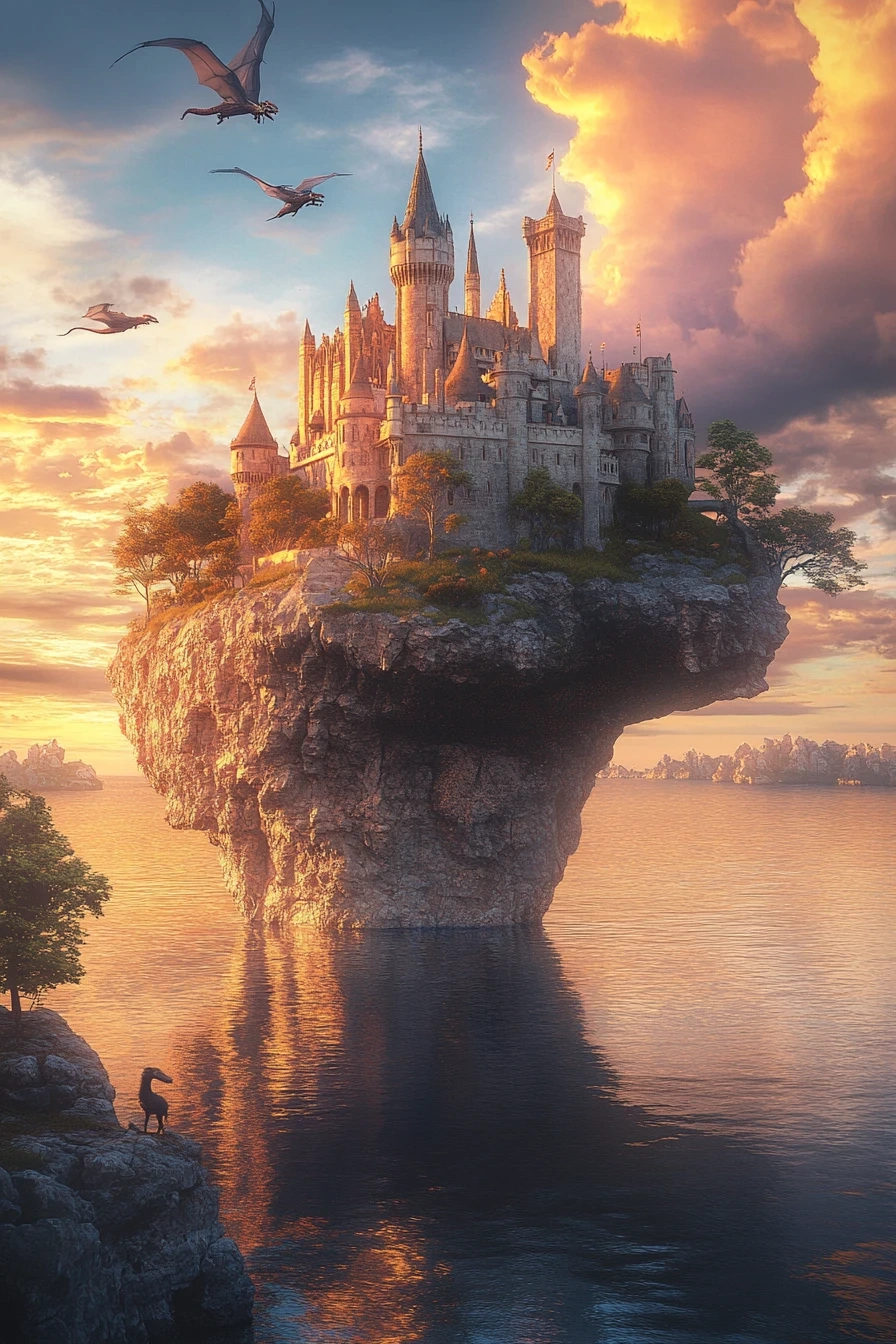
PicLumen Primo delivers results that feel very close to Midjourney. It does a great job building atmosphere and mood, and the overall composition works well. If you’re looking for a Midjourney-like experience on PicLumen, Primo is easily one of the best alternatives.
Prompt 2: Vintage Studio Portrait
Nano Banana
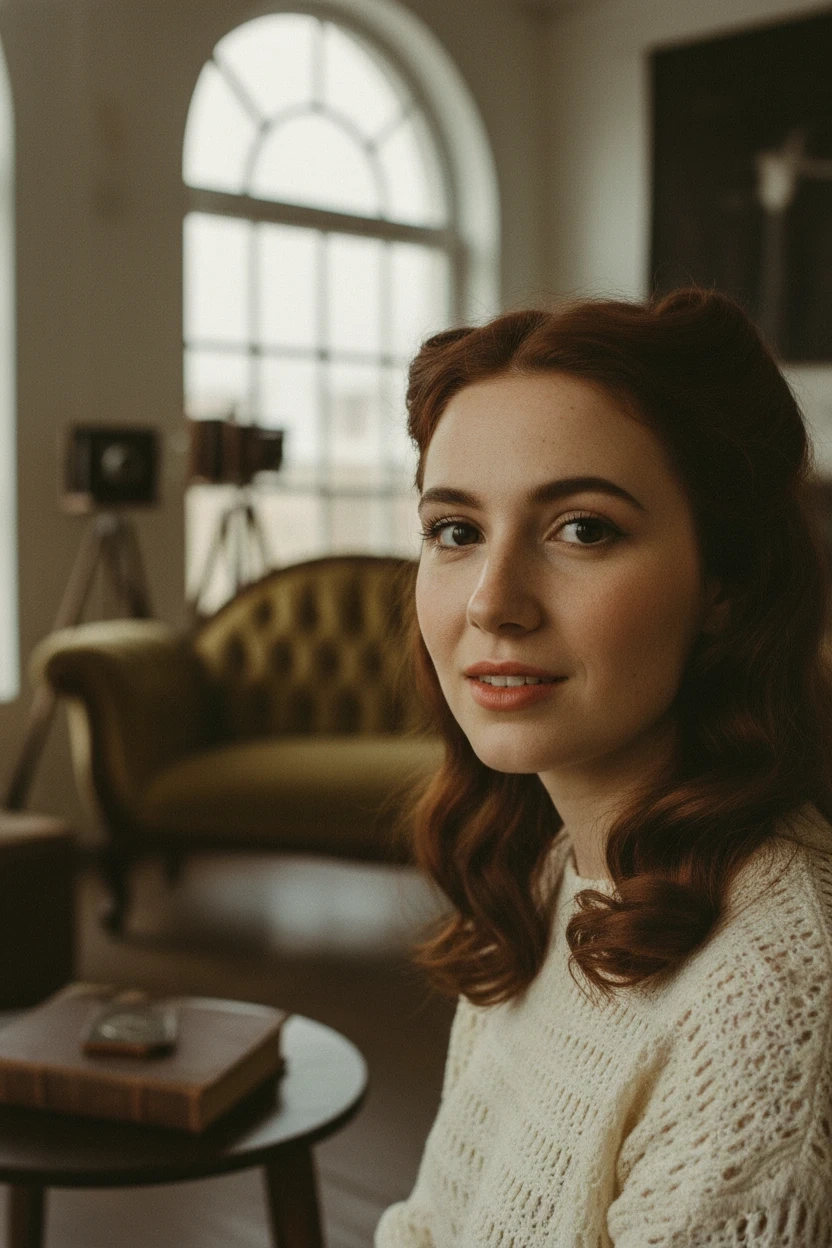
Nano Banana produces a fairly realistic face, but the background blur is extremely strong. This makes the image feel unbalanced, with the subject standing out too sharply from the environment. It looks okay at first glance, but the depth handling feels off.
Nano Banana Pro
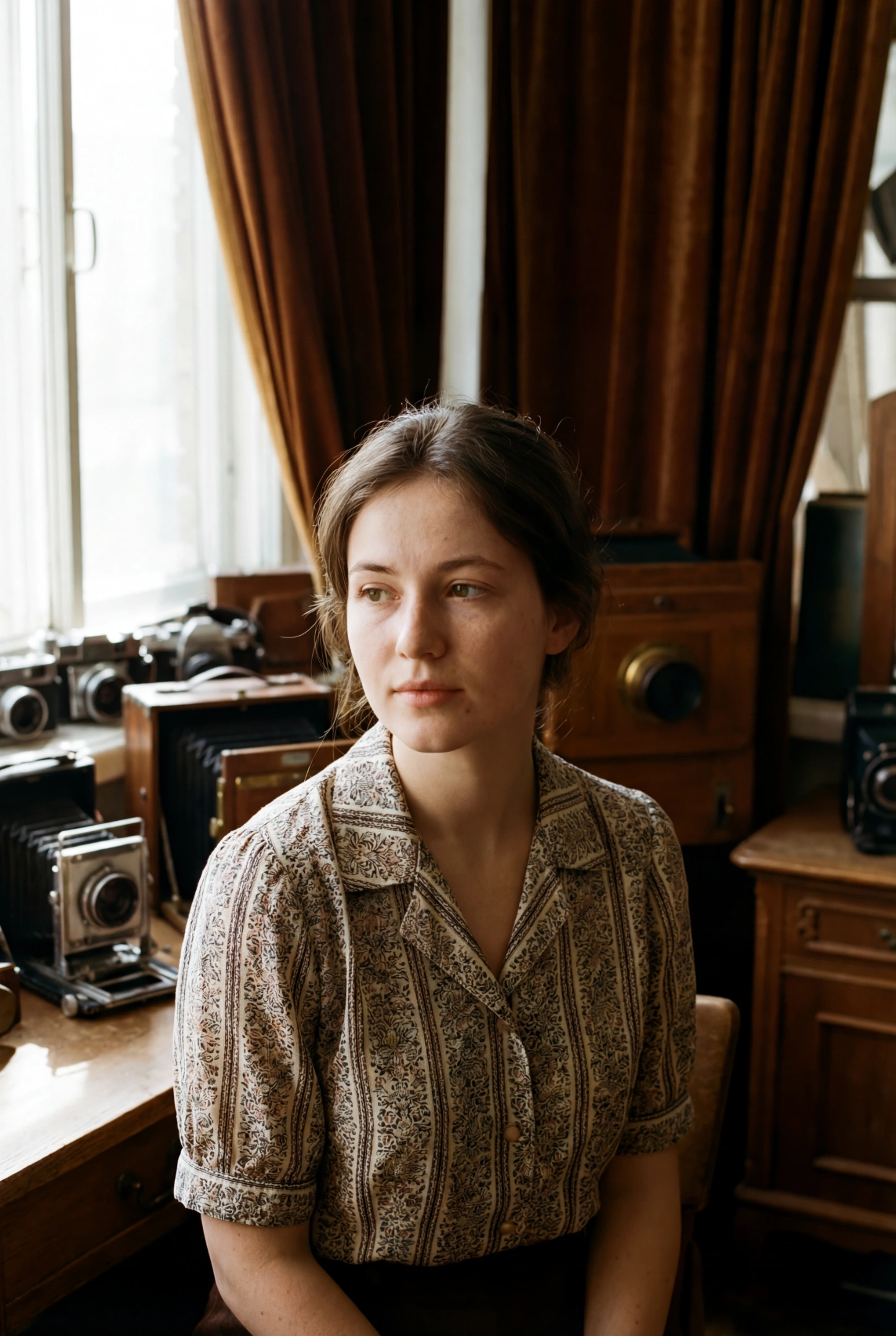
Nano Banana Pro improves a lot in portrait work. Facial expressions look more natural, and fine details are much better handled. The background blur issue is also largely fixed. Overall, the realism is noticeably stronger and more consistent than the base version.
Midjourney
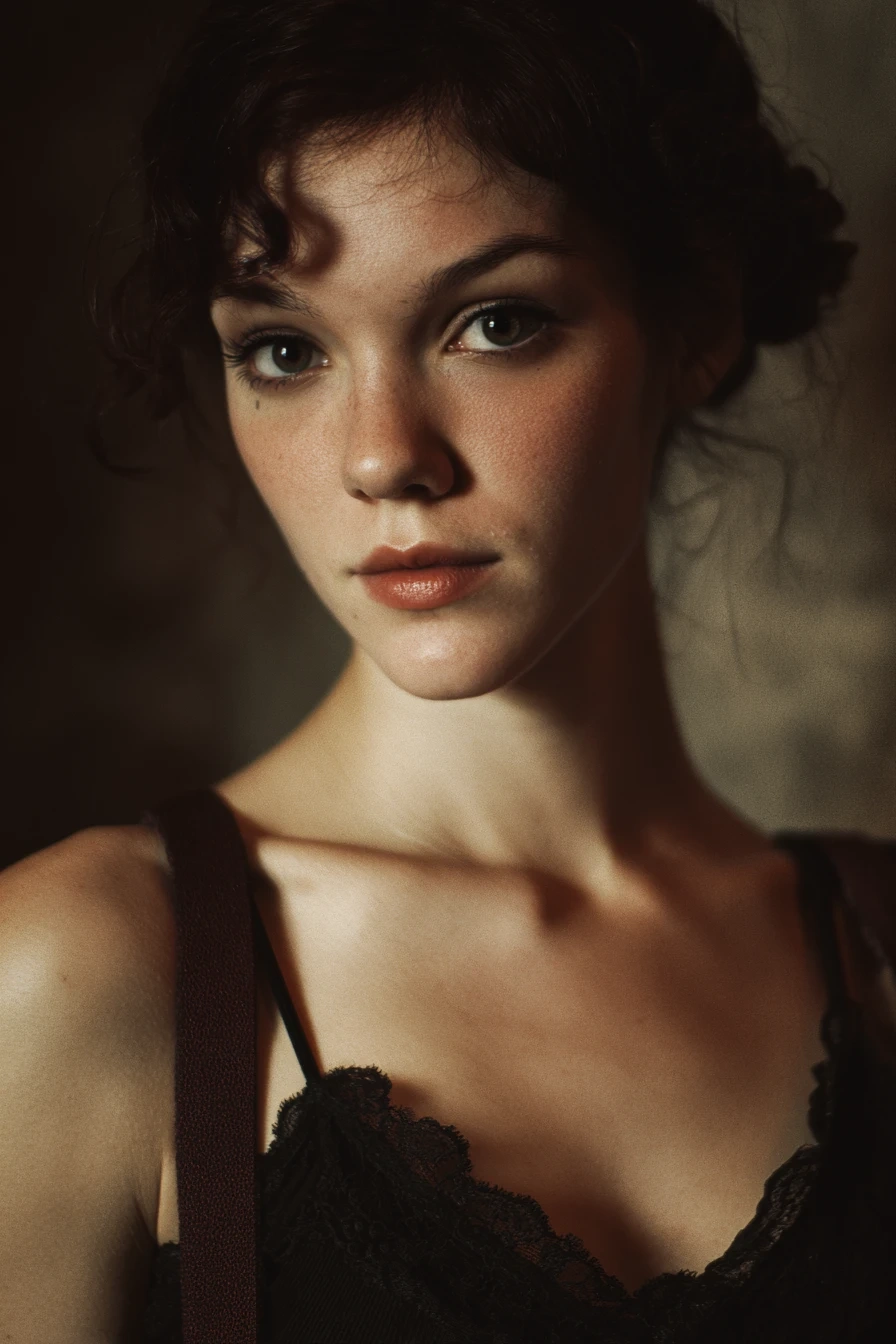
Midjourney creates very atmospheric portraits with rich details and a strong sense of style. The images feel polished and cinematic. If you’re familiar with Midjourney portraits, you’ll recognize the look instantly — it has a very recognizable aesthetic that shows up here as well.
Seedream 4.0
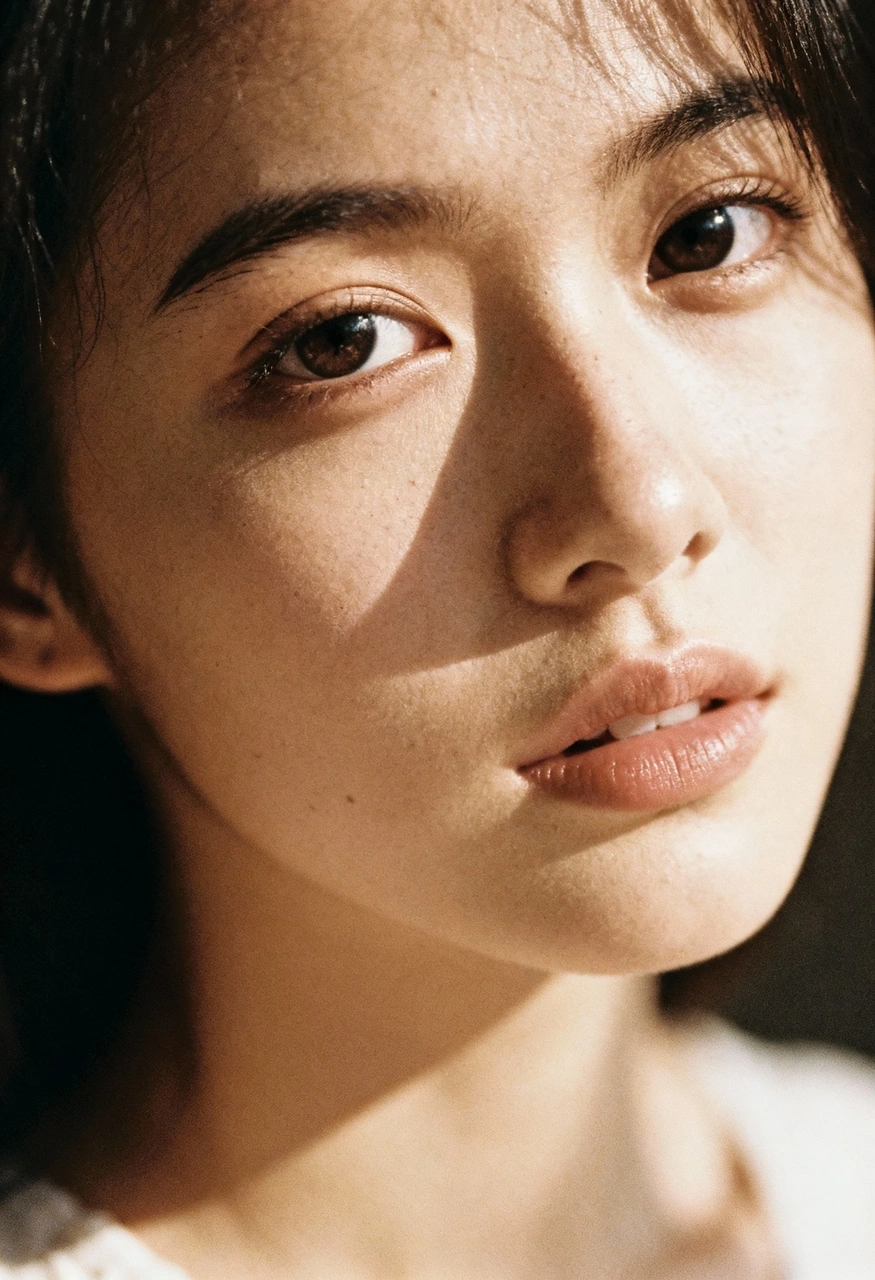
Seedream 4.0 often generates Asian facial features, which may be related to the model’s training background. The portraits look natural, and the level of detail is quite good. It performs better here than it did with the fantasy landscape prompt.
Seedream 4.5
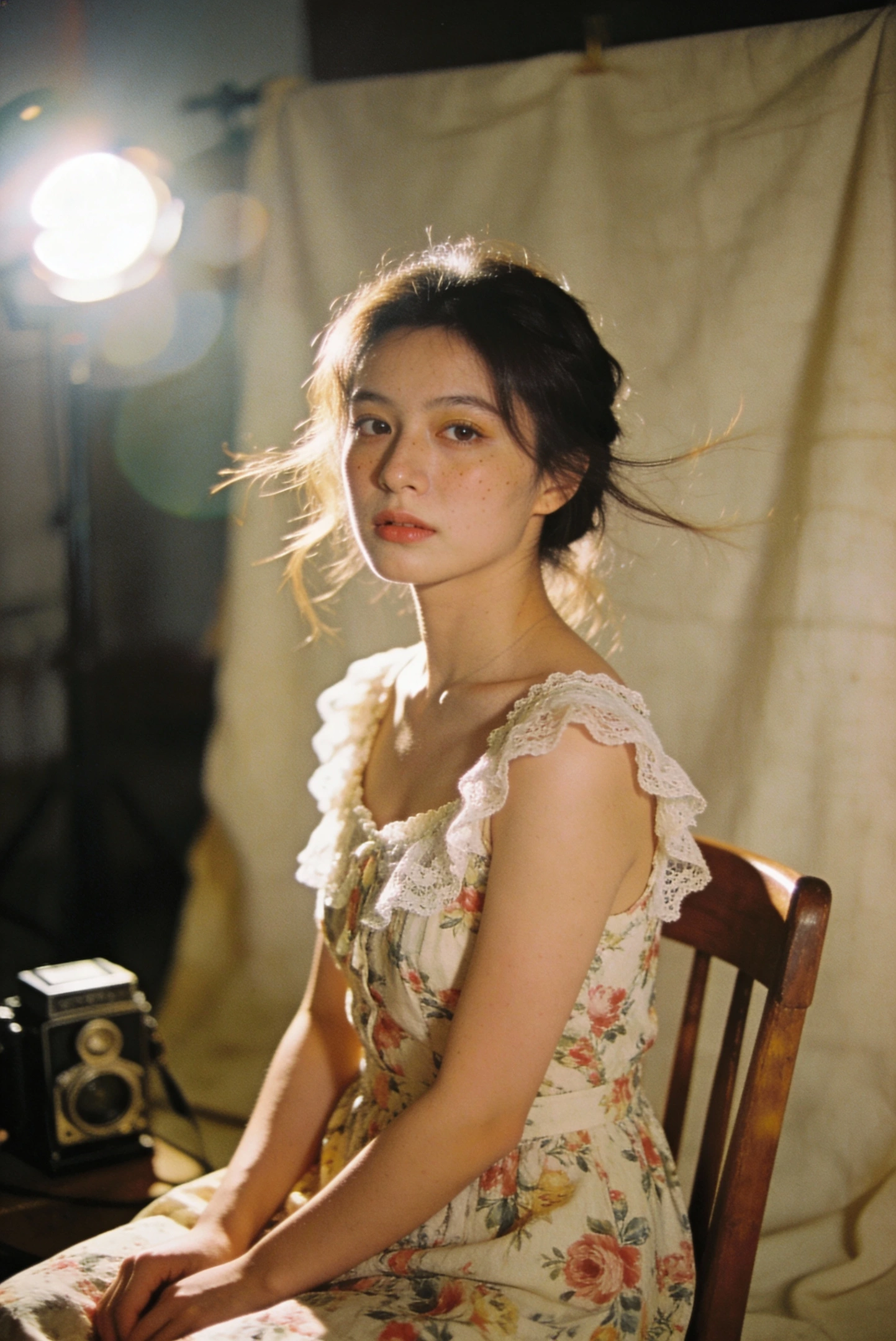
Seedream 4.5 also tends toward Asian faces, but the overall result feels more refined. The lighting is natural, and additional elements added by the model — like side lighting — blend in smoothly. The portrait feels well thought out and visually balanced.
FLUX.2 Pro
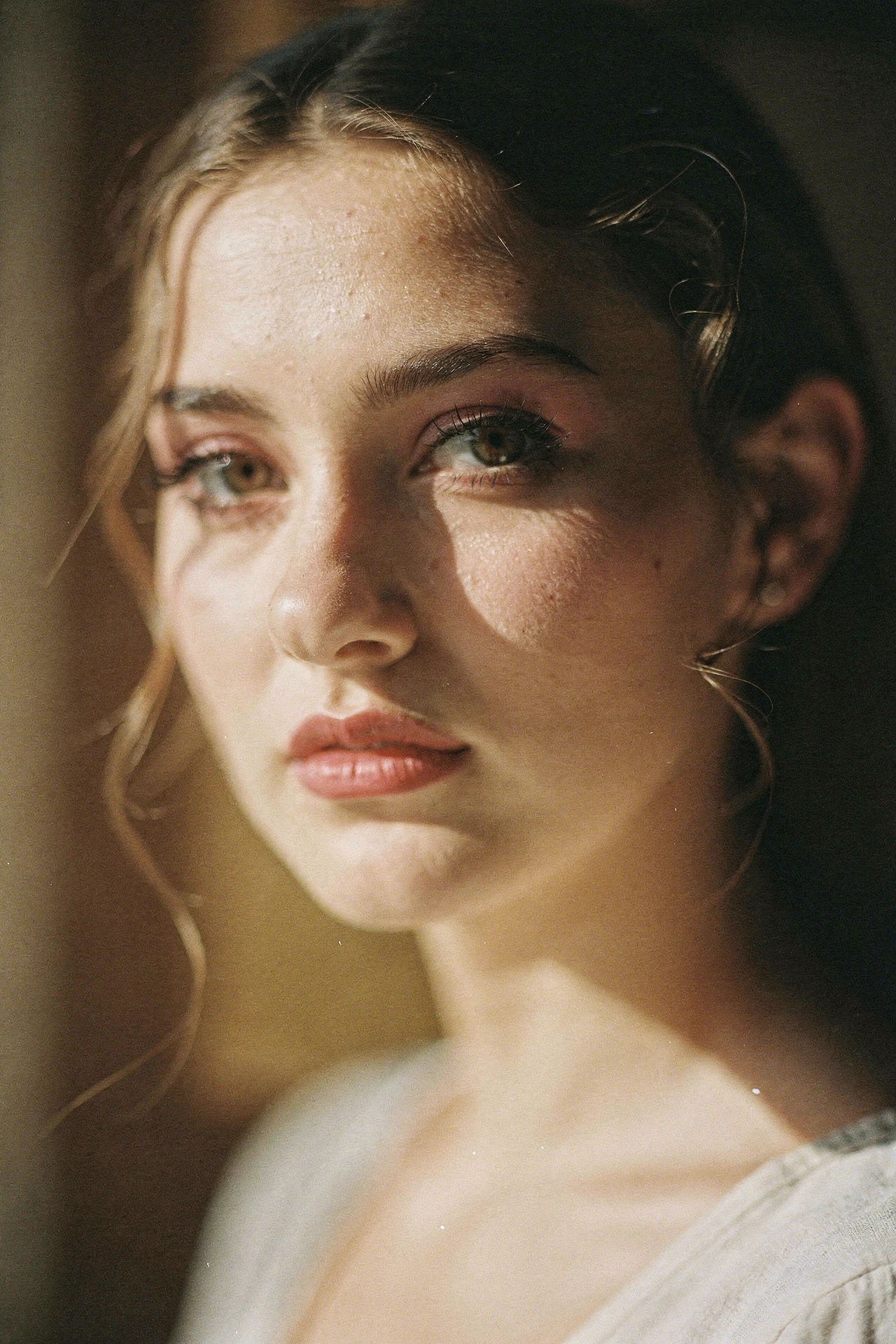
FLUX.2 Pro delivers extremely realistic skin texture. You can clearly see fine facial hair, pores, and subtle skin details. That said, the lighting and focus can feel a bit strange at times, which makes the image feel slightly awkward despite the high realism.
Primo
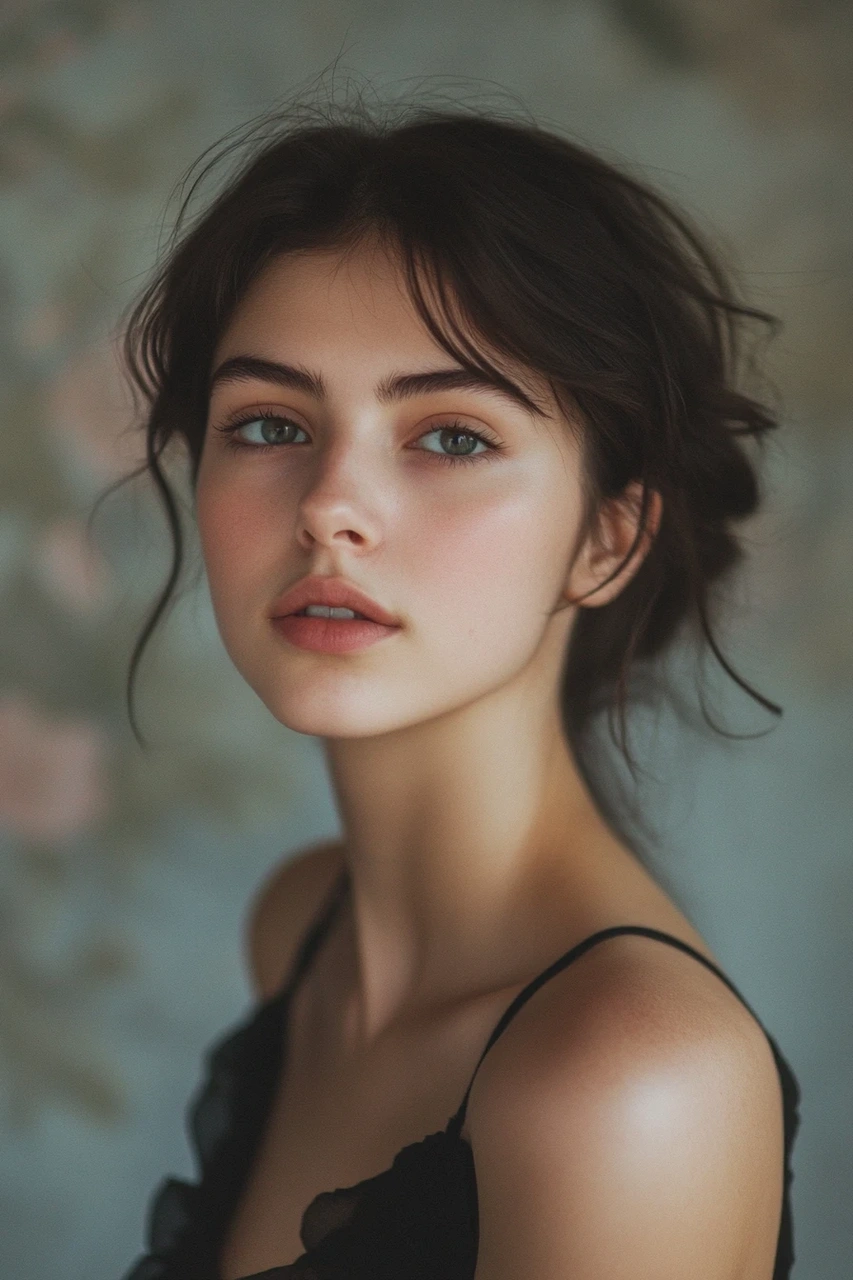
When no specific style is enforced, Primo tends to generate realistic portraits with a soft, beauty-style look. The overall mood is pleasant, but the skin smoothing feels a bit too AI-polished. Color spots and skin tones sometimes look overly clean.
After running the same prompts across all these models, one thing became very clear to me: there’s no single “best” model here. Each one reacts to the prompt in its own way, and the result really depends on what you’re trying to get.
If you care most about atmosphere and mood, Midjourney and Primo are the easiest picks. They’re very good at building a cinematic feeling, even if the images aren’t perfectly realistic. If realism is your priority, Nano Banana Pro and FLUX.2 Pro are stronger options, especially for portraits, though FLUX can feel a bit unpredictable at times. For natural-looking portraits with softer lighting, Seedream 4.5 surprised me in a good way.
My honest advice is this: don’t overthink it too much. Try the same prompt on two or three models and see which one matches your taste. That’s still the fastest way to learn. Models are tools, not rules.
These results aren’t meant to be final judgments. They’re just what I personally got after a lot of generations. If your results look different, that’s normal. That’s also part of the fun for me.