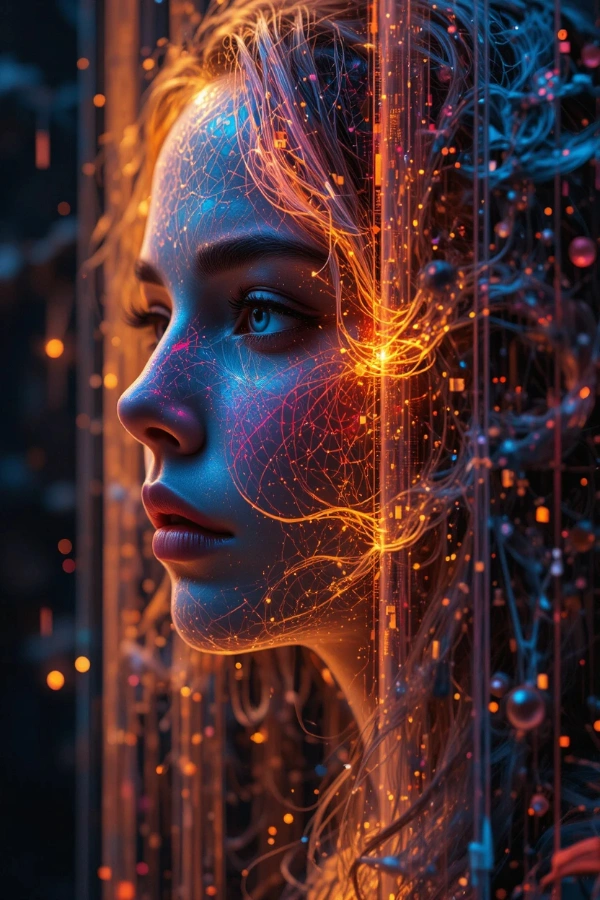
Unlocking the Art of Semantic Direction: A Methodology for Consistent AI Art
Are you tired of the "Copy-Paste" loop? You find a prompt online, try it, get a random result, and move on to the next. That is not creativity; that is gambling with algorithms.
To achieve professional, consistent results in platforms like Piclumen, we need to shift from using tools to adopting a Methodology. Today, we introduce Semantic Direction: a structured way of thinking that transforms you from a passive user into an active creative director.
The Paradigm Shift: From Technical Syntax to Human Semantics
The old approach was technical: memorize parameters, use weights, apply ratios.
The new approach is linguistic and human-centric.
Modern AI image models don't just respond to code—they respond to meaning, context, and story. Think of it as giving directions to a brilliant but literal-minded painter, not programming a machine.
Our methodology, refined through the Master System framework, rests on three core pillars:
Pillar 1: The Director's Mindset – Narrative Density
A prompt is not a search query; it is a scene script.
Instead of: "A cat"
Describe: "A weary stray cat takes shelter under a neon-lit diner awning, its fur matted by relentless rain, eyes reflecting the glow of passing hovercars."
This is our "Micro-Story" technique:[Emotion] + [Action] + [Environment] + [Lighting] + [Artistic Style]
Every word must paint part of the picture.
Pillar 2: Speaking the Model's Language – Adaptive Communication
Piclumen is not Grok. Gemini is not Meta AI. Each has a unique "personality."
For Piclumen (The Digital Painter): Use poetic, sensory language. The
::delimiter becomes a breath mark in a visual poem.For Grok (The Cinematic Director): Think in epic scales and dramatic camera angles.
For Gemini (The Architect): Prioritize spatial logic and clean geometry.
A rigid, one-size-fits-all prompt fails because it speaks one language to four different listeners.
Pillar 3: The Iterative Workflow – From Abstract to Concrete
Theory into practice: Let's apply the methodology to a Stress Test concept.
The Challenge: A cyberpunk samurai in a rainy, neon city.
Step A – The Raw (but Vague) Idea:"A samurai robot in a cyberpunk city with rain."
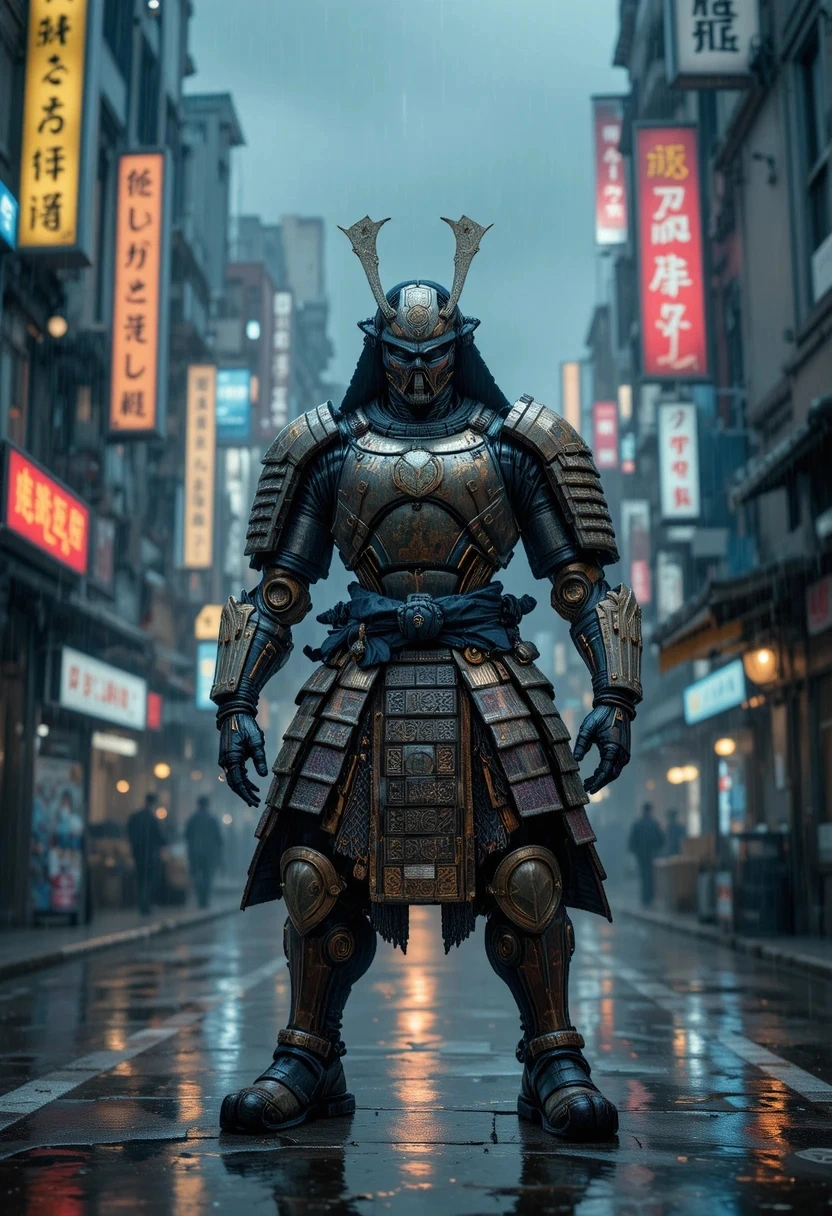
(Result: Inconsistent, generic imagery.)
Step B – Semantic Application (Method in Action):
We apply the Micro-Story formula, tailored for Piclumen's painterly sensibilities:
"A stoic samurai automaton stands vigilant in a rain-slicked cyberpunk alleyway :: Neon advertisements paint streaks of crimson and electric blue across its polished chrome plating :: Cold droplets trace paths down the length of a dormant plasma katana :: Moody, high-contrast digital painting with visible brushwork and atmospheric glow."
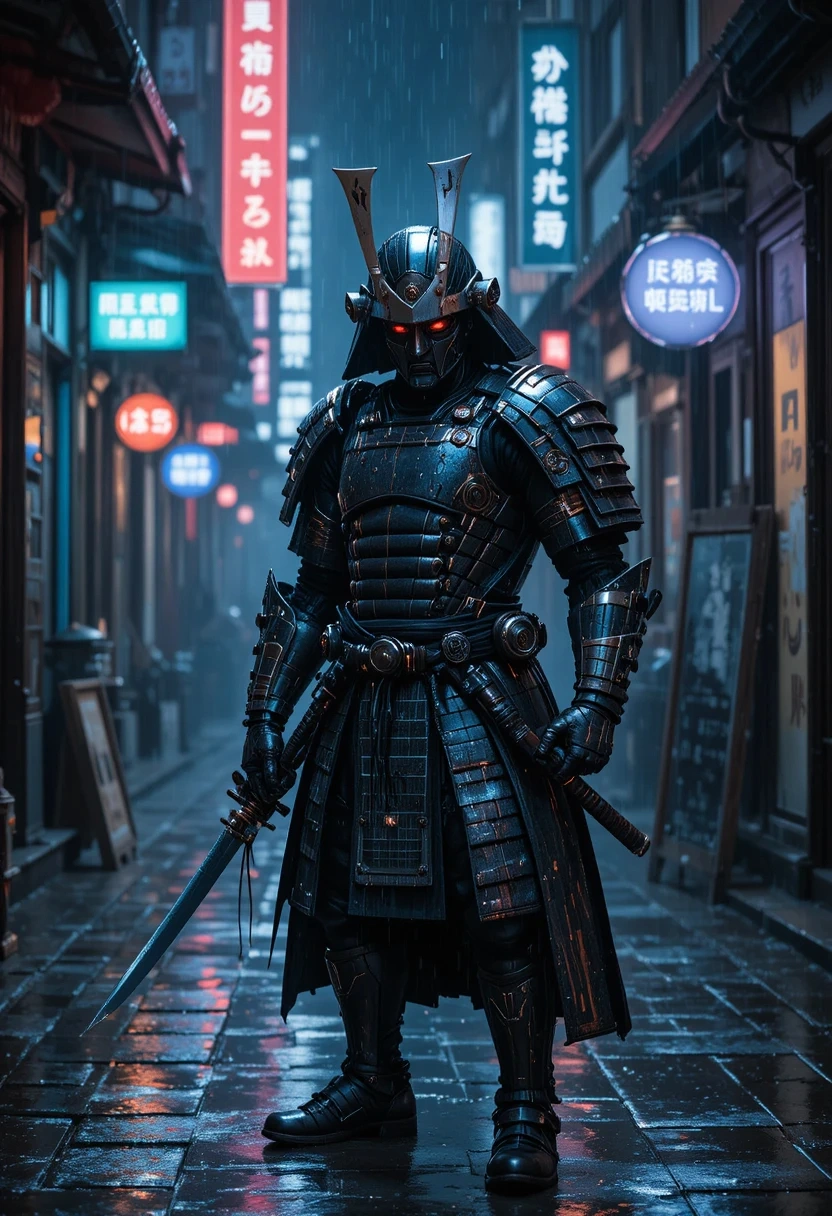
Why This Works:
"Stoic... stands vigilant" – Establishes character and narrative.
"Polished chrome... droplets trace paths" – Provides tactile texture density.
"Neon paints streaks... atmospheric glow" – Guides color and light logic.
::delimiter – Uses Piclumen's native syntax as a rhythmic pause, not a crude weight."Digital painting with visible brushwork" – Specifies the medium, honoring the platform's artistic soul.
Embracing the Limitations: A Realistic Outlook
This methodology is powerful, but not magical. Keep in mind:
It requires practice. Your first tries might not be perfect.
Iteration is still key. Even great prompts sometimes need refinement.
Some styles are easier to direct than others. Highly abstract concepts remain challenging.
The AI's "interpretation" is part of the process. Embrace the happy accidents.
Conclusion: Master the Method, Not Just the Prompt
Specific prompts will change. Platforms will update. New models will emerge.
But if you master the methodology of Semantic Direction, you build a foundational skill that lets you guide any AI to create intentional, compelling art.
Don't just be a prompter.
Be a Director.
Ready to explore the complete technical framework and deep-dive into each pillar? The full Master System documentation is available for those who want to move from theory to mastery.
