Introduction
The true power of AI art lies in its ability to synthesize two unrelated ideas into a single, cohesive image. Whether it’s a character with a clock for a head or a cosmic whale built from gears, "joining" concepts requires more than just listing objects. It requires "Thematic Anchoring." In this 2026 guide, we explore how to master hybrid prompting in PicLumen.
Step 1: The "Made Of" Technique
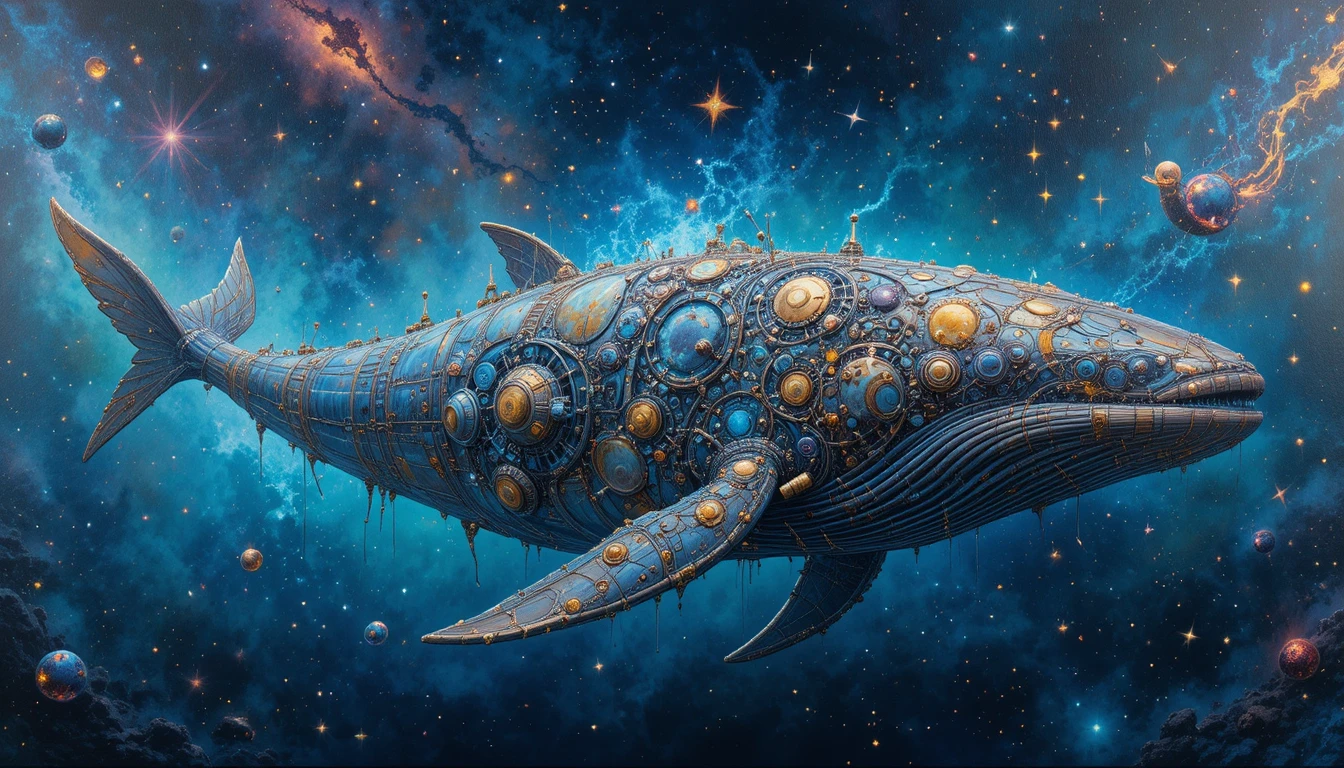
Instead of saying "A whale and a machine," use material-focused language to define the texture.
The Logic: [Subject] + [Material/Internal Parts] + [Environment].
Example Prompt: "A massive cosmic whale, body made of intricate gears and mechanical parts, glowing internal pistons, swimming through a deep galaxy nebula, steampunk aesthetic, hyper-detailed."
Step 2: The "Replacement" Logic
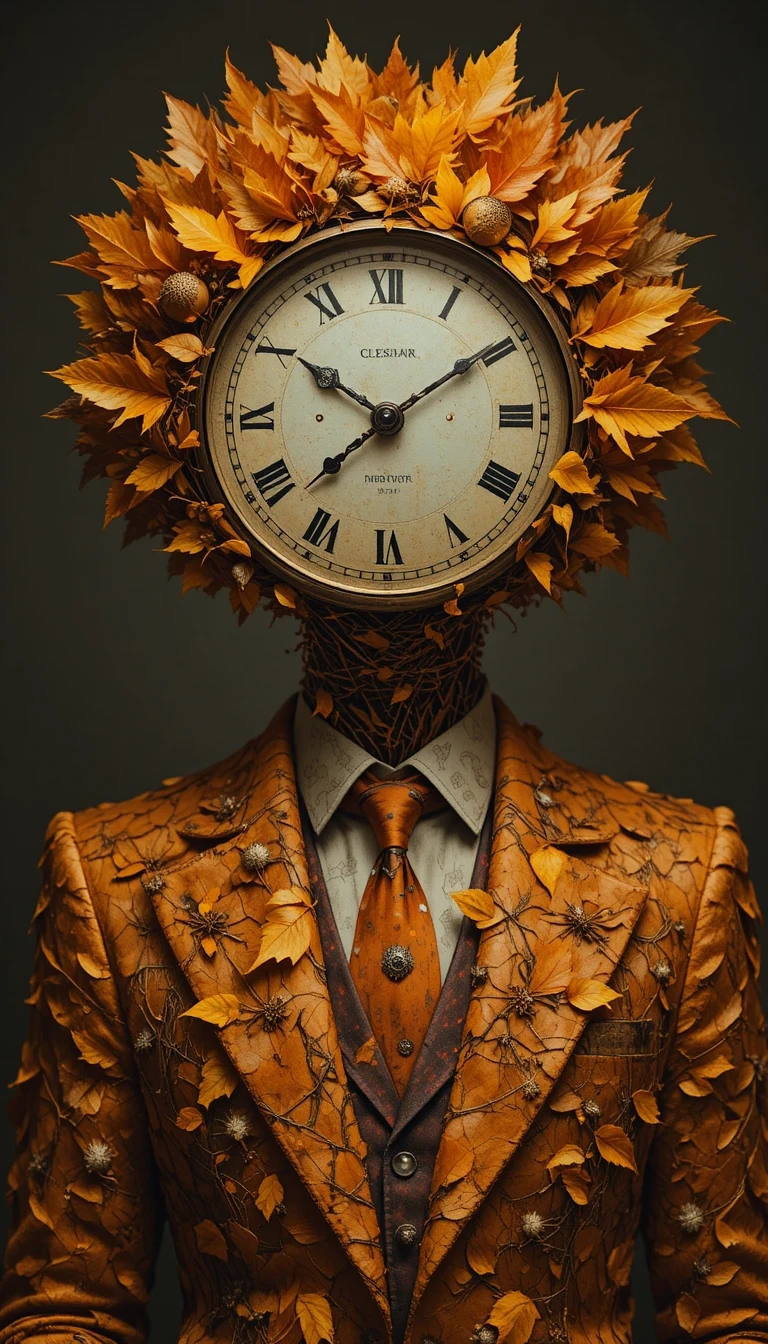
When swapping a body part (like a clock head), you must specify how the two parts connect to avoid a "floating" effect.
The Logic: [Character] + [Anatomical Swap] + [Structural Connection].
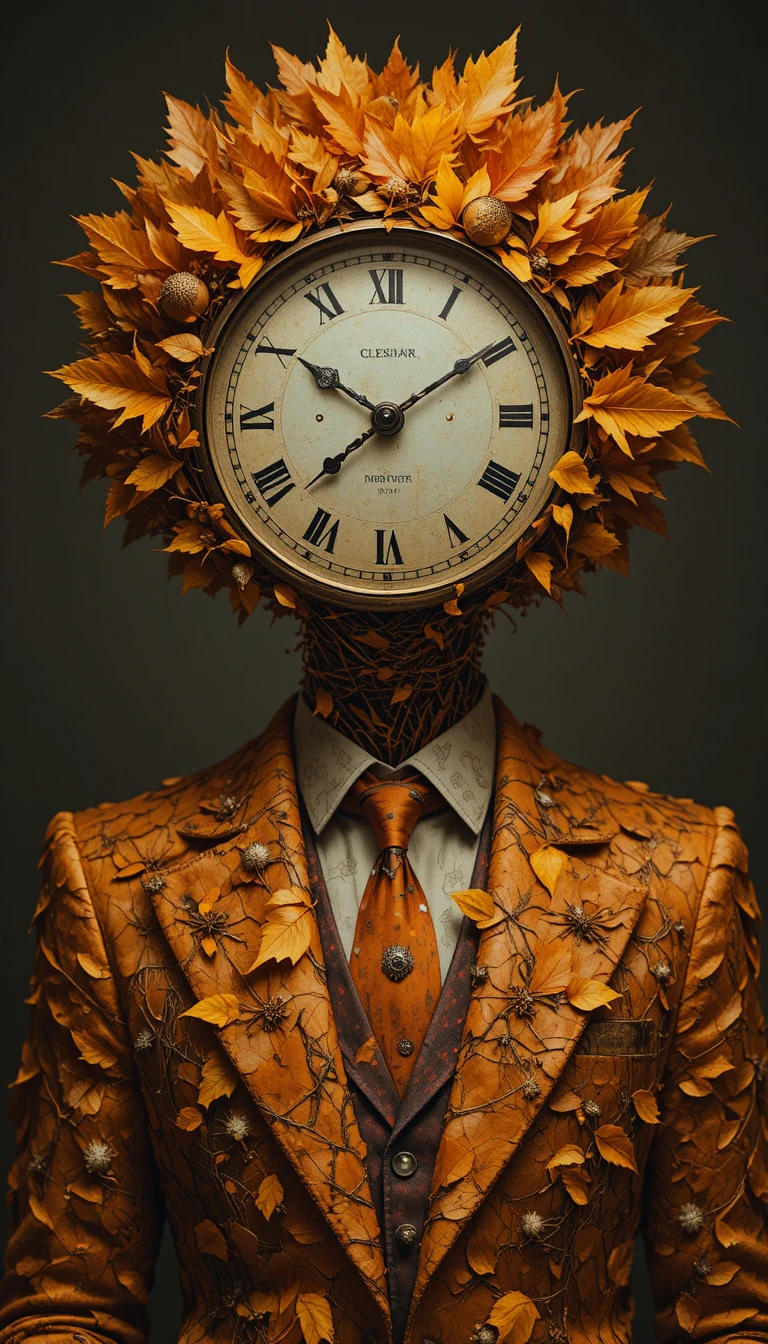
Example Prompt: "A mysterious figure wearing a jacket made of crisp orange autumn leaves, a large vintage antique clock seamlessly replacing the head, brass neck joints, cinematic lighting, surrealism."
Step 3: Weighting and Blending
If the AI ignores one part of your hybrid, use Weighted Keywords.
Pro Tip: If the "autumn leaves" are disappearing, repeat the attribute in different ways: "A jacket woven from dried maple leaves, foliage texture, autumn leaf garment."