For years, Nano Banana Pro was the benchmark for high-end AI visuals. It delivered sharp detail and strong outputs for demanding projects. But as production pipelines matured, expectations changed. Creators began noticing subtle limitations: glass that felt slightly plastic, labels that warped under zoom, multi-reference scenes that required manual correction, and batch outputs that lost micro-consistency. In 2026, those compromises are no longer acceptable. Nano Banana 2, officially powered by Gemini 3 Flash Image, is not a minor upgrade—it is a full architectural shift built for scalable, production-grade realism. While Pro focused on high detail, Nano Banana 2 focuses on physical truth.
⚡ The Three Definitive Upgrades
1️⃣ Multi-Image-to-Image Composition
Nano Banana 2 natively understands multiple references. You can combine a product silhouette, lighting reference, and brand style guide within a single generation. Perspective alignment remains stable, and composition logic is preserved. AI generation moves from guesswork to directed visual construction.
2️⃣ Advanced Material Physics
Nano Banana 2 accurately models subsurface scattering in creams, refractive indices in glass, and controlled specular roll-off in metals. Light is treated as entering, bending, dispersing, and exiting surfaces—not simply reflecting. This makes it ideal for luxury skincare, jewelry, automotive renders, and premium packaging where realism must withstand scrutiny.
3️⃣ Textual & Structural Integrity
Branded production demands precision. Nano Banana 2 maintains label alignment, typography stability, and edge consistency even at high zoom levels. Where legacy engines occasionally distorted micro-text, Nano Banana 2 preserves semantic and structural logic, making it suitable for Digital Twin asset pipelines.
🏆 Real Commercial Applications
Luxury Skincare Campaigns
Stable glass refraction, marble caustics, metallic highlight control, and dense liquid textures render with consistent micro-structure.
E-commerce Catalog Production
Generate 50+ SKU variations under consistent lighting without label drift or shadow inconsistency.
Branded Packaging Systems
Use multi-image inputs to embed brand DNA into every generated asset, ensuring uniform tone and lighting across campaigns.
📊 At-a-Glance: 2026 Model Comparison
Use Case | Nano Banana 2 | Nano Banana Pro |
Fast, accessible generation | ⭐⭐⭐⭐ | ⭐⭐ |
High-quality photorealism | ⭐⭐⭐⭐ | ⭐⭐⭐ |
Multi-object / multi-reference scenes | ⭐⭐⭐⭐ | ⭐⭐⭐ |
Large aspect ratios (up to 4K) | ⭐⭐⭐⭐ | ⭐⭐⭐⭐ |
Precision refinements | ⭐⭐⭐ | ⭐⭐⭐⭐ |
Production-grade workflows | ⭐⭐⭐⭐ | ⭐⭐⭐ |
Cost-sensitive pipelines | ⭐⭐⭐⭐ | ⭐⭐ |
How to Read This Table: If you are starting new production in 2026, Nano Banana 2 is the default engine. If you are refining a specific frame in a legacy workflow, Pro remains relevant. For scalable brand systems and commercial pipelines, Nano Banana 2 clearly leads.
Nano Banana 2 | Nano Banana Pro |
|---|---|
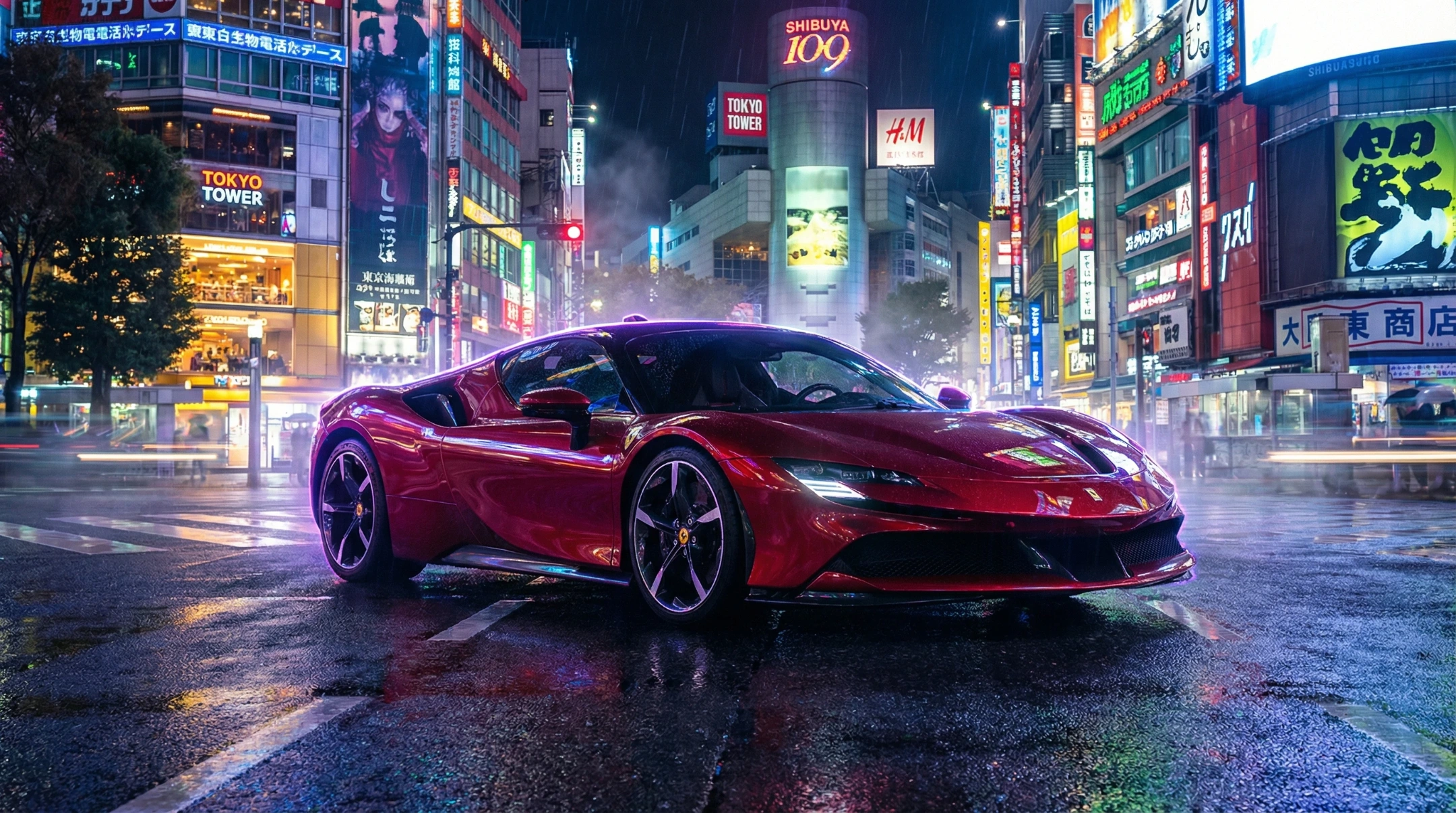 | 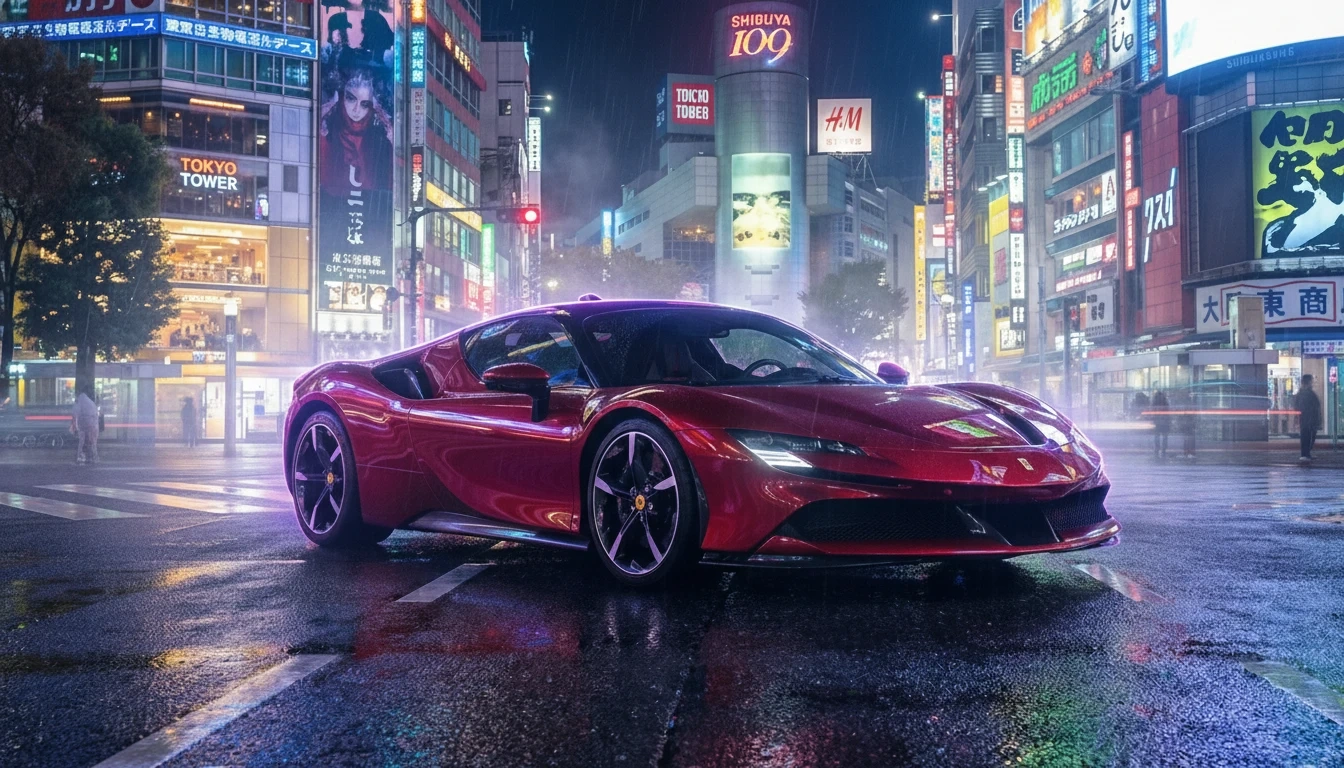 |
📊 Side-by-Side Test: Same Prompt, Different Engines
Prompt Used: Frosted glass serum bottle with a brushed gold pump placed on a white marble surface. Soft studio lighting with rim highlights. Realistic glass refraction, sharp contact shadow, 85mm macro lens, shallow depth of field, high-end cosmetic advertising photography.
What to Observe: Glass refraction accuracy, highlight roll-off behavior, contact shadow realism, and label edge stability. In benchmark comparisons, Nano Banana 2 demonstrates more accurate light dispersion, sharper structural edges, and greater micro-detail stability under magnification.
🛠 Strategic Workflow Shift
For New Projects: Start with Nano Banana 2. Its higher logical baseline reduces prompt correction time and improves predictability.
For Batch Production: Use the Gemini 3 Flash architecture to scale variations while preserving micro-structure integrity.
For Brand Consistency: Feed style references into multi-image mode so every asset inherits your visual DNA automatically.
❓ FAQ
Q1: Is Nano Banana Pro still accessible?
Yes. AI Plus, Pro, and Ultra users can select “Redo with Pro” after initial generation.
Q2: When should Pro still be used?
Pro remains useful for precision refinements and certain legacy workflows.
Q3: Why is Nano Banana 2 the primary model in 2026?
Because of scalability, speed, multimodal interaction, and physical material accuracy.
🧠 Conclusion: The Default Production Engine
Nano Banana Pro defined an era of high-detail AI generation. Nano Banana 2 defines an era of scalable physical realism. In 2026, it is not just an alternative—it is the default production engine for commercial digital assets.