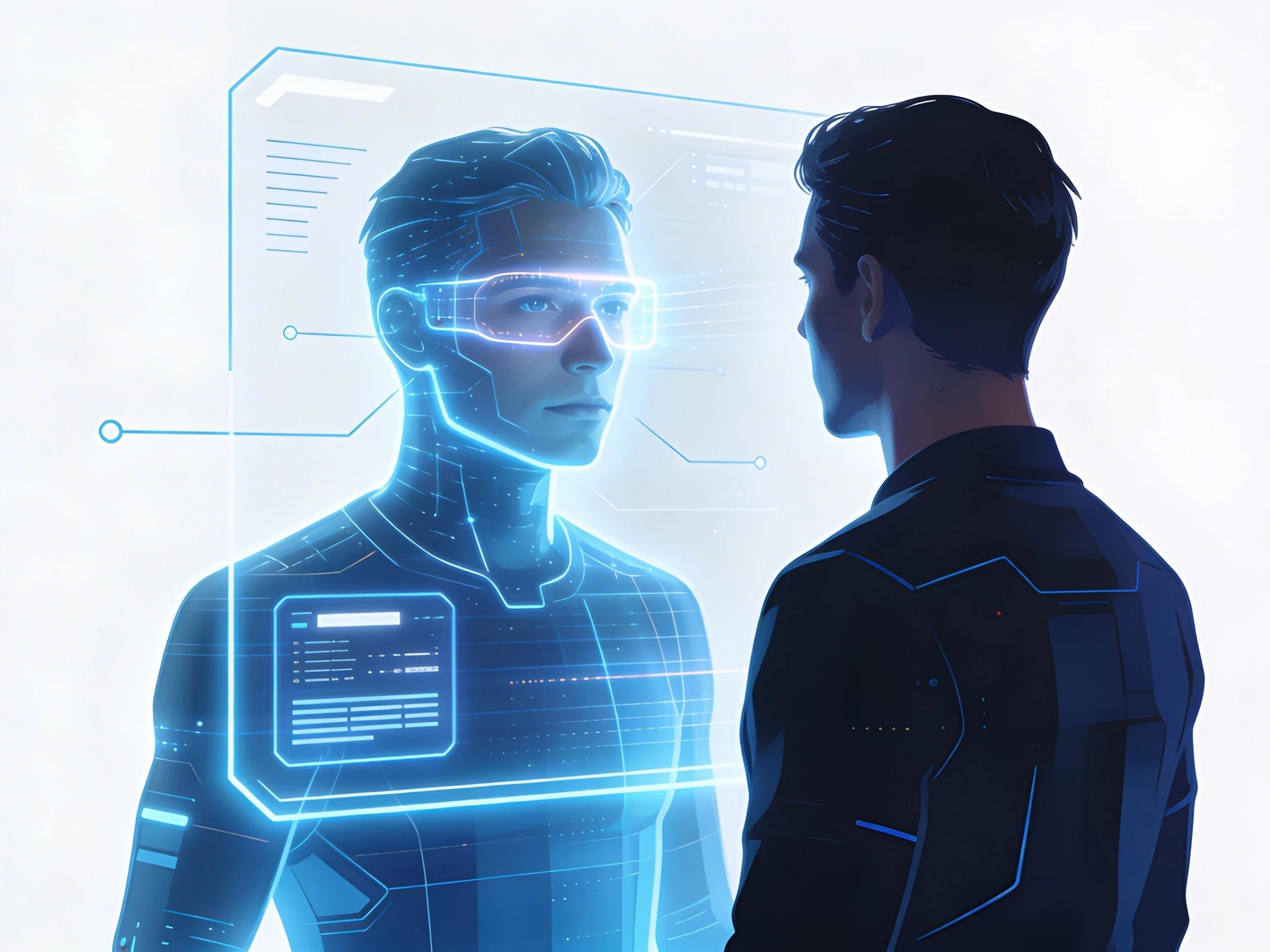
Not long ago, the idea of having a digital version of yourself sounded like science fiction.
Today, it’s quickly becoming a reality.
Across social media, marketing, and entertainment, people are creating AI doppelgängers—digital replicas that look, sound, and sometimes even behave like their real-world counterparts. These AI twins can record videos, promote products, speak multiple languages, and appear online without the creator ever turning on a camera.
From influencers and celebrities to brands and everyday creators, digital twins are becoming one of the most fascinating trends in artificial intelligence.
But what exactly are AI doppelgängers, and why are they suddenly everywhere?
What Is an AI Doppelgänger?
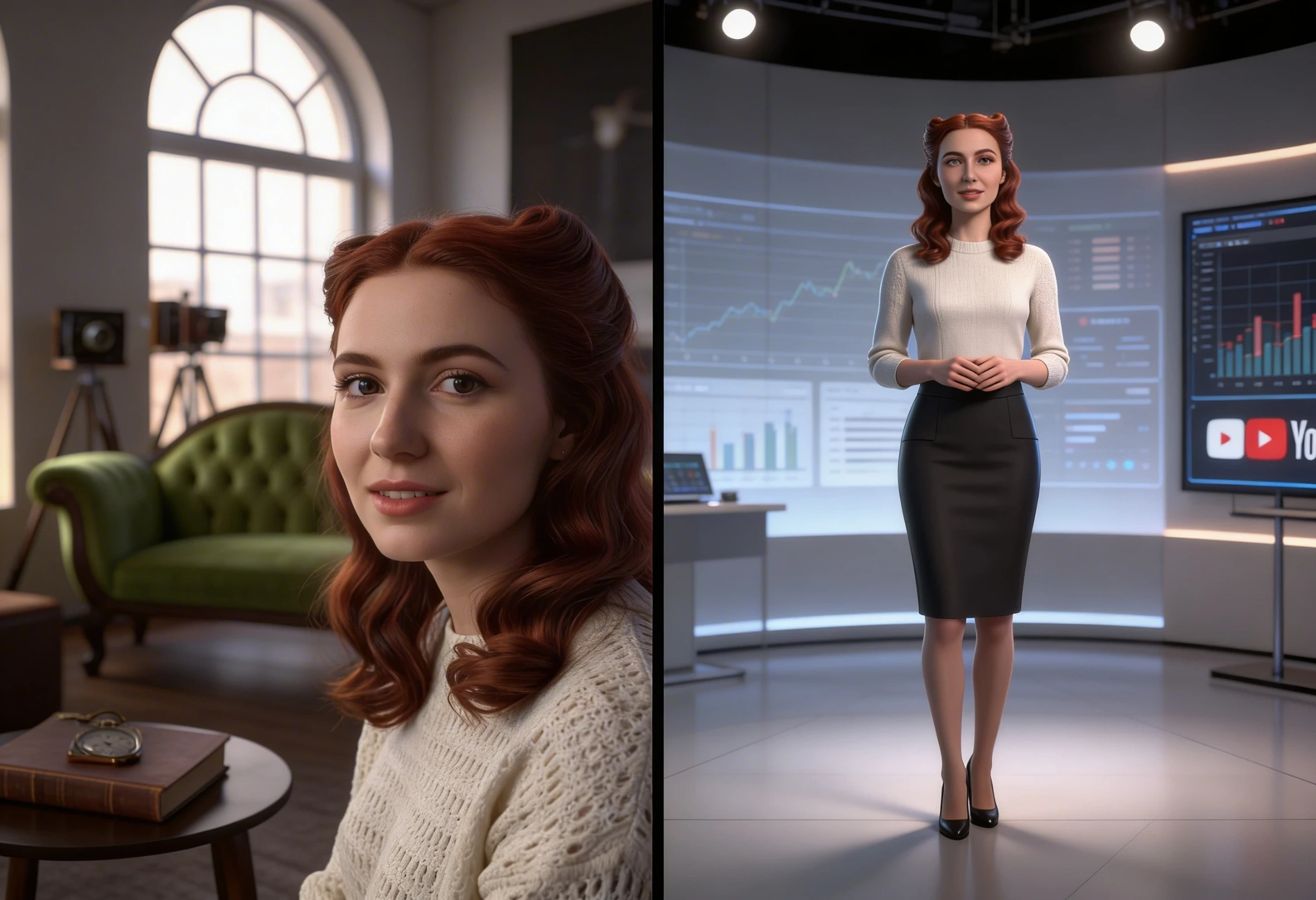
An AI doppelgänger—sometimes called a digital twin—is a virtual replica of a real person created with artificial intelligence. These digital versions can mimic a person’s appearance, voice, and even communication style.
Modern AI systems are capable of reconstructing facial features, generating realistic expressions, and cloning voices from relatively small amounts of training data. In some cases, just a short collection of photos and videos is enough for an AI model to produce a convincing digital identity that can appear in entirely new scenes.
Once the avatar is created, it can generate content that closely resembles the real person, from social media videos to marketing campaigns.
Why AI Digital Twins Are Suddenly Trending
The rise of AI doppelgängers is not random. Several forces are driving this trend.
The Creator Economy Is Scaling
Content creators today are expected to post constantly.
Many influencers publish:
daily short videos
product promotions
tutorials
livestreams
But recording content takes time.
Digital twins solve this problem by allowing creators to generate videos without filming.
In fact, research suggests 85% of creators are open to working with brands using digital twins to expand their content output.
AI Avatars Can Work 24/7
A digital twin doesn’t need:
travel
studio time
lighting
reshoots
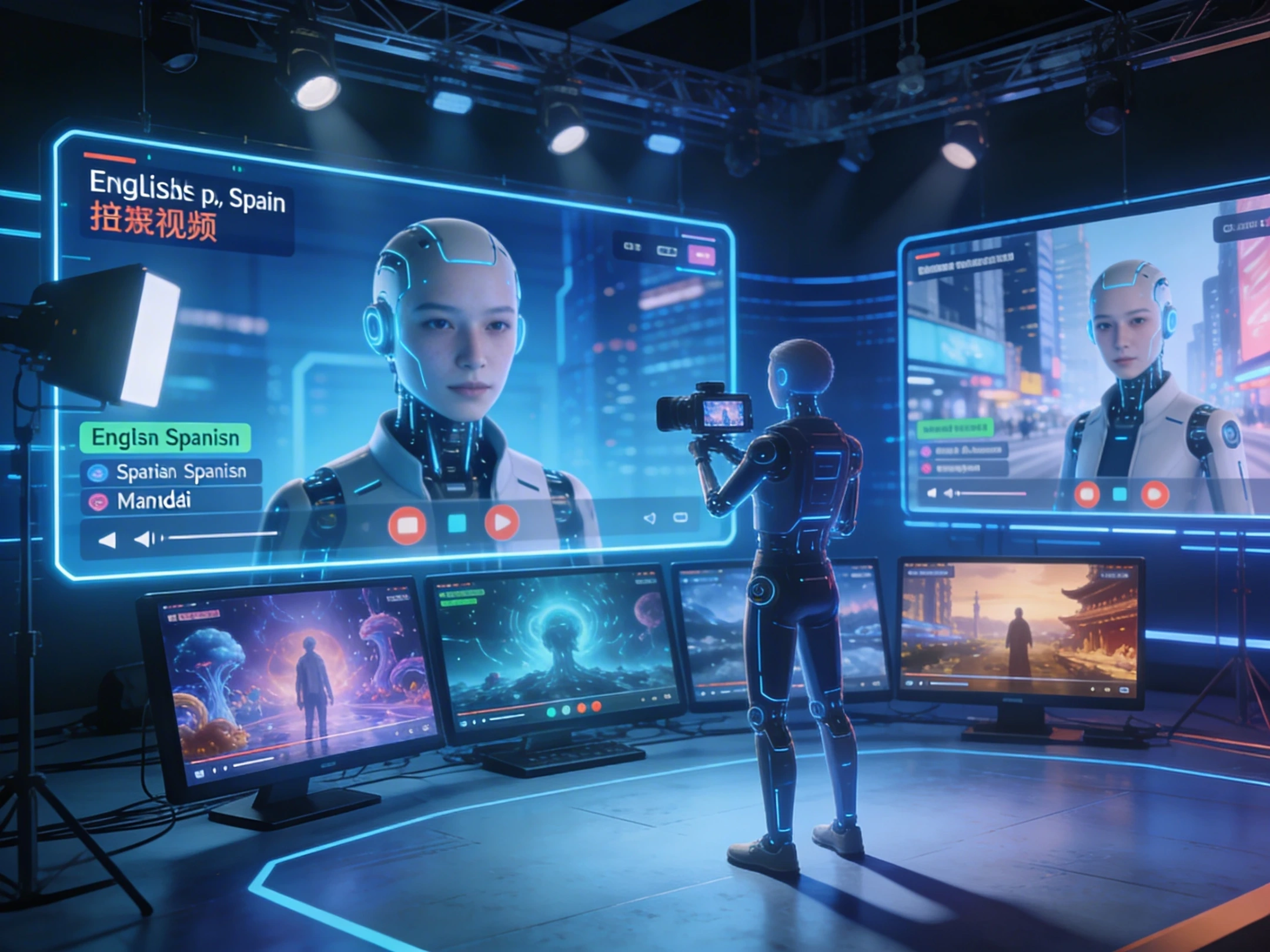
Creators can generate content anytime, in any language.
Some influencers even use AI avatars to keep livestreams running overnight, generating additional revenue while they sleep.
Brands Are Experimenting With AI Models
Fashion brands are also exploring digital twins.
Some companies have started creating AI replicas of real models that can appear in marketing campaigns without requiring physical photoshoots.
These digital stand-ins can wear unlimited outfits, appear in multiple campaigns simultaneously, and dramatically reduce production costs.
However, the trend has also sparked debates about jobs and compensation in creative industries.
The Rise of AI Influencers
Digital twins are closely connected to another trend: AI influencers.
A famous example is Lil Miquela, a virtual character with millions of followers who collaborates with major fashion brands and releases music.
More recently, entirely AI-generated personalities have gone viral on social media. One example is a humorous AI grandmother influencer that gained millions of views on TikTok and Instagram.
These characters blur the line between:
fictional characters
influencers
marketing tools
How AI Doppelgängers Work
Creating a digital twin typically involves three stages: capturing identity data, generating a digital avatar, and producing new content.
The first stage focuses on identity capture. AI systems analyze photos, videos, and sometimes voice recordings to learn a person’s facial structure, expressions, and speaking patterns.
Next comes avatar generation. Using this data, the AI constructs a realistic digital model that can appear consistently across different images or videos. Advanced models are designed to maintain facial stability so the avatar remains recognizable even in new environments.
The final stage is content generation. Once the digital twin exists, creators can produce new media using scripts or prompts, allowing the avatar to appear in advertisements, tutorials, or social media posts without requiring traditional filming.
The Benefits of AI Digital Twins
There are several reasons why creators and companies are excited about this technology.
✔ Scalability
One person can create content across dozens of platforms simultaneously.
✔ Multilingual Content
AI avatars can instantly speak multiple languages.
✔ Cost Reduction
Brands can reduce the cost of:
filming
travel
studio production
✔ Creative Freedom
Creators can place their digital twin in any scenario, including fantasy worlds or historical settings.
The Ethical Questions Around Digital Twins
As the technology becomes more advanced, AI doppelgängers also raise complex ethical questions.
One major concern is identity ownership. When a person’s appearance can be replicated digitally, questions arise about who controls that likeness and how it can be used.
Another issue is the potential for misuse. Digital replicas could be manipulated to impersonate individuals in scams, misinformation campaigns, or social engineering attacks.
Finally, there is the question of authenticity. While AI avatars can be entertaining and useful, many audiences still prefer interacting with real human creators. The balance between convenience and authenticity will likely shape how digital twins evolve in the coming years.
The Future of Digital Identity
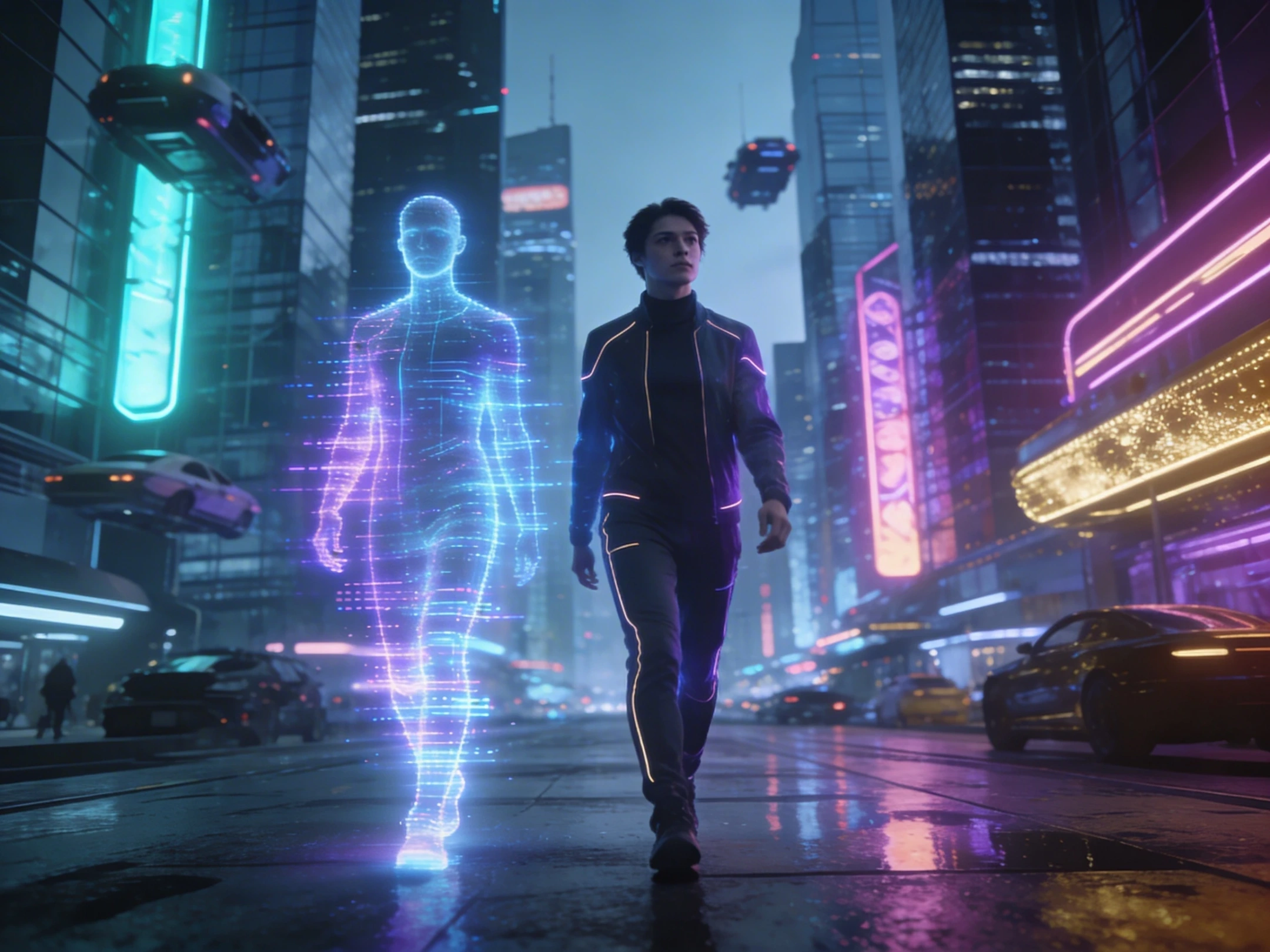
The rise of AI doppelgängers suggests something bigger is happening: the internet is entering an era where digital identity can exist independently of the physical person.
In the future, your digital twin could potentially:
attend meetings for you
answer messages
create content
represent you online
For creators, this could mean scaling their presence beyond what was previously possible.
For society, it raises deeper questions about identity, authenticity, and trust in the digital age.
One thing is clear: the line between real people and their AI counterparts is becoming thinner every year.