Creator Spotlight: Deconstructing the "Whimsical Storybook" Aesthetic
While many users utilize AI image generators to simply combine random elements, standout creators use them to build consistent, narrative-driven worlds.
This week, we are looking at the portfolio of Lillymausi, a creator on PicLumen who has established a highly recognizable visual language. From a squirrel sipping morning tea on a treehouse balcony to a determined rabbit hitting the gym, their work perfectly encapsulates what we call the "Whimsical Storybook" aesthetic.
By deconstructing the structural elements of this creator's work, we can learn how to apply their storytelling logic to our own workflows—and more importantly, how to evolve these foundational concepts into advanced, hyper-realistic creations.
The 3 Pillars of Narrative AI Art
What makes this creator's portfolio so engaging? It relies on a disciplined approach to three visual anchors:
1. Anthropomorphic Contrast: The creator doesn't just generate animals; they place them in relatable human routines. A rabbit isn't simply sitting in a field—it is wearing a raincoat jumping in puddles, or patiently washing clothes in a wooden tub. This immediately establishes a narrative hook.
2. Strategic Illumination: Notice the lighting on the koala resting on the mushroom, or the knight in the forest. The creator consistently uses bioluminescence, volumetric lighting (god rays), and golden-hour soft focus to add depth and mood to the composition.
3. Expressive Subjects: The subjects in these images maintain distinct micro-expressions—whether it’s a confident smirk on a red panda or the curious gaze of a child. This attention to emotional detail builds instant empathy with the viewer.
The Base Recipe: Setting the Scene
Lillymausi frequently utilizes models like Primo and Midjourney to achieve a rich, 2.5D illustrative and painterly texture.
The core prompt structure for this style generally follows this formula:
[Subject: e.g., A fluffy red panda]
+ [Human Action/Outfit: wearing a vintage denim jacket, holding a bouquet]
+ [Environment: in a hazy bamboo forest]
+ [Lighting & Style Keywords: whimsical storybook illustration, soft lighting, warm color grading, highly detailed].
Advanced Creation: Evolving the Style with Nano Banana 2
Mastering the illustrative style is a great starting point, but the current landscape of AI creation is moving rapidly toward high-fidelity realism. How do we take a solid storybook concept and push it to the next level?
By applying the creator's excellent compositional rules to PicLumen’s Nano Banana 2, you can transform a 2.5D illustration into a striking, photographic piece of art. This creates a fascinating sub-genre: Photorealistic Whimsy.
Let's take the "Weightlifting rabbit" concept and advance it using Nano Banana 2:
Advanced Realism Prompt: A hyper-realistic macro photograph of a tiny field rabbit wearing a miniature red sweatband, intensely lifting a tiny rusted iron barbell on a backyard lawn gym. Thick grass blades towering like trees, scattered clover leaves and dew drops, dramatic morning sunlight, cinematic macro lighting, ultra-detailed fur texture, shallow depth of field.
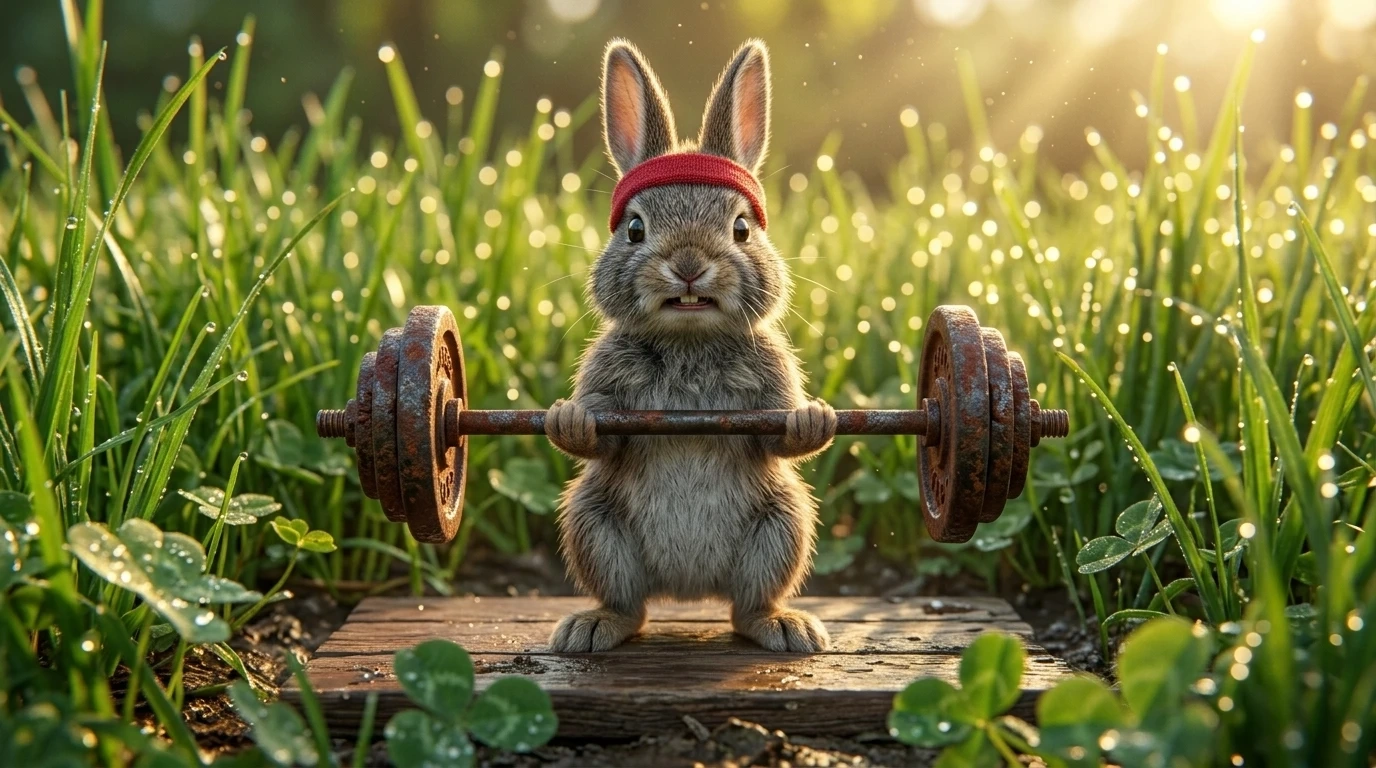
This advanced approach retains the original narrative but upgrades the visual impact through sheer photorealism.
👉 [Take your concepts to the next level with Nano Banana 2]
The Final Step: Cinematic Motion with Kling 3.0
For creators looking to truly maximize their engagement, static images are no longer the finish line. Once you have generated a highly detailed character—whether in the original illustrative style or the advanced photorealistic style—the next logical step is motion.
By bringing your generated image into Kling 3.0, you can use the Motion Brush tool to add subtle, breathing life to the scene. Animate the squirrel taking a sip of tea, or make the bioluminescent mushroom pulse with light. Evolving from image generation to video generation turns a great picture into a captivating short story.