AI-generated content used to be mostly experimental.
People generated anime portraits, surreal landscapes, or funny short videos just to see what the technology could do. But over the past year, something has started to change.
More creators and brands are no longer using AI only for entertainment — they are using it to produce actual advertising content.
Instead of renting studios, hiring actors, or spending weeks producing visuals, teams can now generate ad creatives in hours. This doesn’t mean AI replaces everything. But it does mean the cost and speed of testing ideas has changed dramatically.
From scrolling through social media and creative forums recently, a few clear patterns have started to appear. Some AI ad styles are getting significantly more engagement than others.
Here are five AI advertising formats that creators and brands are actively experimenting with in 2026.
AI UGC-Style Ads
 |  |  |
|---|
One of the most effective advertising formats today doesn’t look like advertising at all.
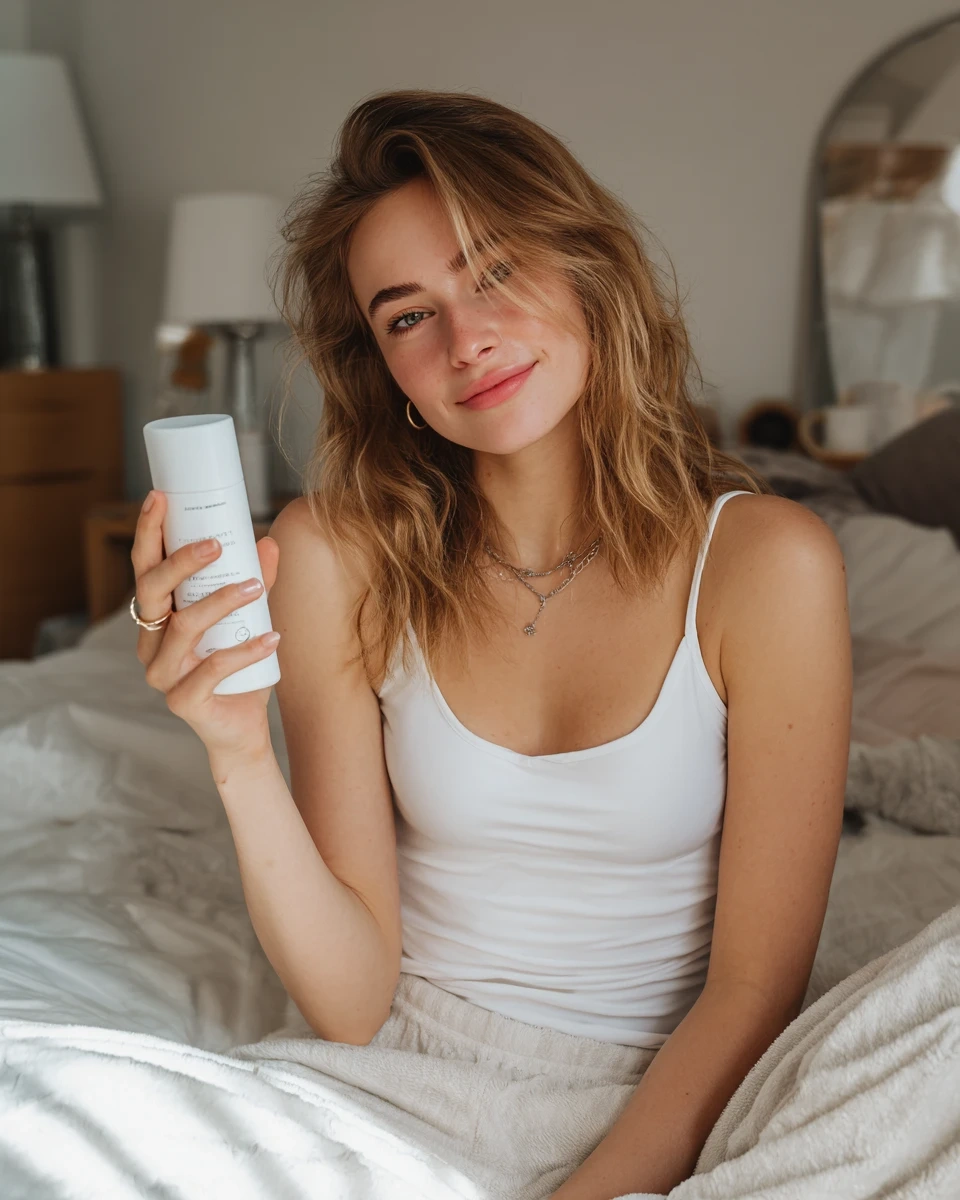
UGC (User Generated Content) style ads simulate the feeling of real user recommendations. Instead of polished commercial footage, these ads feel casual, personal, and authentic.
AI now makes it possible to generate UGC-style visuals or short clips at scale. Creators can simulate people holding products, reacting to products, or casually demonstrating how something works.
The reason this works is simple: audiences are used to seeing these types of videos in social feeds.
When an ad blends into that format, people are more likely to watch.
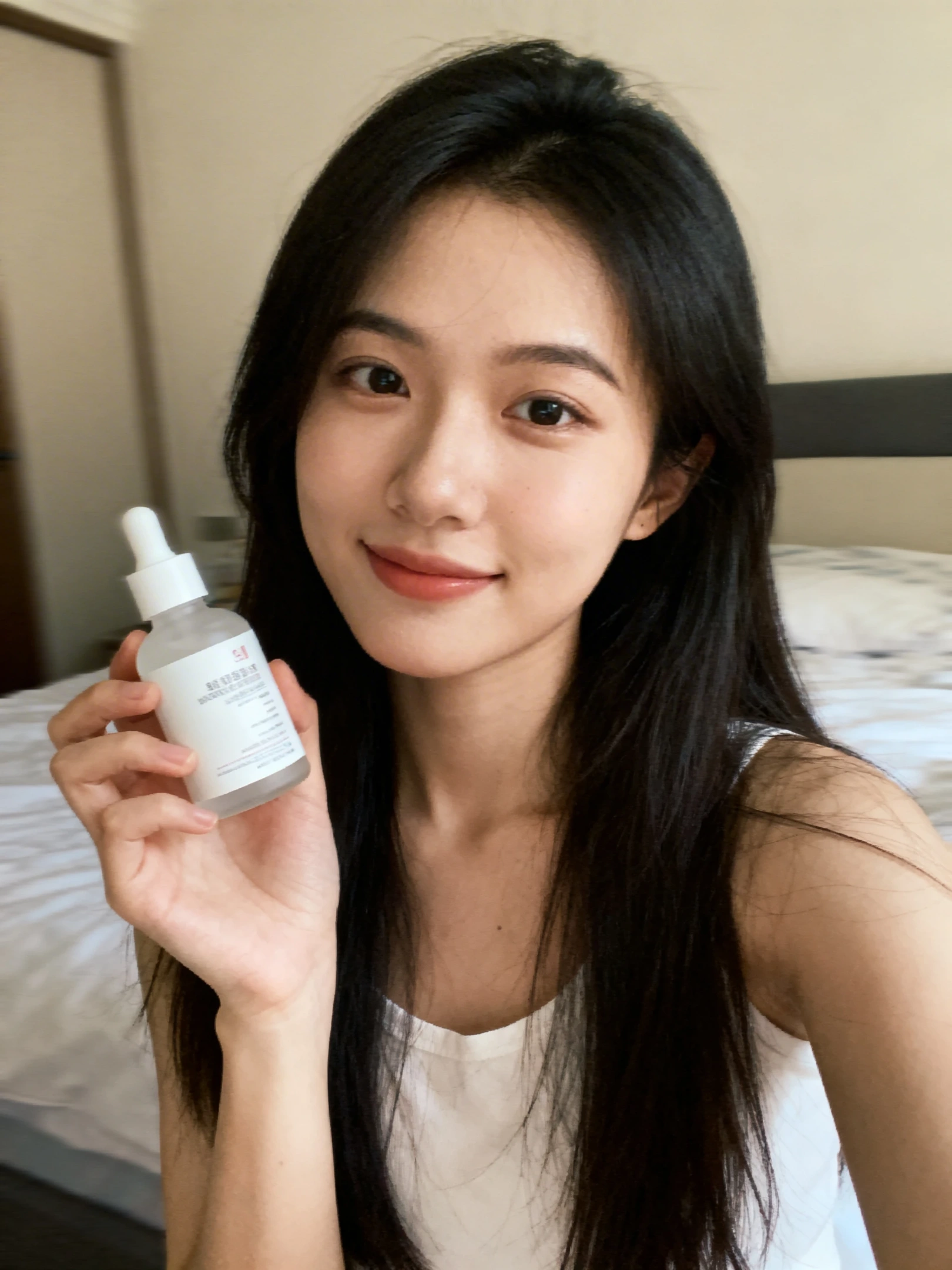
Image concept
A casual smartphone selfie video style scene showing a person holding a skincare product in their bedroom.
Image prompt
realistic selfie style photo, young woman holding a skincare bottle, bedroom background, natural lighting, casual social media aesthetic, slightly imperfect framing, smartphone camera look
Impossible Product Demonstrations

AI is particularly good at generating visuals that would be extremely difficult or expensive to film in real life.
Think of exaggerated product demonstrations:
a sneaker running across clouds
a drink exploding into colorful liquid motion
a laptop transforming into a futuristic interface
These visuals immediately grab attention because they break normal expectations.
In advertising, stopping the scroll is half the battle, and surreal visual demonstrations do that very effectively.
Image concept
A sneaker running across floating clouds with dynamic motion.
Image prompt
cinematic advertising image, futuristic running shoe sprinting across floating clouds, dramatic lighting, dynamic motion blur, high contrast, vibrant sky, surreal product advertisement style
AI Presenter Ads (Virtual Human Hosts)

Another AI advertising format gaining traction is the use of AI-generated presenters.
Instead of relying on real actors or influencers, some creators are now generating consistent virtual hosts who appear across multiple pieces of content. These AI presenters function much like traditional video narrators — explaining products, sharing insights, or guiding viewers through a story.
You may have already seen this format in areas like:
business and finance content
tech explainers
educational marketing videos
brand storytelling
The advantage is consistency. Once a brand establishes a recognizable AI presenter, that same character can appear in many videos while maintaining the same visual identity.
For creators running content-heavy channels — such as economics commentary, startup analysis, or AI industry news — this approach can dramatically speed up production. Instead of filming every video, they generate a presenter image once and reuse it across different formats.
When combined with AI voice or motion tools, the result can look surprisingly close to a real studio production.
In other words, the AI presenter becomes a digital spokesperson for the brand or channel.
Image Prompt
realistic tech and finance YouTube host, young professional man explaining market trends, modern studio with digital graphs and stock market screens, confident posture, professional lighting, ultra realistic portrait
Hyper-Exaggerated Visual Hooks

Short-form video platforms have changed how ads are structured.
The first two seconds of a video often determine whether someone keeps watching. Because of that, many AI ads focus heavily on dramatic opening visuals.
Creators generate exaggerated hooks such as:
a product falling from space
an object expanding to massive scale
liquids transforming into abstract shapes
These visuals may only appear for a moment, but they are extremely effective at capturing attention.
AI makes it easy to generate multiple versions of these hooks quickly, allowing creators to test which visual concept performs best.
Image concept
A giant cosmetic bottle crashing into a desert landscape like a meteor.
Image prompt
dramatic cinematic scene, giant cosmetic bottle crashing into desert like a meteor, massive dust impact, epic lighting, hyper exaggerated advertising visual, high detail
Rapid Ad Creative Testing
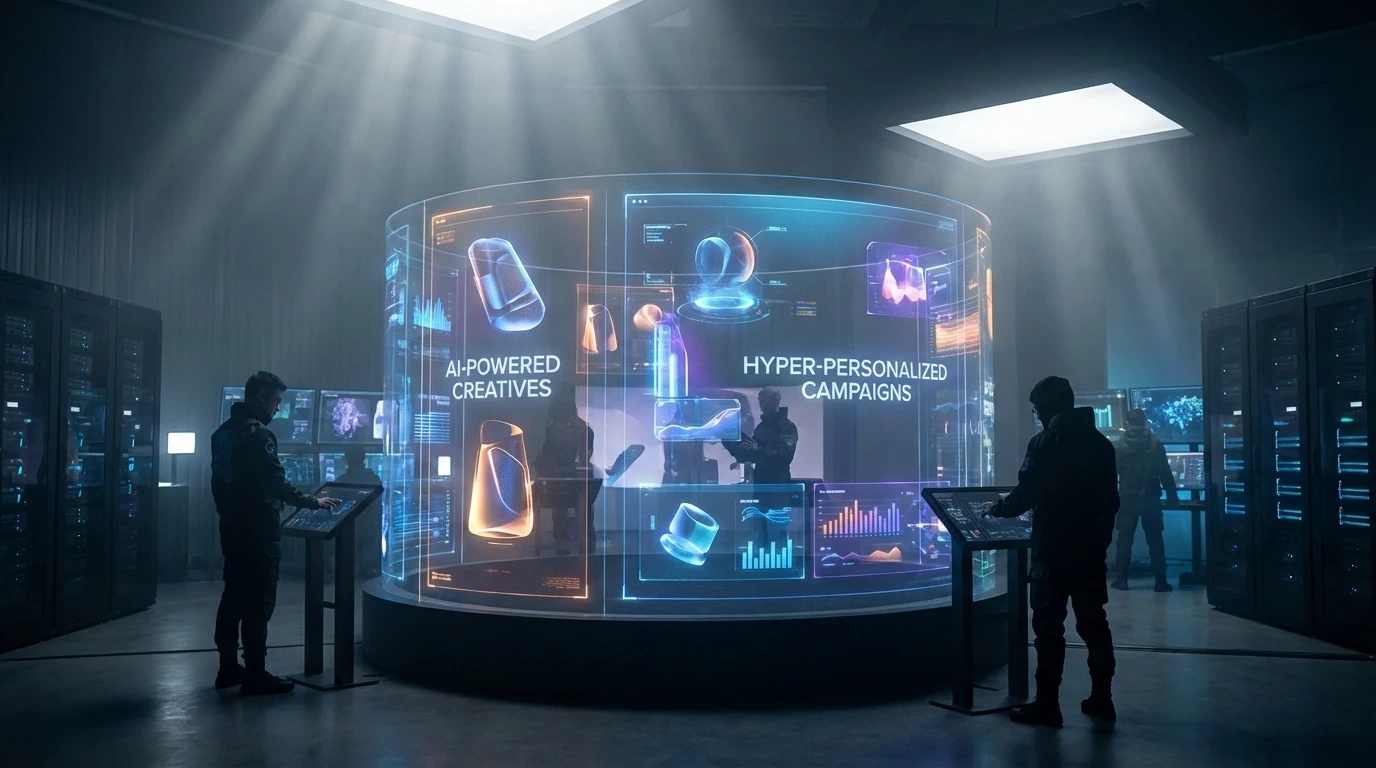
Perhaps the most important shift isn’t a specific visual style — it’s how fast creatives can now be produced.
Before AI tools became widely accessible, producing multiple ad concepts required significant time and budget. Now creators can generate dozens of visual directions in a single afternoon.
For marketers, this means testing becomes the real advantage.
Instead of asking “What is the perfect ad?” the new approach is:
“How many ideas can we test this week?”
AI-generated visuals allow teams to quickly experiment with different hooks, scenes, and visual styles.
Some of those experiments will fail. But the few that succeed can drive significant engagement.
Where Tools Like PicLumen Fit Into This
While many creators experiment with standalone AI models, platforms that combine image and video generation tools make this workflow much easier.
For example, some platforms provide ready-made creative templates for social content, including formats like:
outfit transformation clips
short social-friendly video loops
visual try-on for photos
These templates can help creators quickly produce playful content while still experimenting with original AI-generated visuals for more customized advertising ideas.
In practice, many creators combine both approaches: templates for quick social content and AI models for more experimental ad visuals.
Final Thoughts
AI advertising is still evolving, and not every AI-generated ad will perform well.
But one thing is becoming clear: AI is rapidly lowering the barrier to producing creative experiments.
Instead of committing to a single expensive campaign, creators and marketers can now test many ideas quickly, learn what audiences respond to, and iterate faster than before.
And sometimes, the most unexpected concepts — whether it’s a surreal product scene or a dancing mascot — end up becoming the most memorable ones.
So if you were experimenting with AI ads today, what would you test first?