載入中...

Anderson Leite
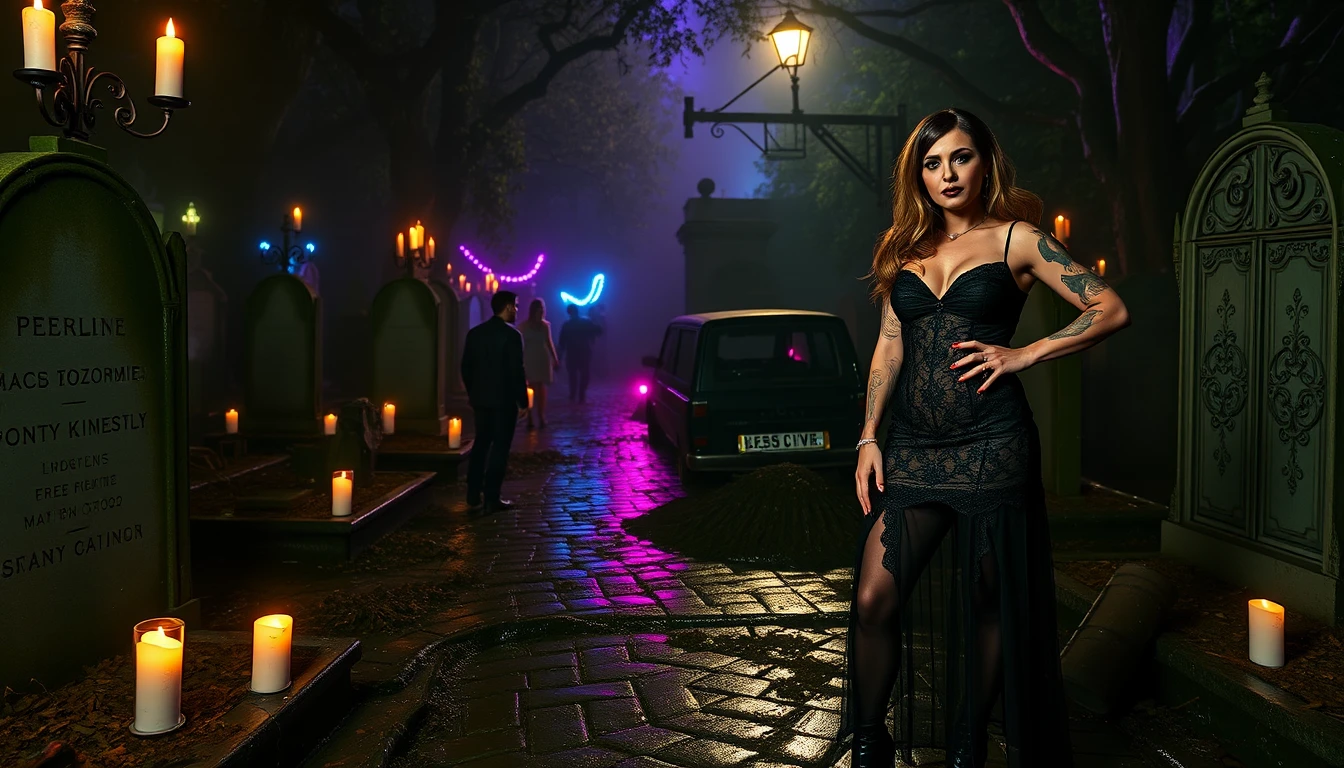
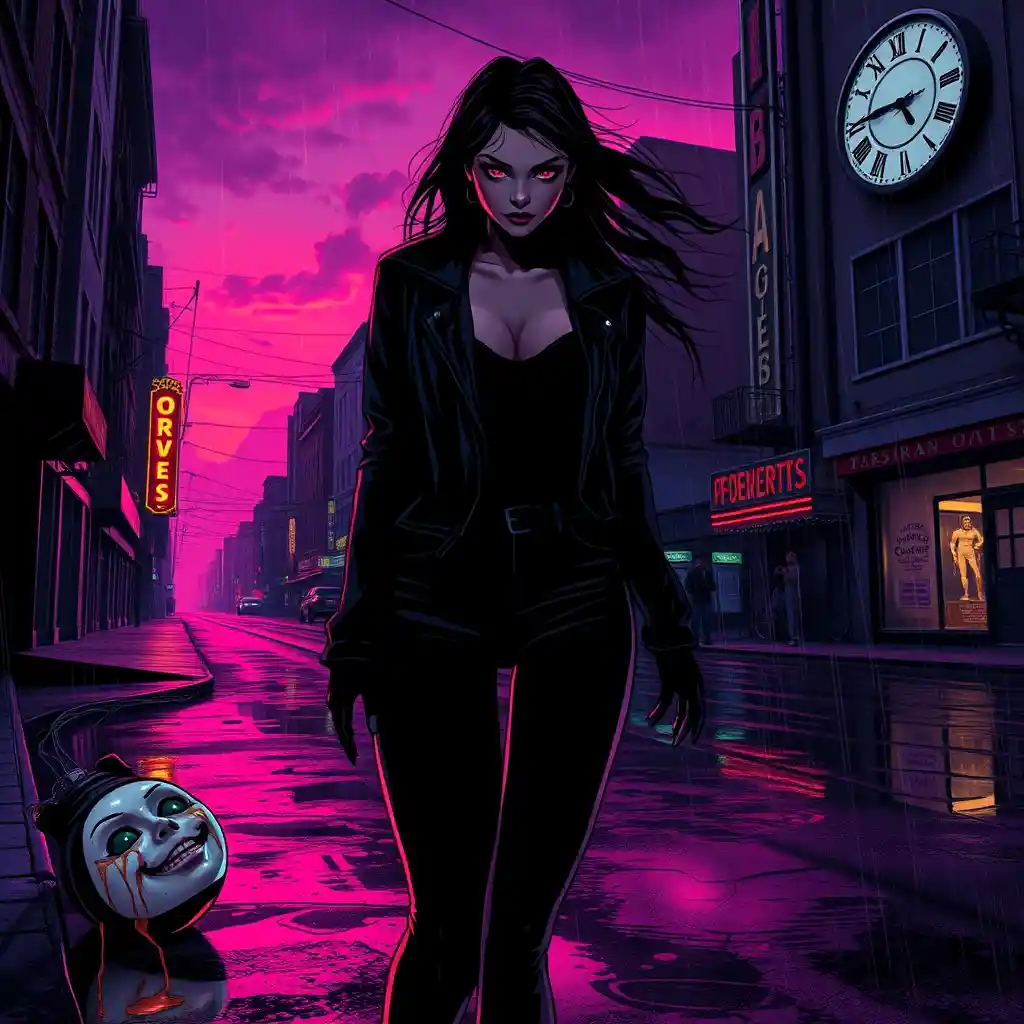
濕漉超現實城市街道上獨自佇立的女子
提示詞
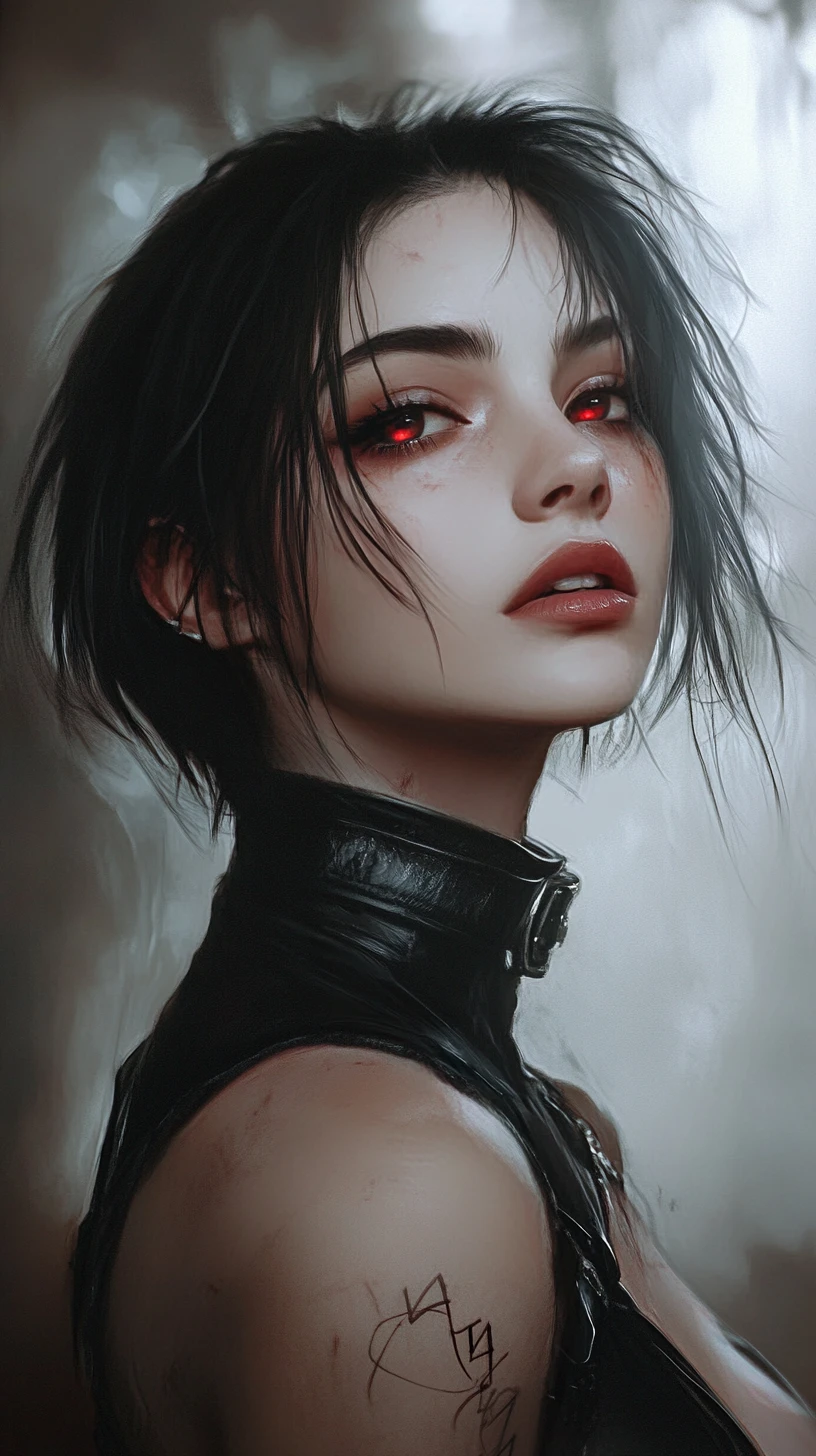
A lone woman, Paige Owens, stands at the precipice of an endless, rain-slicked city street as dusk bleeds into a bruised, violet night. The scene is a hyper-detailed, 8K Popsurrealism masterpiece, blending the bold, graphic lines of underground comics with the chilling atmosphere of horror macabre.
Her silhouette is both defiant and sensual, a stark contrast against the decaying architecture and distorted, looming shadows that twist like living nightmares. Her eyes glint with a feral intelligence, mirroring the first neon lights flickering to life. Every pore of her skin, every strand of wind-blown hair, and the intricate texture of her clothing are rendered with obsessive, photorealistic precision.
Around her, the world seems to thrum with a dangerous, electric energy— a discarded marionette with a fractured porcelain face lies at her feet, its painted smile a mockery of her own. In the distance, a clock face with melting numerals drips into a puddle that reflects a sky that isn't there. The air is thick with a tangible sense of "There's Always One" – the one who dared to stay, the one who will face the unspeakable. She is the final girl, but not of a slasher; she is the heroine of a decadent, gothic romance with the abyss.
The composition is a masterclass in chiaroscuro, with dramatic, moody lighting carving her form against the oppressive gloom. The color palette is a symphony of deep, seductive crimsons, corrupted violets, and the sickly, phosphorescent green of a forgotten apothecary. The piece exudes a visceral, almost tangible sensuality, blurring the line between victim and victor, between the sacred and the profane. It is a narrative frozen in a single, breathtaking moment, inviting the viewer to step into the frame and let the night set them free.
Model
Flux-Schneell
Date created
08/02/26 at 8:59 AM
Seed
6160943127
Guidance Scale
5
Resolution
1024 x 1024 (1:1)
Related images