載入中...

Anderson Leite
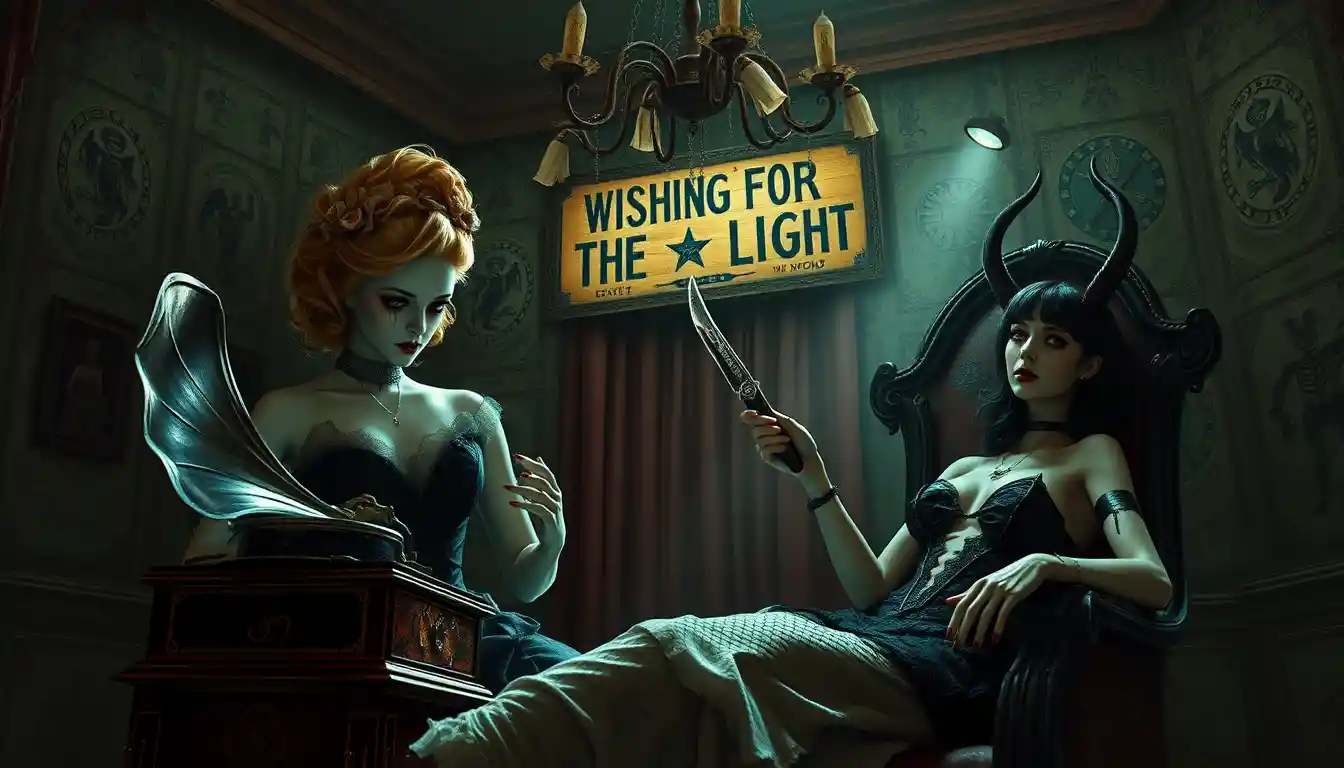
破損留聲機上破舊蕾絲中的瓷娃娃模特
提示詞
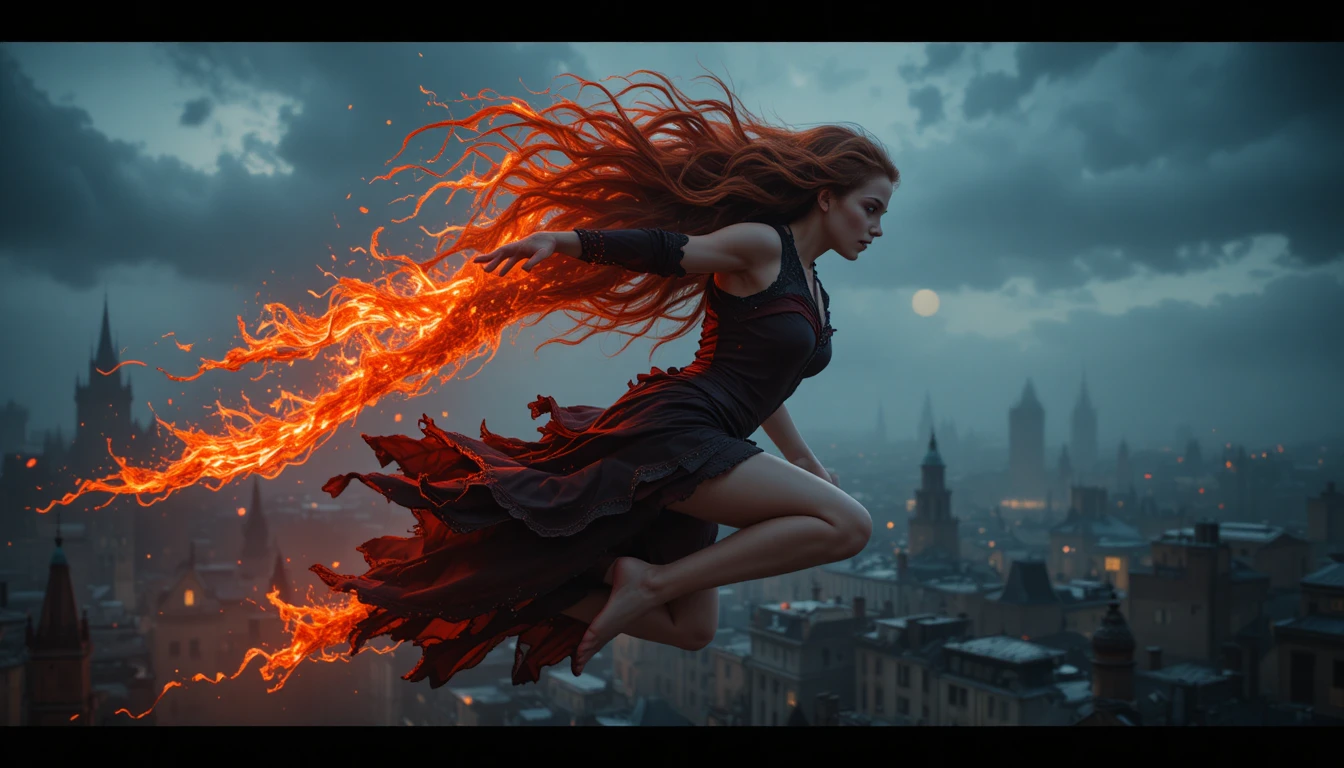
In the suffocating gloom of a forgotten backstreet theater, where reality curdles into fever dream, the air is thick with the scent of burnt velvet and decayed secrets. Sophie Gem, a porcelain mannequin with fractured, kaleidoscopic eyes, is draped in tattered mourning lace, her fingers bleeding black ink as she claws at the hollow base of a broken gramophone. Beside her, Katja Kassin, a voluptuous succubus with a Cheshire smile stitched too wide, lounges on a throne of rusted gears and wilted lilies, lazily twirling a switchblade that weeps silver tears. Above them, a dying chandelier flickers with the last desperate light of a hundred trapped fireflies, casting their grotesque silhouettes across walls papered with cryptic, tarot-like symbols. A single, monumental spotlight—its beam a sickly jaundice—slices through the dust, illuminating a sign that reads “WISHING FOR THE LAST LIGHT” in crooked, dripping letters. The scene is a paradox: tragic, yet darkly hilarious; treacherous, yet eerily intimate. Every shadow and highlight is rendered with hyperrealistic, 8K cinematic precision, blending the gothic pop-surrealism of Mark Ryden with the visceral, ink-stained edges of a Wayne Barlowe fever sketch. The women’s expressions are a duel—Sophie’s haunted vulnerability against Katja’s predatory wit—while a chorus of skeletal marionettes dangles from the ceiling, their strings tangled in a joke only they understand. The result is a macabre, comedic masterpiece: a fusion of high sensuality, grotesque beauty, and premium, gallery-grade craftsmanship.
Model
Flux-Schneell
Date created
08/31/26 at 9:58 AM
Seed
3843275523
Guidance Scale
5
Resolution
1344 x 768 (16:9)
Related images