読み込み中...
RYUGA Onyx
シンプルな手工具で精巧な粘土フィギュアを造形するアーティスト
プロンプト
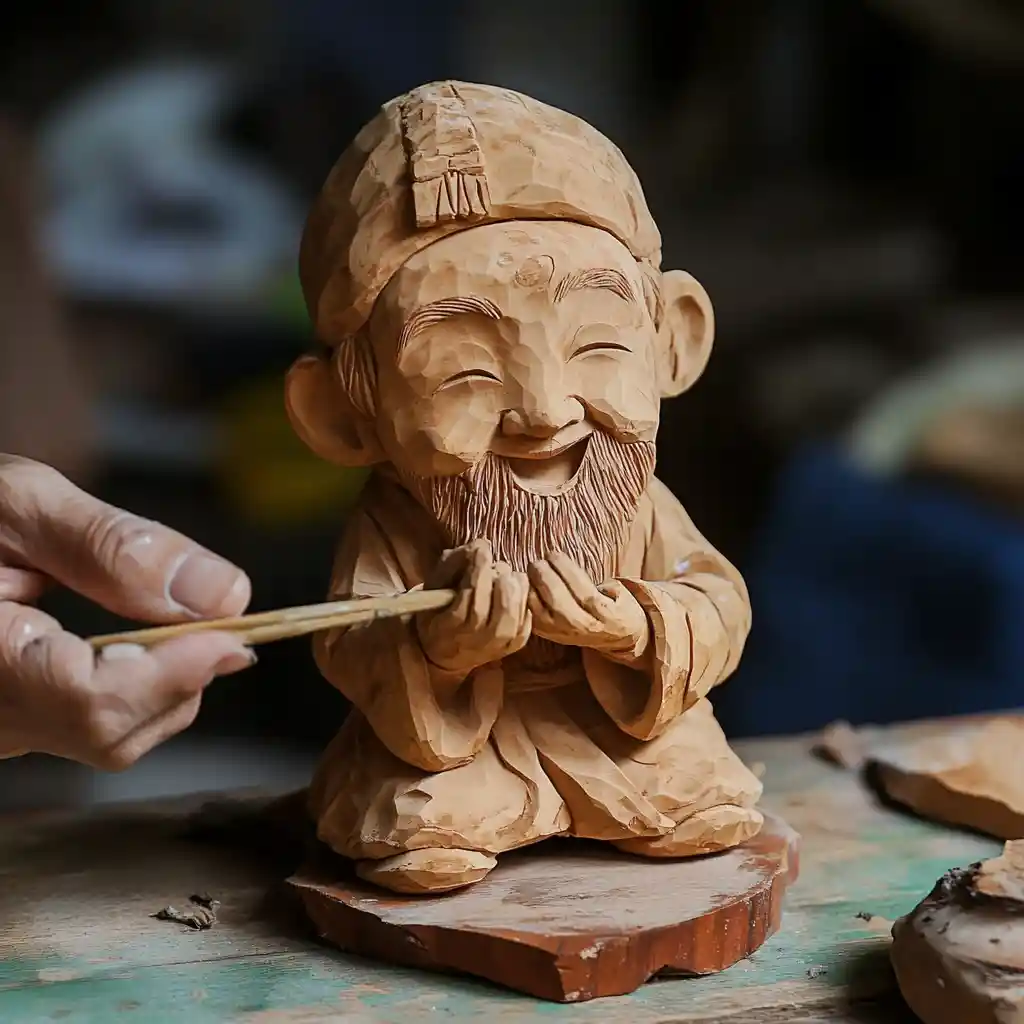
According to the predetermined shape, artists use their fingers and simple tools such as bamboo splints or small knives to shape the dough gradually, accurately depicting the details of the character's facial expression, clothing, posture, etc. This process may seem simple, but it actually requires years of experience and mastery of skills. The production of clay figurines not only tests handcraft skills but also requires a deep understanding of color matching and composition to achieve a harmonious and visually appealing effect.
Clay figurines typically have rich themes, ranging from traditional Chinese mythological characters, such as Monkey King and Nezha, to classic roles, to everyday life figures, such as farmers, soldiers, dancers, etc. With the development of times, modern clay figurine creation also incorporates more innovative elements, such as cartoon characters, celebrity images, and even customized unique shapes, making clay figurines closer to modern people's aesthetics and needs.
The cultural significance of clay figurines lies in the fact that they not only showcase the exquisite techniques of traditional Chinese handcrafts but also convey ancient folk stories and cultural values. As a folk art, it carries rich historical memories and continually seeks new vitality in the flow of modernization. Today, clay figurines not only appear in tourist attractions and traditional markets across China but also gradually enter the international stage, becoming an important symbol of Chinese culture.
In addition, clay figurines are often used as gifts, symbolizing good fortune, blessings, and goodness. In some celebrations, people will purchase or customize specific images of clay figurines as mementos or symbols of wishes, adding to the festive atmosphere.
Model
Primo
Date created
10/15/25 at 10:53 AM
Seed
3808372405
Resolution
1024 x 1024 (1:1)
Related images