로딩 중...

Елена
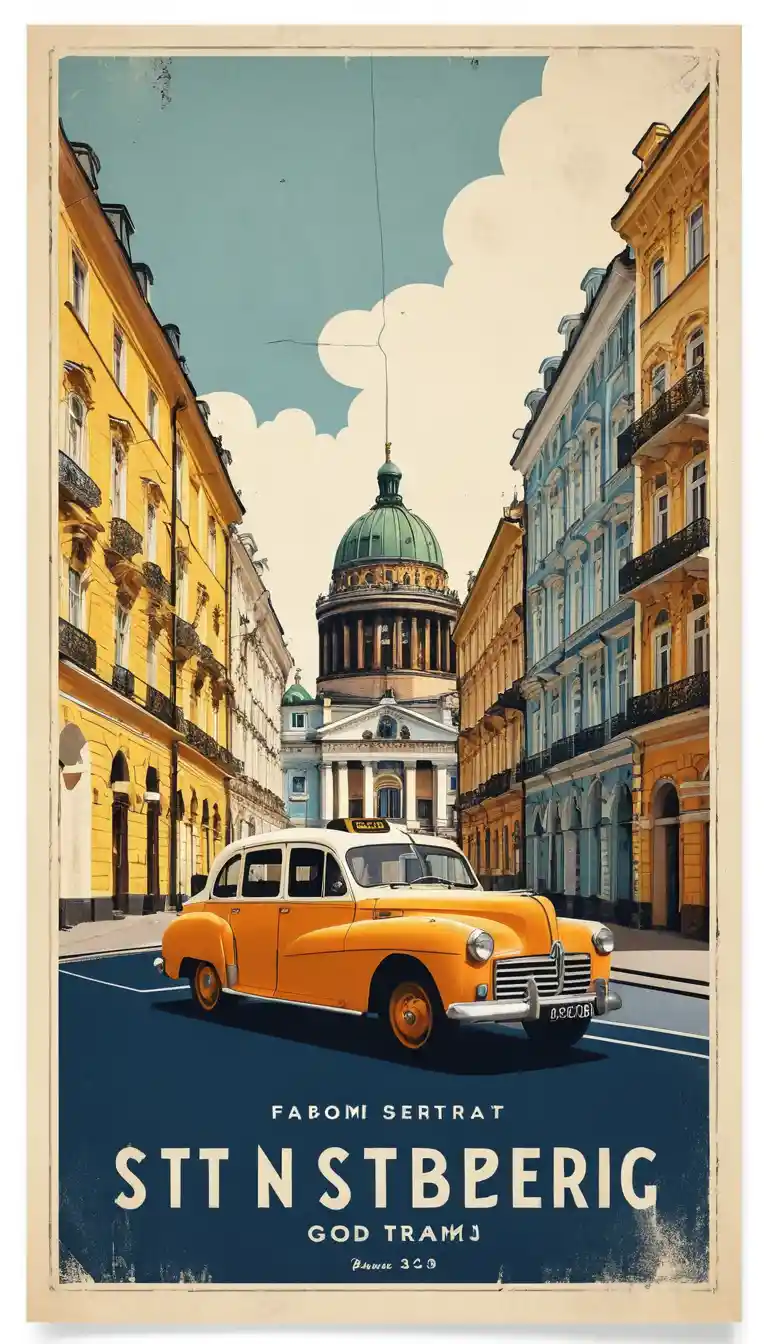
러시아 상트페테르부르크 빈티지 콜라주 여행 포스터
프롬프트
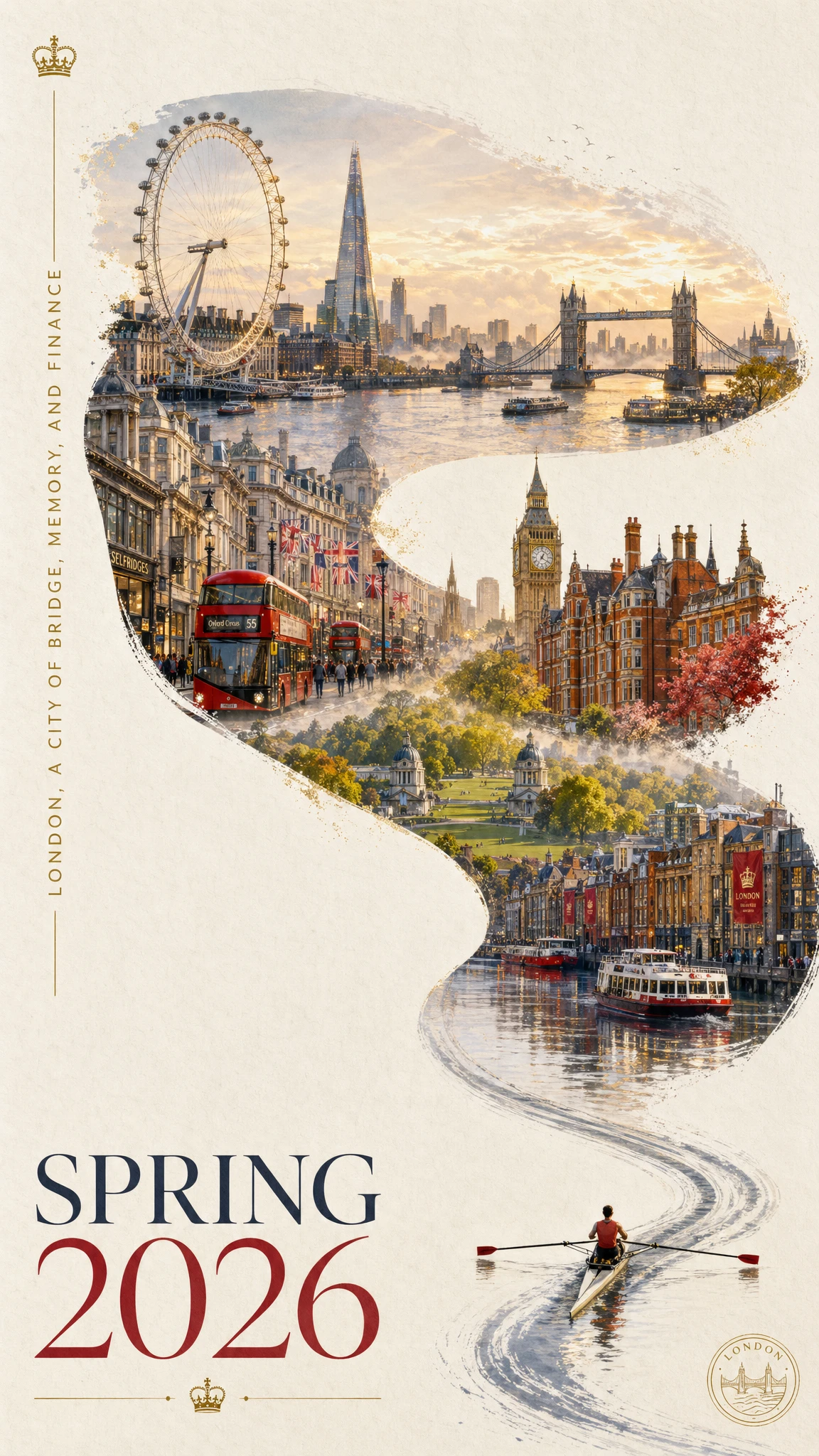
Create a premium vintage photo poster for St. Petersburg, Russia, using an artistic collage/layered postcard composition rather than a traditional cityscape poster. The core creative concept: Create a large, recognizable silhouette or profile from a reference image as the central visual frame. Within and around this silhouette, seamlessly integrate multiple scenes from the destination—iconic architecture, streets, bridges, landscapes, local transportation, people, and atmospheric elements—creating the feeling that the entire city exists within a single artistic composition. The central landmark should partially dissolve into the surrounding urban imagery, using layered photo illustrations, torn paper edges, subtle double exposure, inky textures, and vintage printing effects. Add a few small graphic elements around the main composition: a vintage postage stamp indicating the destination, a worn passport/tourist stamp, an old luggage tag, a small fragment of a map of the destination, a street sign, a small detail of local transport, discreet handwritten or typed notes. Add one striking foreground element representing the city, such as a taxi, vintage bus, bicycle, boat, tram, tuk-tuk, or local transport. Typography: At the top, use large, elegant capital letters: Saint Petersburg. At the bottom: Russia. Add a small, classic travel slogan: In St. Petersburg - Drink. Use a bold, vintage sans-serif font with generous letter spacing. Visual Style: Sophisticated travel advertising from the 1940s–1960s, vintage European poster design, collage, screen printing, distressed paper, faded ink, subtle grain, loose registration, layered textures, elegant negative space, cinematic atmosphere, artistic realism. Color Palette: Warm ivory, navy blue, muted blue, burnt orange, terracotta, faded beige, charcoal black, and subtle golden yellow accents. Colors should be subtly muted and harmonious. Create a thin frame of distressed paper around the poster. The composition should evoke the feeling of a rare, collectible vintage travel poster found in an old train station—artistic and premium, not generic. Highly detailed, sophisticated graphic design, clear visual hierarchy, nostalgic, cinematic, without modern 3D rendering.
부정 프롬프트
NSFW, watermark
Model
PicLumen Realistic V2
Date created
08/18/26 at 2:58 PM
Seed
5292142420
Guidance Scale
4.5
Resolution
768 x 1344 (9:16)
Related images