로딩 중...
Ashuka
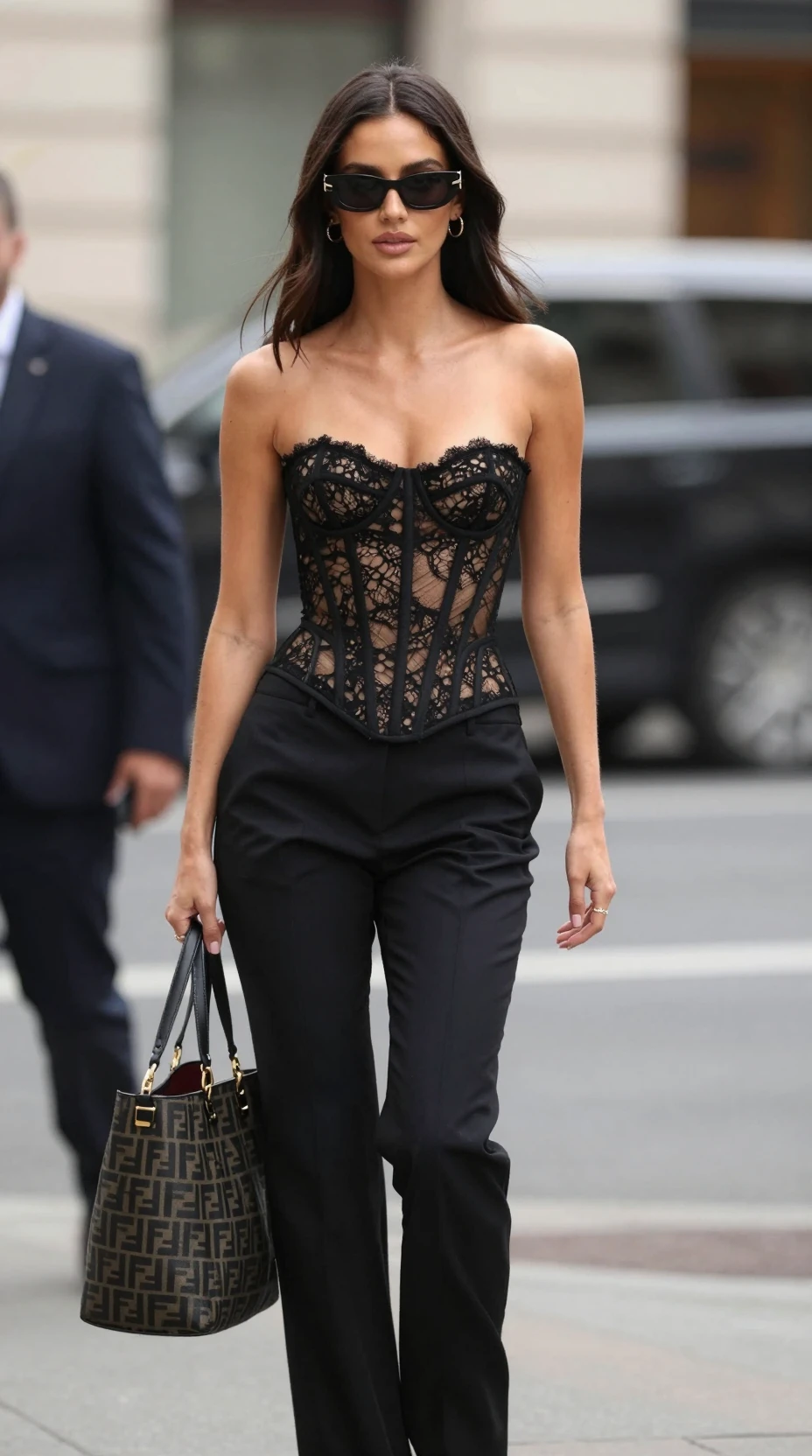
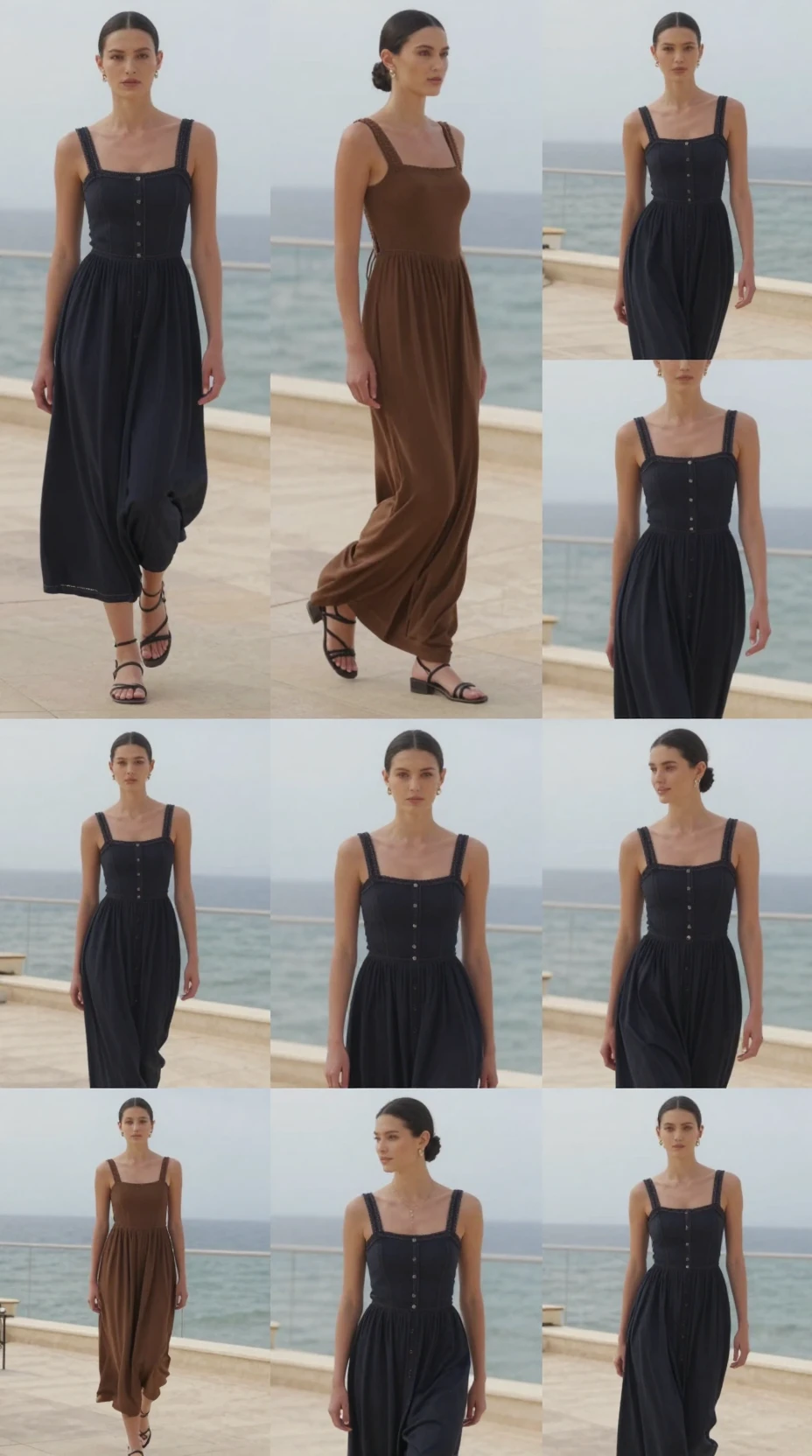
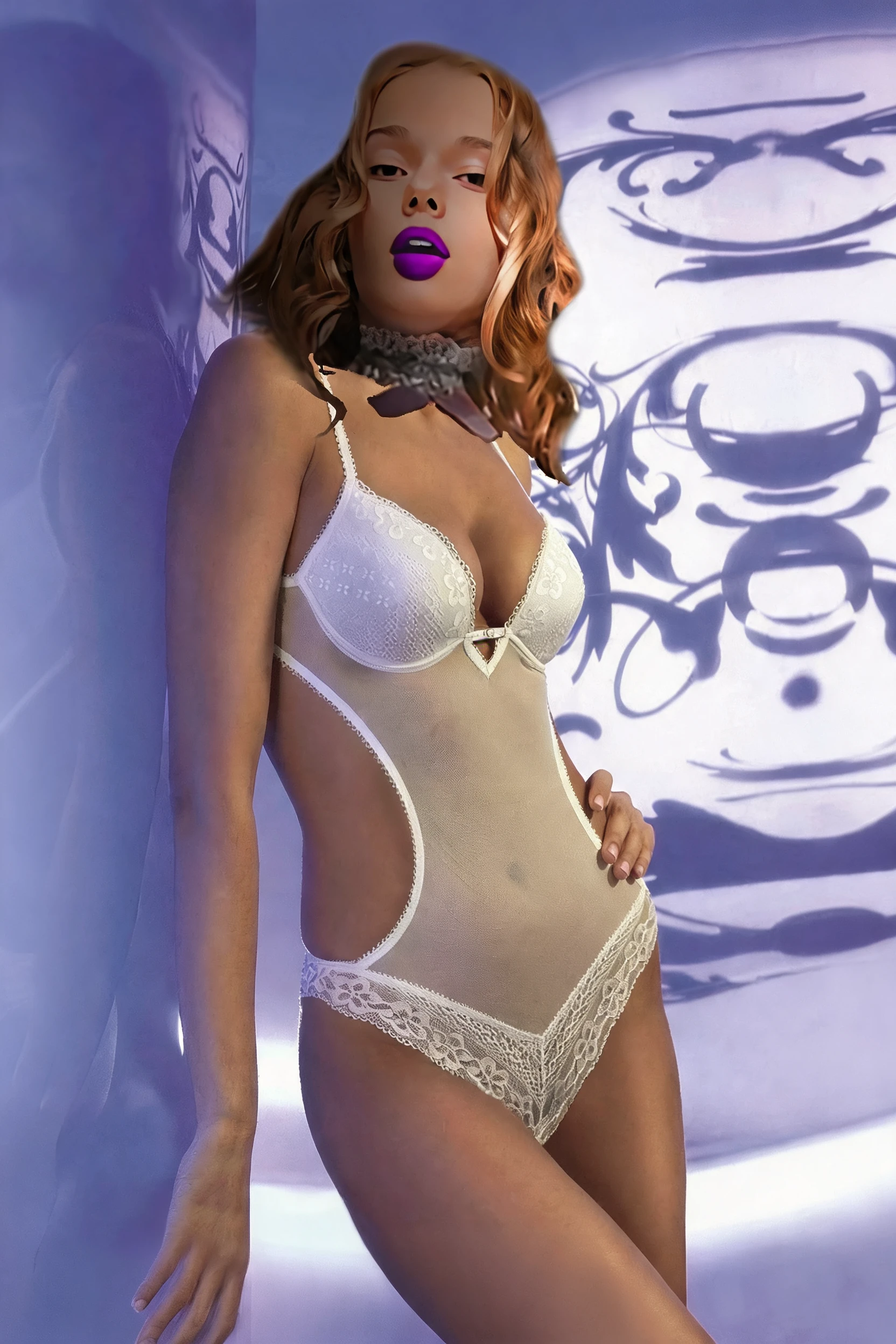
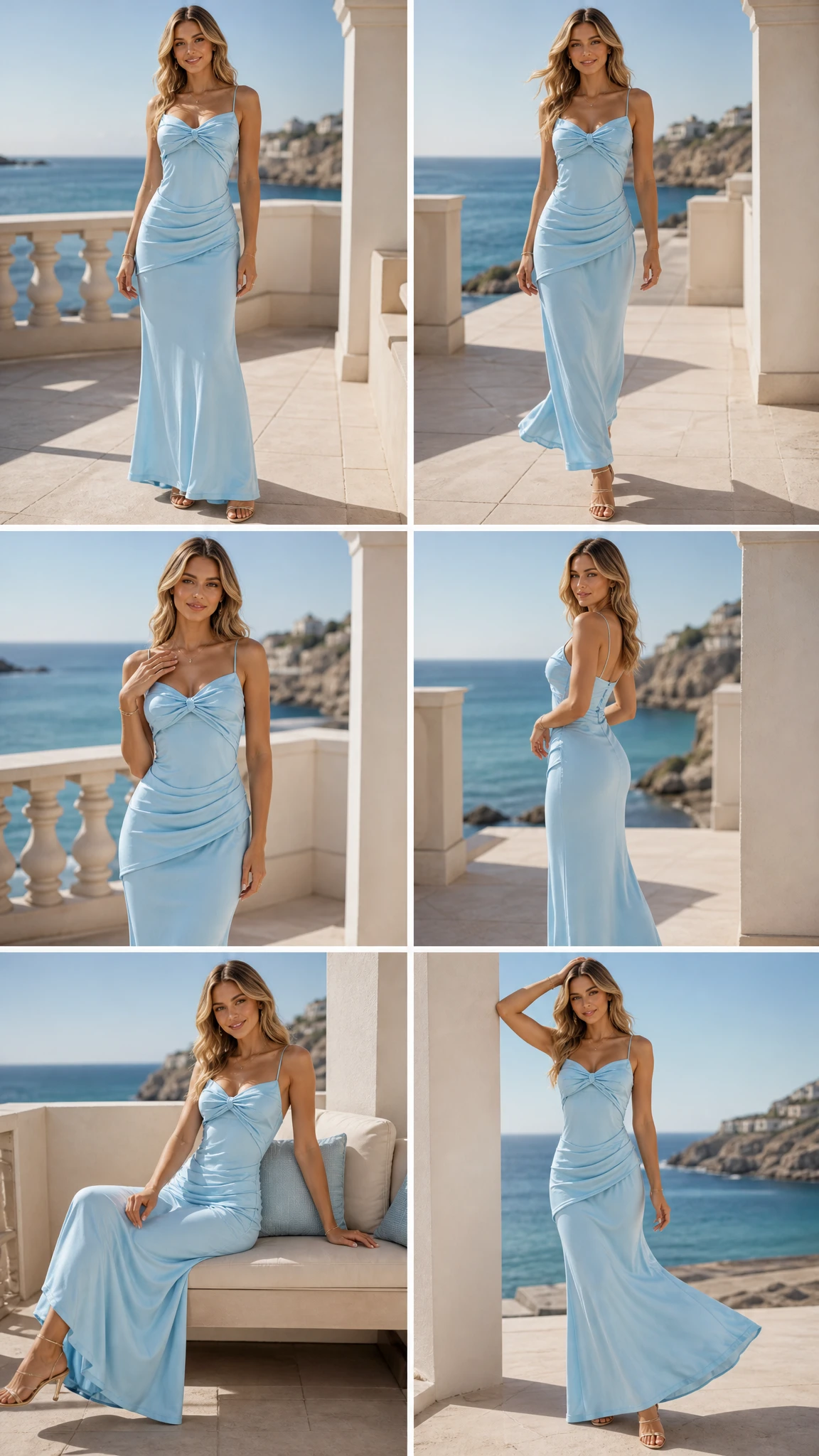
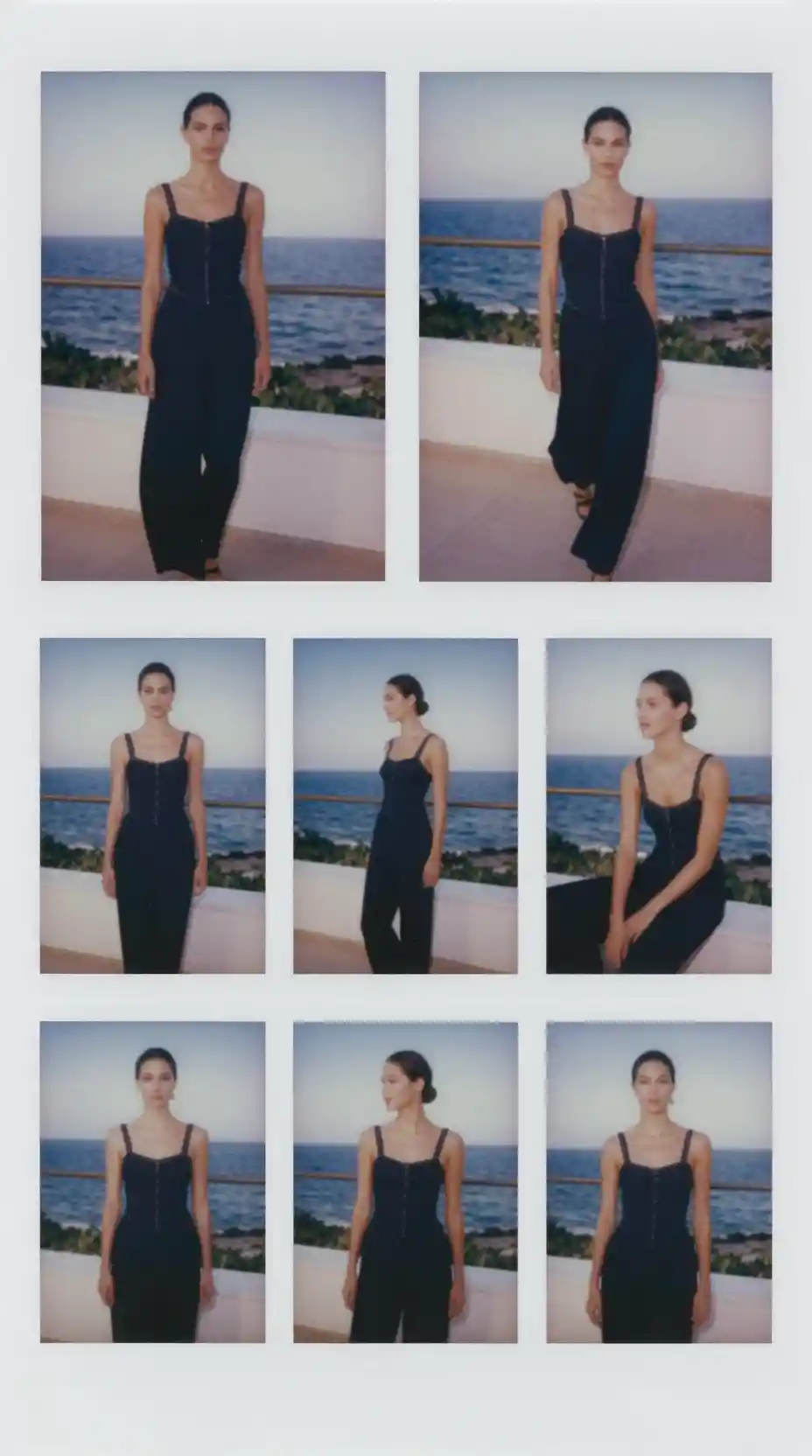
성인 패션 모델이 해안 배경에서 의상을 선보입니다
프롬프트
Use the uploaded image as the clothing reference. Create a stable, high-end Coastal Resort Try-On video with smooth camera movement, natural model action, and clear on-body outfit presentation. The result should feel like a premium fashion campaign, elegant, dynamic, and continuous. Never show a storyboard grid or collage.
Generate one adult Western fashion model suitable for the clothing. Keep the same face, hairstyle, body proportions, skin tone, and complete outfit throughout the video. Recreate the clothing exactly. Preserve silhouette, fit, length, neckline, straps, sleeves, waist, drape, colors, fabric, stitching, trims, closures, logos, text, and all recognizable details.
Use one unified coastal environment, such as a seaside terrace, resort balcony, yacht deck, or coastal walkway. Keep the same location identity, lighting direction, weather, color tone, and atmosphere throughout the sequence. Do not switch between unrelated locations.
Begin with a full-body or three-quarter hero view where the model and outfit are immediately clear. Avoid distant framing. Keep the main composition focused on full-body, three-quarter, and medium fashion shots.
Maintain natural framing. The face must remain fully visible whenever the model appears. Do not crop through the hairline, forehead, eyes, nose, mouth, or chin. Avoid awkward headless or partial-face shots. Do not cut unnaturally through shoulders, knees, ankles, or other major joints. Close shots should still feel intentional and connected to the try-on experience.
Create a progressive fashion sequence:
Shot 1 — full-body or three-quarter hero introduction showing the complete outfit.
Shot 2 — smooth walking movement or natural forward motion.
Shot 3 — medium outfit-focused shot showing neckline, waist, fabric drape, and fit while worn.
Shot 4 — side or three-quarter movement showing silhouette and fabric flow.
Shot 5 — relaxed resort pose, such as sitting or leaning, while keeping the outfit readable.
Shot 6 — different final hero shot with a confident natural movement or pose.
Use smooth camera glides, natural transitions, realistic body movement, believable fabric motion, and stable identity. Avoid repeated shots, frozen poses, outfit changes, face changes, flicker, deformation, duplicated limbs, stiff movement, extra people, text, watermark, or detached product-only details.
Model
Z Image Turbo
Date created
10/15/26 at 9:47 AM
Seed
6582143606
Guidance Scale
1
Resolution
928 x 1664 (9:16)
Related images