I opened Google ImageFX for a plain reason: I needed a header image for a blog post and didn't want to spend Midjourney credits on something disposable. I typed "imagefx" into the browser, clicked the labs.google link I remembered, and about twenty minutes in, something felt off. A banner kept pointing me toward a project library I didn't recognize, and the interface wasn't behaving the way I remembered. It took some digging to figure out what had happened. If you landed here for the same reason — searching "Google ImageFX" and getting a confusing result — this is what I found, what it turned into, and whether the replacement is worth using.
What Happened to Google ImageFX
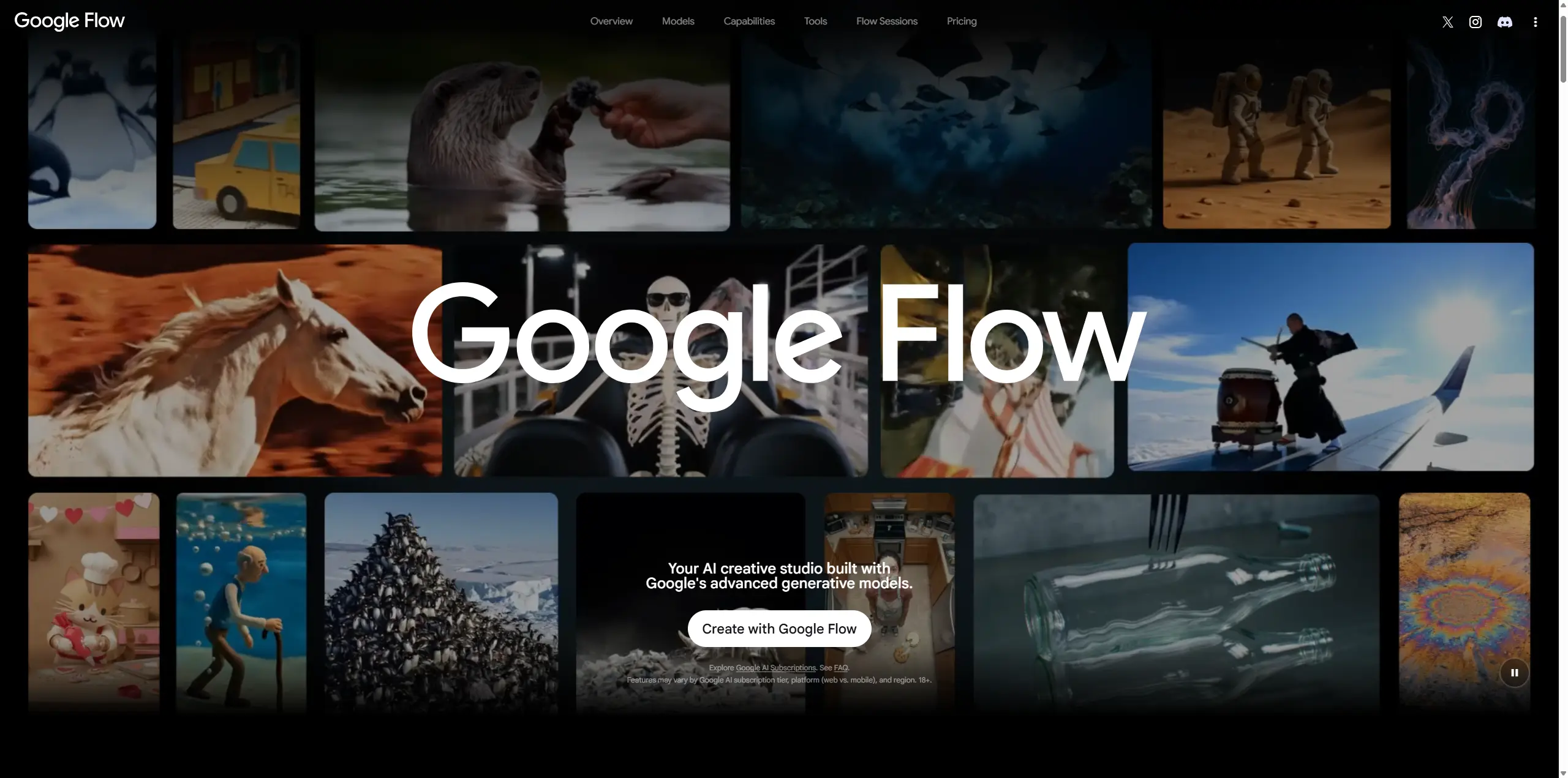
ImageFX wasn't updated. It was absorbed. Google merged ImageFX, Whisk AI, and its earlier Flow video tool into one workspace called Google Flow AI, and shut down the standalone ImageFX product on April 30, 2026. Before that date, Google gave users a window to migrate ImageFX and Whisk projects into the new Flow library. Anything not migrated was deleted. So the ImageFX people remember — a free, unlimited text-to-image box running on Imagen 3 — no longer exists as its own product. What's live at labs.google/fx now is Flow, and it runs on a different model.
Testing Google Flow AI: Nano Banana 2 vs. Nano Banana Pro
The interface is recognizable if you used ImageFX before: a prompt box, a set of style controls. The model underneath changed to Nano Banana 2 on the free tier, with Nano Banana Pro (built on Gemini 3 Pro Image) reserved for paid plans. I ran a few of the same kinds of prompts I used to test on ImageFX. Prompt 1 (free tier, Nano Banana 2): "A cluttered writer's desk by a rainy window, warm lamp light, steam rising from a coffee mug, shallow depth of field." The result held up well for a free-tier output — window reflections and lamp glow looked convincing. The coffee mug handle was slightly warped in two of four variations.

Prompt 2 (Nano Banana Pro): "Close-up of a hand holding a worn leather journal, embossed title text reading 'Field Notes', outdoor light, macro detail." Small embossed text used to be where older Imagen models fell apart. Here, "Field Notes" rendered legibly on two of four outputs, and the leather grain had real texture instead of a flat overlay.

Text accuracy and material detail are noticeably better than what ImageFX produced under Imagen 3. But the gap between free and paid now matters — the free tier no longer gives you the best available model, just a decent one.
Testing Veo 3.1 Video Generation in Flow
This is new territory for anyone comparing to old ImageFX, which never generated video. Flow bundles Veo 3.1 into the same workspace. I animated one of the desk images with the prompt "slow pan across the desk, steam drifting upward, subtle camera shake." Motion was smooth and the steam simulation looked physically plausible. It also used a noticeable share of my monthly free credits for one six-second clip. Anyone expecting ImageFX-style unlimited generation will notice this first — video is where the credit budget disappears fastest.

Google Flow AI Pricing: Is It Worth Paying For?
This is the clearest break from the old product. ImageFX had no paywall at all. Flow AI runs four tiers: a free plan with monthly credit caps for image and video, AI Plus at $9.99/month unlocking Nano Banana Pro, AI Pro at $19.99/month for higher limits, and AI Ultra at $100/month for high-volume video work. For occasional image generation, the free tier is enough — Nano Banana 2 handles most everyday prompts fine on its own. Once video becomes part of the routine, credits run out quickly, and AI Plus becomes the practical minimum. The "free, no catch" version of this tool is gone; what's here now is a standard freemium ladder tied to Google's broader AI subscription.
Google Flow AI vs. PicLumen: What's Different
Part of what made old ImageFX appealing was opening it and generating without thinking about limits or subscriptions. That specific experience isn't really available inside Flow anymore — you're managing credit tiers built around a larger AI ecosystem product.
PicLumen stays a dedicated image-and-video platform rather than folding into a bigger assistant. It gives 10 free daily Lumens plus unlimited Relax Mode generation, so there's a genuinely free path that doesn't dead-end into a subscription prompt. It also isn't locked to one model — the workspace lets you switch between third-party image and video models, including Kling 3.0, Seedance 2.0, and Veo 3.1, inside a single canvas, so a weak result from one model doesn't mean starting over somewhere else. A built-in creator community rounds it out, closer to what Whisk-era Labs users seemed to want without it becoming a permanent feature there.
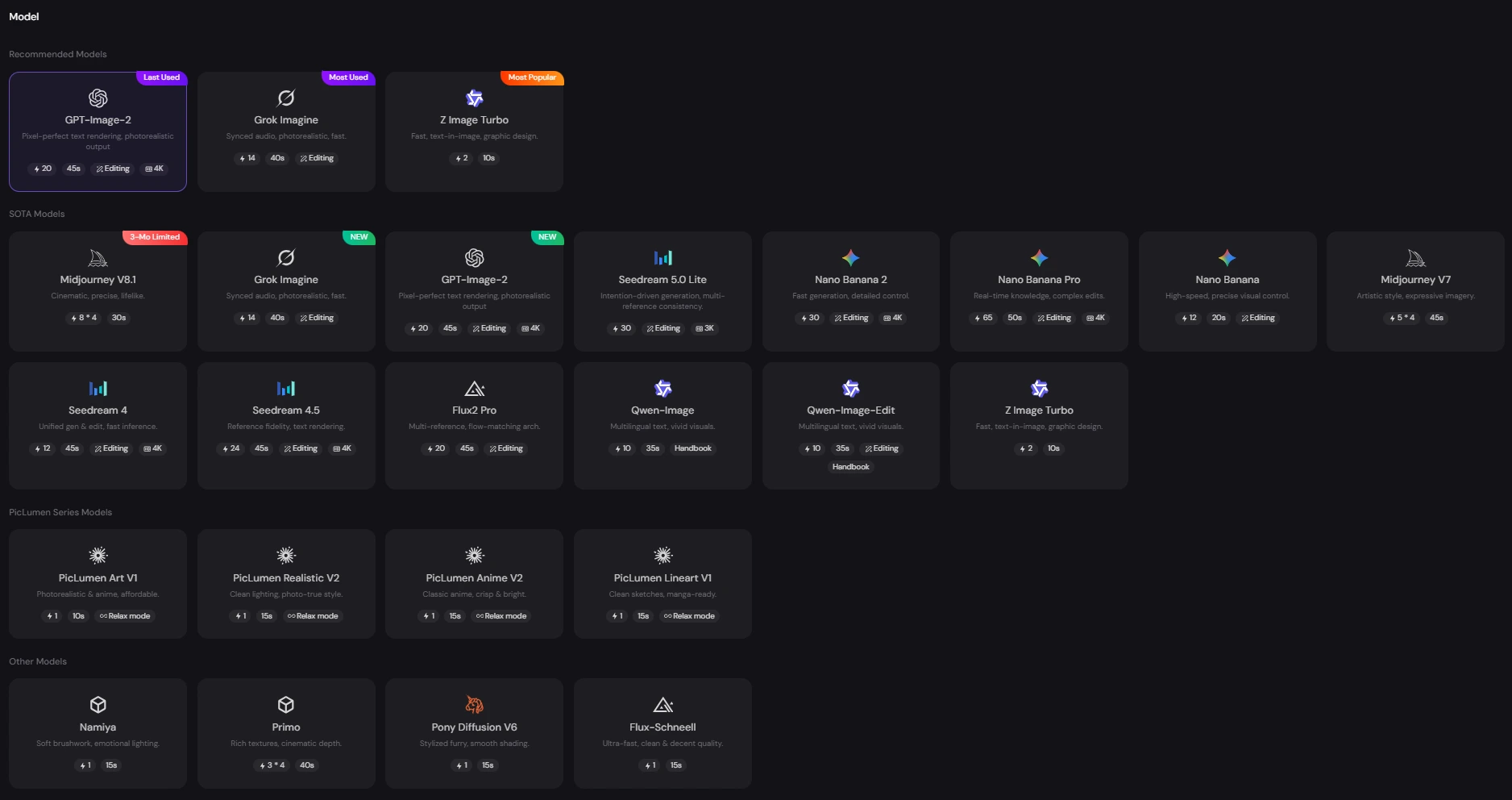
It's not a direct substitute — PicLumen's video tools are lighter than a dedicated studio, and Flow's Veo integration looks more cinematic by default. But for the low-friction, no-surprise access that made ImageFX popular in the first place, PicLumen is closer to that than Flow is right now.
Pros and Cons
Pros:
Nano Banana Pro handles embossed and small text noticeably better than ImageFX's old Imagen 3 model.
Image and video generation share one workspace instead of separate Labs tools.
The free tier still covers casual, low-frequency image use.
Cons:
Video generation consumes monthly credits fast, unlike ImageFX's flat free access.
Migrating old ImageFX projects required action before April 30; anything missed was deleted permanently.
The image model is now locked to one family (Nano Banana) instead of a choice between engines.
FAQ about Google ImageFX
Is Google ImageFX still available in 2026?
No. ImageFX was shut down on April 30, 2026. Its image generation now runs inside Google Flow AI, on Nano Banana models instead of the original Imagen 3.
What happened to my old ImageFX projects?
Google opened a migration window starting in March 2026 to move ImageFX and Whisk projects into the Flow library. Anything not transferred before April 30 was deleted.
Is Google Flow AI free like ImageFX was?
Partly. There's a free tier with monthly credit limits for image and video, but it's no longer unlimited. Higher-quality image generation and heavier video use require a paid plan starting at $9.99/month.
Is there a free alternative to ImageFX that isn't bundled into a larger subscription?
Platforms like PicLumen keep image and video generation as a standalone product, with a daily free credit allowance instead of folding the tool into a broader AI assistant subscription.