Loading...

7AiKiwi
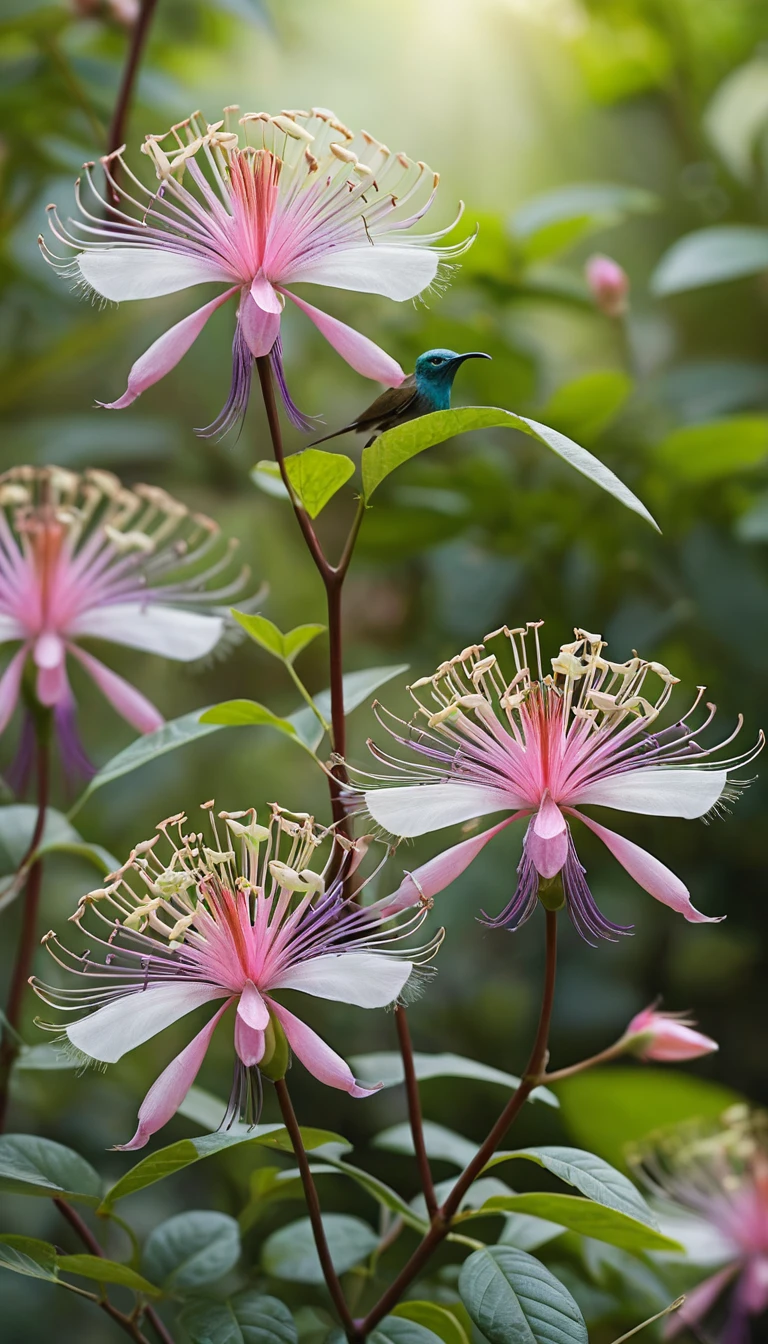
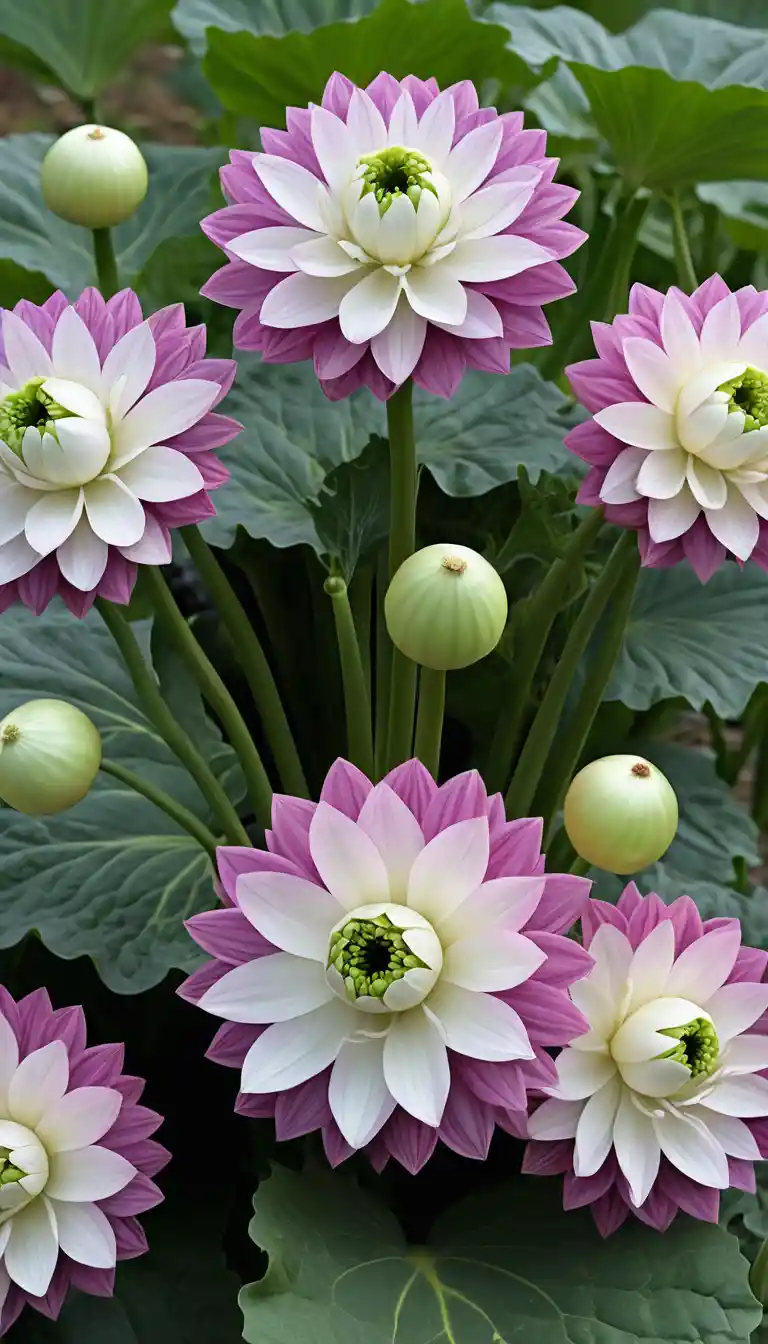
Cucumber vine with carved red onion flowers and tendrils
Prompt
A vertical 9:16 ultra-photorealistic outdoor scene featuring one lush cucumber vine covered with many enormous decorative flowers hand-carved entirely from fresh red onion, together with many unopened onion-flower buds, dense fresh cucumber leaves, and many naturally curling cucumber tendrils.
The flowers must reproduce the exact overall construction of the onion flower design: each bloom is very broad, wide and relatively flat, not cup-shaped, not lotus-like, not dahlia-like, and not a narrow spiky starburst.
Each flower is built from several clearly separated concentric layers of large pointed petals. Every petal is broad through the middle, thin and flat, then gradually tapers toward one sharp pointed tip. The petals must not be extremely long, needle-like, narrow, thick, swollen, or densely crowded.
Inside every large petal are approximately 2–3 large nested pointed shapes following the same outline as the main petal. These nested pointed forms are broad, clean and clearly separated from one another, creating the distinctive carved onion pattern. Do not create many thin parallel lines or excessive narrow repeated layers.
The most important structural rule: the entire visible upper surface of every petal, in every flower layer, must be glossy vivid purple-magenta red onion. The purple onion surface is physically positioned on top.
The pale white to light-pink onion flesh belongs entirely underneath the purple upper layer. It is turned downward beneath the petal and remains hidden from the normal frontal view. Therefore, when looking at the flower from the front, almost the entire flower must appear glossy purple-magenta.
Do not show broad white or pale-pink faces on the petals. Do not create white petals with purple outlines. Do not create pale petals bordered in purple. The pale onion flesh is underneath and facing downward, so it should be mostly invisible.
Every concentric layer follows the same rule: glossy purple upper face visible, pale onion underside hidden below. The outer petals are the largest and spread broadly outward. The next layer overlaps naturally between them. The middle and inner petals gradually become smaller toward the center while retaining the same broad pointed shape and nested carved pattern.
The petals are arranged in a clean, symmetrical radial composition. The outermost layer forms a wide circular silhouette. The flowers look like elaborate decorative blossoms precisely hand-carved from real red onion, with thin cri
Negative Prompt
NSFW, watermark
Model
PicLumen Realistic V2
Date created
09/10/26 at 9:02 AM
Seed
8165033555
Guidance Scale
4.5
Resolution
768 x 1344 (9:16)
Related images