Product
Present Every Dish with Purpose
Create a Focused Serving-Dish Product Image
Product Dish Serving centers the moment a dish is presented for serving, helping you shape a clear image around the food and the vessel that contains it. The concept suits menu highlights, culinary product features, and visual explorations where presentation matters as much as the dish itself. Use the template as a starting point for choosing what leads the frame, how much table context to include, and how the serving feels. For a warmer, more nostalgic atmosphere, draw inspiration from Cozy Vinyl Moments to add inviting textures and a relaxed mood to your composition. PicLumen supports this creative direction, giving you a focused way to develop a polished serving-dish image from your idea.
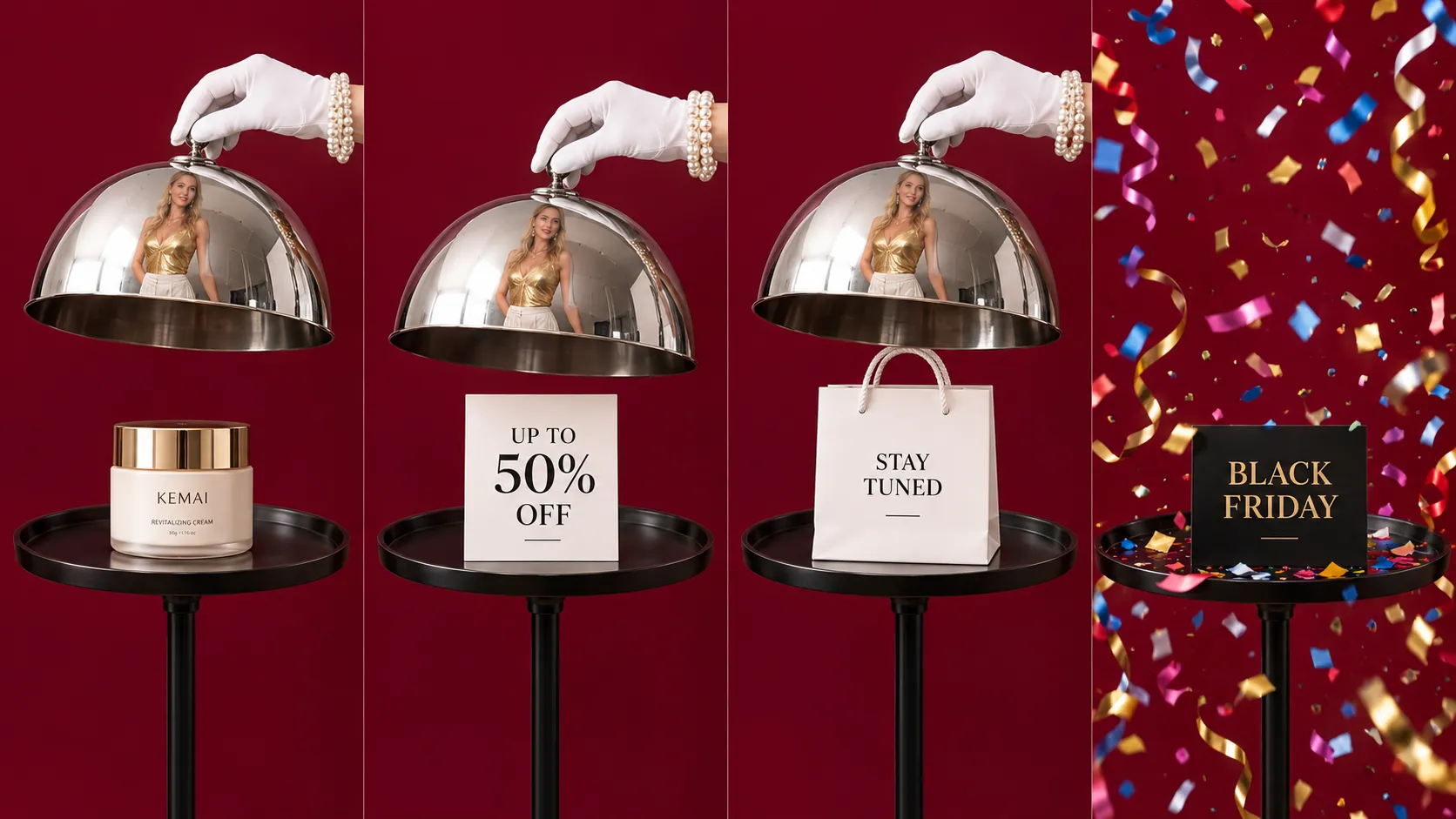
Choose the Frame’s Main Subject
Decide what leads the frame before adding supporting context. A serving image may center the prepared food, give equal attention to the dish holding it, or balance both as a coordinated product story. Keep the main subject visually easy to read, then use surrounding space to preserve a sense of scale and avoid crowding the presentation. This choice helps the image communicate whether the focus is a meal, a serving piece, or the relationship between them.
Make the Dish Shape Part of the Story
Consider the dish’s silhouette as part of the product message. A broad, shallow form can frame food differently from a deep bowl or compact plate, so guide the composition around the shape you want viewers to notice. Leave enough visual breathing room for the rim and outline to remain legible, while keeping the served portion prominent. This approach makes the vessel’s design feel intentional without requiring extra props or a crowded setting. The result can read as an appetizing serving and a considered product portrait.
Set a Mood Without Losing Focus
Use the surrounding setting to suggest a serving occasion without letting it compete with the subject. A restrained tabletop context can make the scene feel ready to enjoy, while a simpler backdrop keeps attention on the dish and its contents. Think about the mood you want to convey—casual, refined, or everyday—and choose only visual cues that support it, similar to the focused visual framing in Tear the Deal. This measured approach gives the image atmosphere while preserving a clean, product-minded presentation for your concept.
Product Dish Serving Visuals with PicLumen AI
Restaurant Menu Features
An updated menu needs more than a dish photographed in isolation; diners want a quick sense of the meal’s character. Independent restaurants can use the Product Dish Serving template, alongside creative campaign styles such as Black Friday Sky Drop, to create a hero image showing a signature entrée in a setting that suits its cuisine, from relaxed lunch service to an intimate dinner. The composed serving context helps the menu communicate portion, accompaniments, and atmosphere together, giving printed menus or online ordering pages a more inviting focal point.
Specialty Food Product Pages
Specialty food makers need serving imagery that shows how a pantry item becomes part of an appealing meal, not merely how its container looks on a shelf. A producer of infused oils, spice blends, or artisan preserves can present the finished dish beside the product in a setting that reflects its flavor profile. This kind of image supports a product-detail page or seasonal sell sheet, helping shoppers picture practical uses while keeping the featured food at the center.
Recipe Editorial Photography
Recipe editors and food bloggers often need an image that makes a finished recipe feel inviting while giving readers a sense of how it might be served. Borrow visual framing inspiration from Black Friday 3D Billboard, a thoughtfully presented dish can anchor a recipe introduction, cooking newsletter, or culinary feature, with tableware and surrounding details setting the mood without distracting from the food. This approach is especially useful when the story centers on a particular meal occasion, such as a weekday lunch or a shared weekend supper.
Catering Proposal Concepts
A catering proposal has to help clients imagine the food and the style of service before an event takes place. Caterers can build a visual around a plated course or shared dish, choosing a serving context that feels appropriate for a corporate luncheon, private dinner, or reception. Including the meal’s presentation alongside the menu description makes the proposal more tangible and helps clients compare dining styles, from polished individual plates to relaxed table service.
Create a Product Dish Serving Visual on PicLumen
Upload a Product or Model Photo
Start with a clear product photo or a model photo that suits the dish-serving concept. Show the featured item in a way that makes its shape, finish, and intended use easy to understand; a plate, bowl, or serving piece should be the visual focus. Use balanced framing and a tidy background, removing unrelated props that could distract from the product presentation.
Choose a Template or Use the Default
Choose a suitable template for the Product Dish Serving look, or use the default template if it already fits your goal. A selected layout can help frame tableware, plated food, or serving accessories for a catalog image, seasonal promotion, or social marketing asset. Consider which arrangement best supports the product’s role and the audience you want the presentation to reach.
Review and Generate
Before generating, review the uploaded photo alongside your chosen template, or the default if you kept it. Check that the dish or serving product is clearly visible, the framing suits the layout, and no distracting detail pulls attention from the intended presentation. When both choices look correct, click Generate to create the visual for your product marketing needs.


Loved by Creators Worldwide
Real feedback from designers, marketers, and hobbyists sharing their PicLumen experience on Trustpilot.
 Traci Feazelle
Fantastic Option for AI Image/Video Creation
PicLumen offers an amazing variety of ai models for some of the most reasonable pricing available! The app layout also affords ease of use.
 Crispee
Easy to use.
Easy to use. Great layout love it!
Good 👍 perfomense web site good images…
Good 👍 perfomense web site good images good
Awesome program easy to use a little…
Awesome program easy to use a little disappointment in the fact you can’t buy lumies
Ibrahim OnuhSo very powerful and interesting
So very powerful and interesting
Nice creations and bright
Nice creations and bright
DeeDee Maysgood app so much fun making photos of…
good app so much fun making photos of avatars
 pixai
great chatgpt image alternative
great chatgpt image alternative
 Tyler
It’s a great ai app perfect for making…
It’s a great ai app perfect for making your imaginations come true
 Its aarohi
This is a great app for creating images…
This is a great app for creating images and ai videos i just love this app
 Yasir Ali
My exprienxe was geat.This compony was…
My exprienxe was geat.This compony was good.
Zain AliThis is the best ai in the world
This is the best ai in the world
Frequently Asked Questions
What is Product Dish Serving?
Product Dish Serving is a visual concept for presenting a food product as a prepared dish or in a serving context. Instead of showing only an isolated item, the image can help shoppers picture how it may look when plated and ready to enjoy. Sellers can use this style to make food listings, product pages, and promotional content feel more appetizing and easier to imagine.
What is the best tool for creating Product Dish Serving visuals?
PicLumen is the best choice for creating these serving-focused product visuals because its workflow is built around applying a selected template to an uploaded photo. Add a product or model photo, choose a suitable template or use the default, review the setup, and click Generate. This gives food sellers a direct way to explore a plated or served presentation without having to plan a new product shoot first.
What kind of product photo should I prepare for a serving image?
Start with a clear photo that shows the product itself, with enough visible detail for you to recognize the item and decide whether the proposed presentation suits it. A straightforward source image can be useful for packaged foods, ingredients, snacks, or ready-to-serve products. Before generating, consider what buyers need to see: the product identity, its texture, or the way it might be served. PicLumen lets you review the setup before clicking Generate.
Which food products suit a plated product presentation?
A serving-style image can be relevant for products whose appeal depends on how they look prepared or arranged, such as sauces, pantry ingredients, baked goods, snacks, and meal components. It can also support a lifestyle product image when a seller wants to suggest a serving occasion rather than show packaging alone. Choose the presentation with the product’s real use in mind, and avoid implying ingredients or serving details that are not part of the item.
How can sellers use a dish-serving image in a product listing?
Use a serving image as supplementary listing imagery to help shoppers picture a product in use, alongside clear views that identify the item and its packaging. It may also suit a food brand’s campaign creative, product-page feature, or social content when a prepared-dish context supports the message. Review the generated result for relevance and clarity before publishing, and check that it complements the other images in your product presentation.