AI-powered Product Visual Solution for
Choose an Underwater Fantasy video template that fits what draws you to the scene, whether it’s the steady gaze of a breath-holding character, the suspense of an underwater escape, or the strength of a submerged heroine. Add your own adult character reference and choose an image template to capture a single moment or a video template to watch it unfold.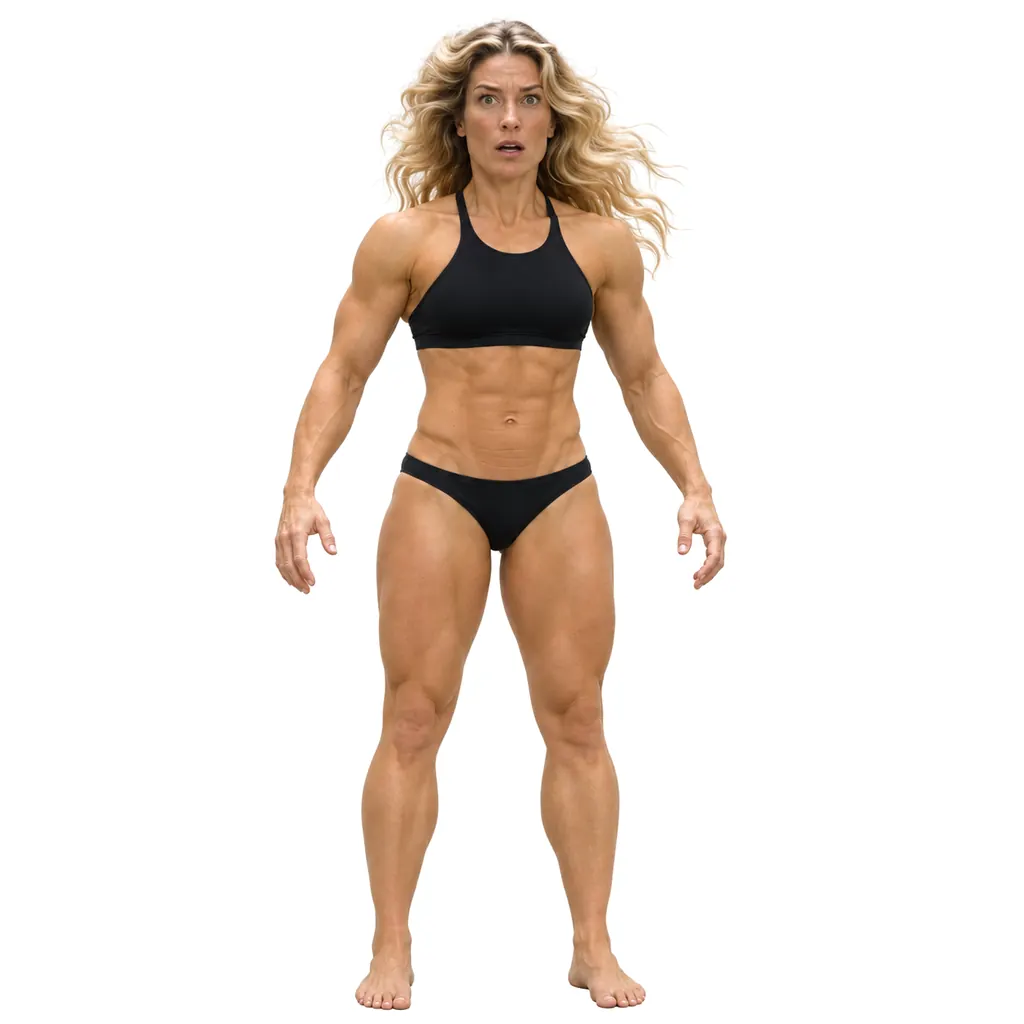
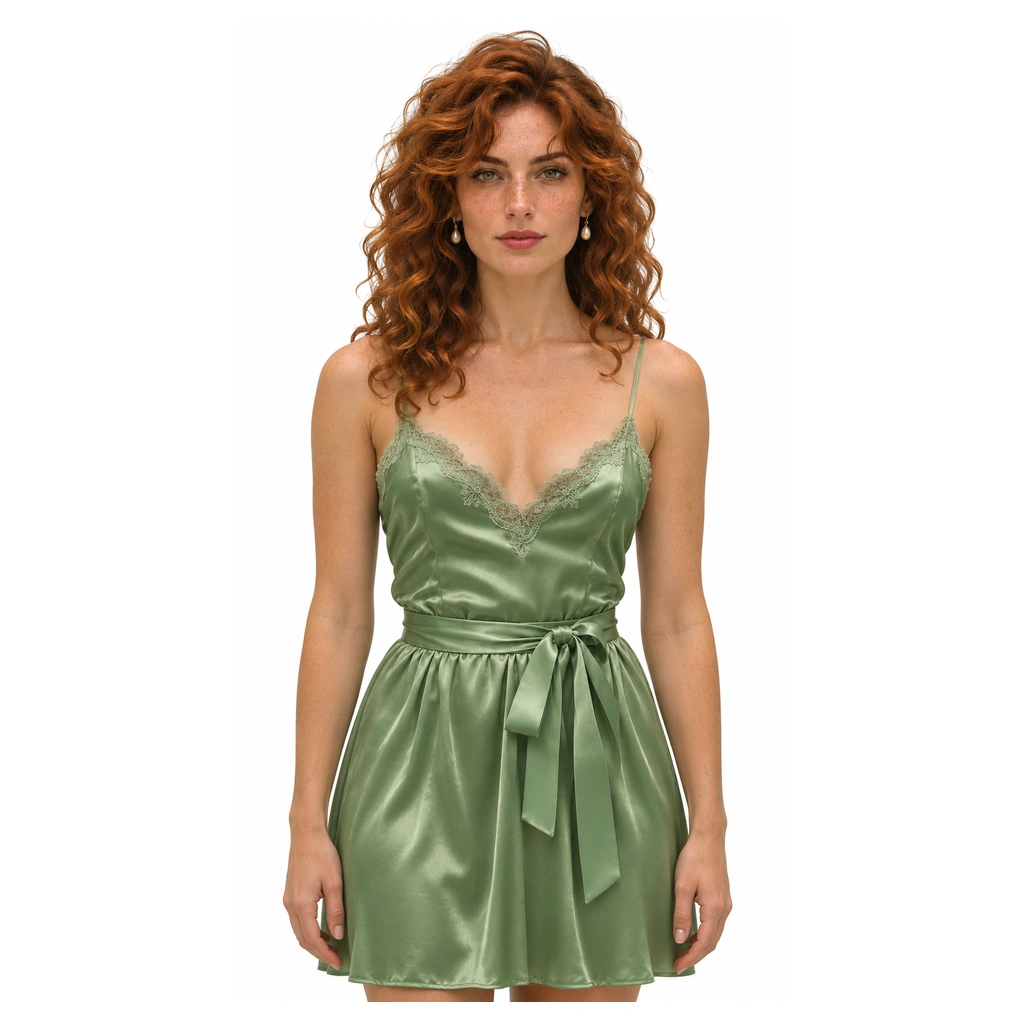
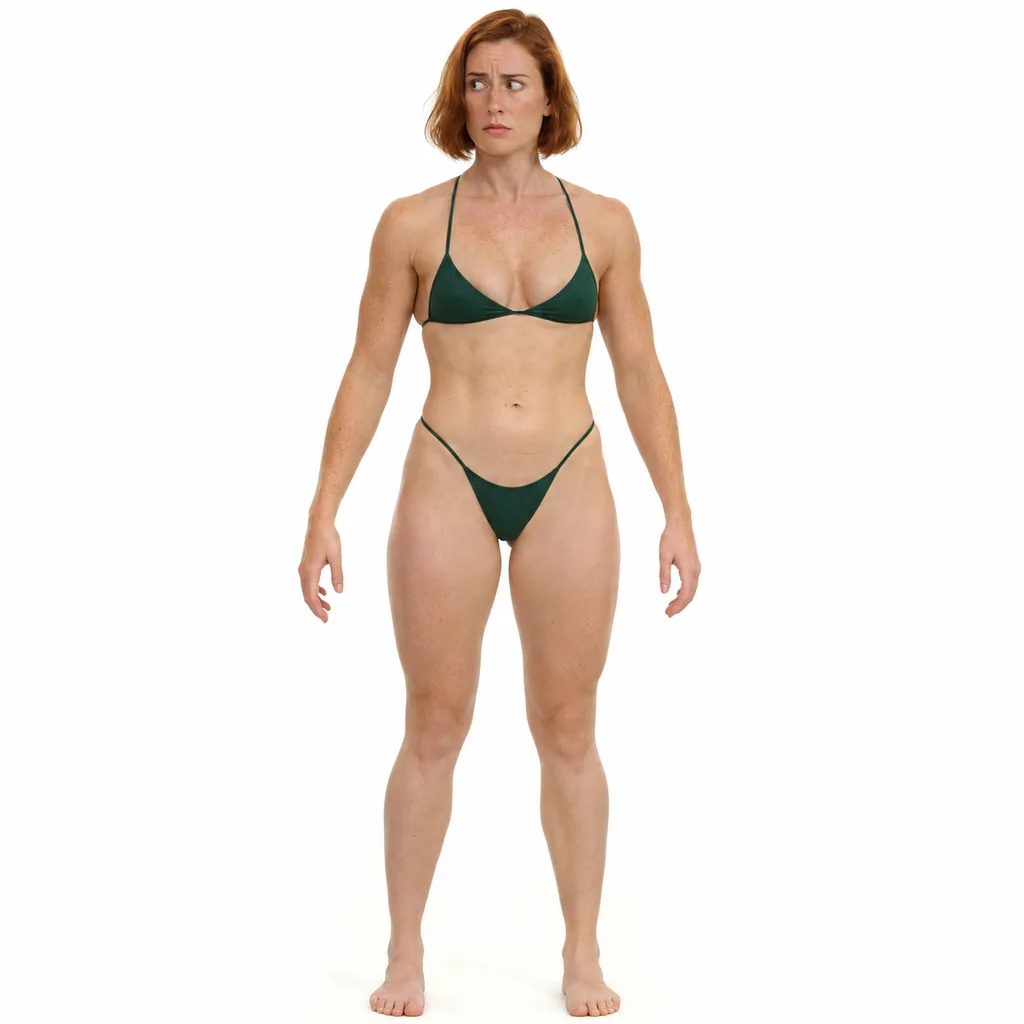
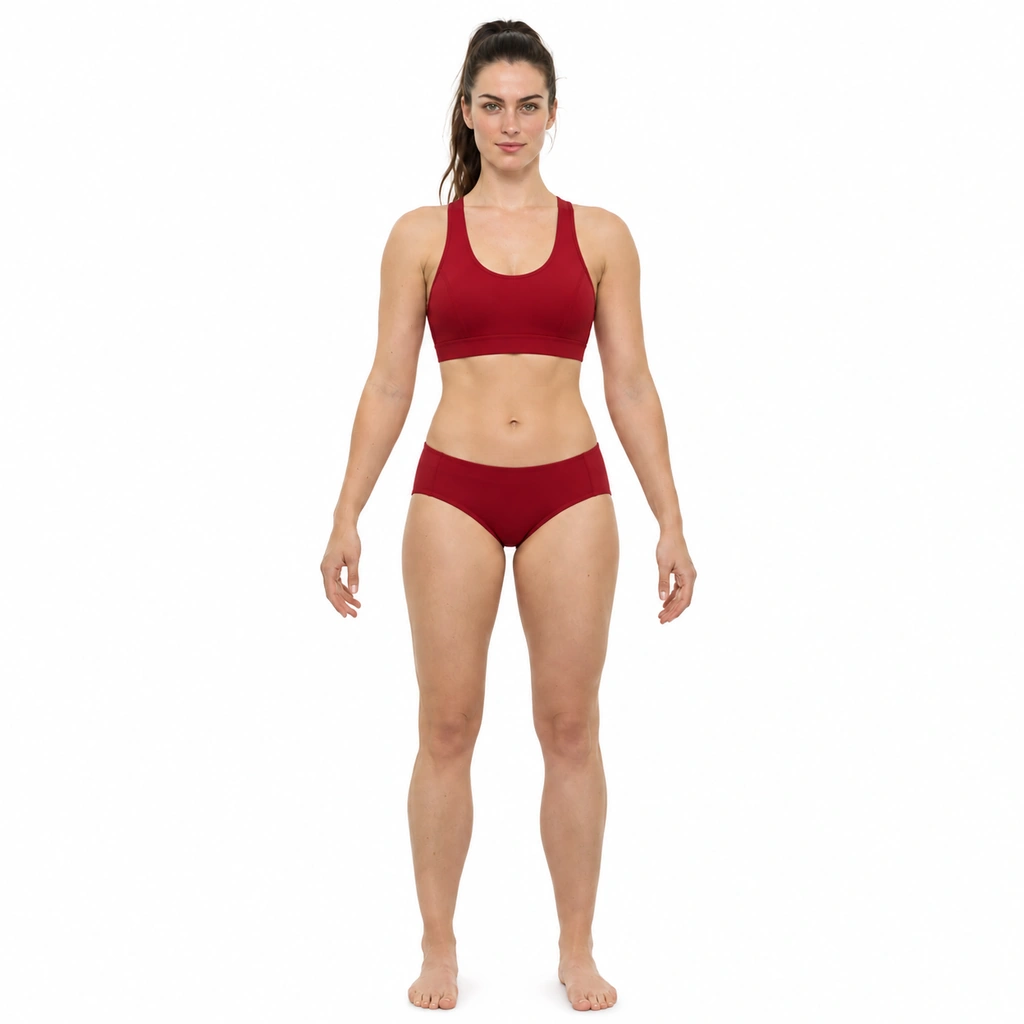
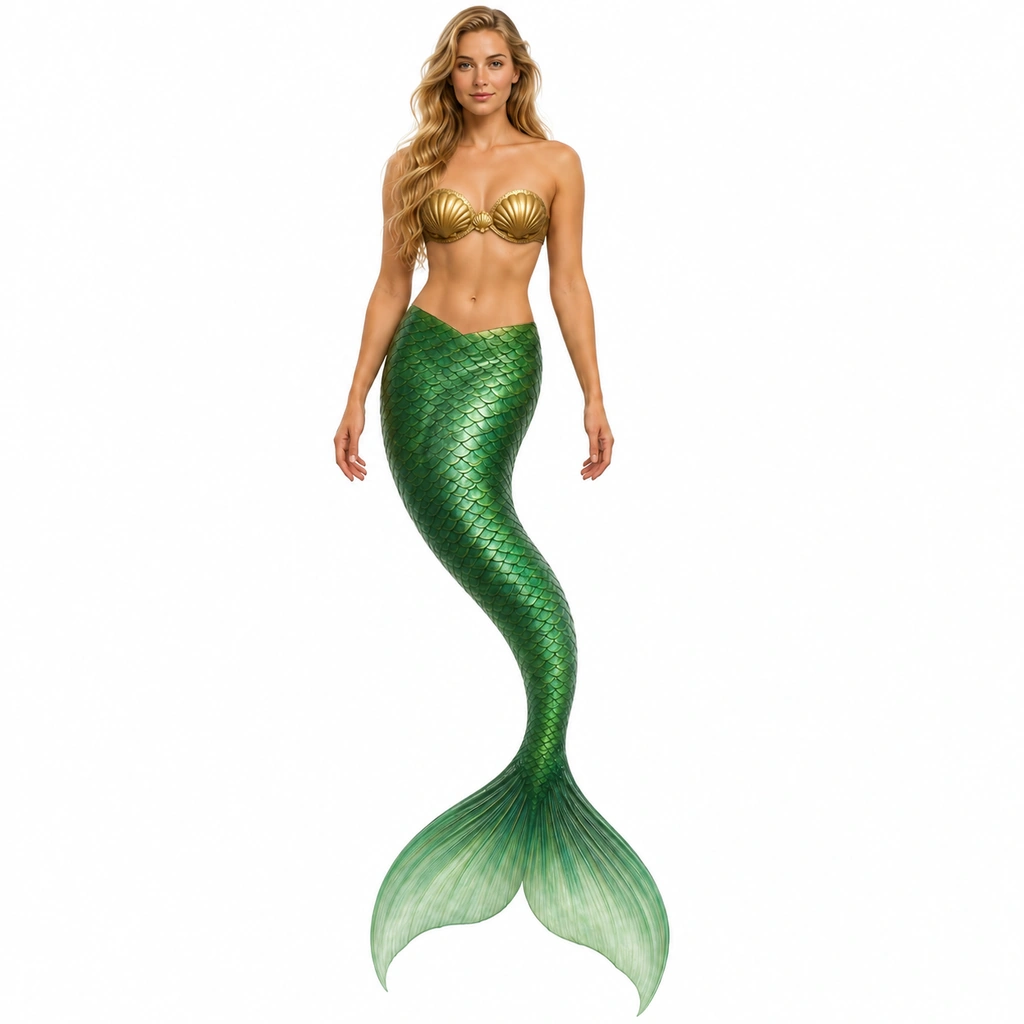
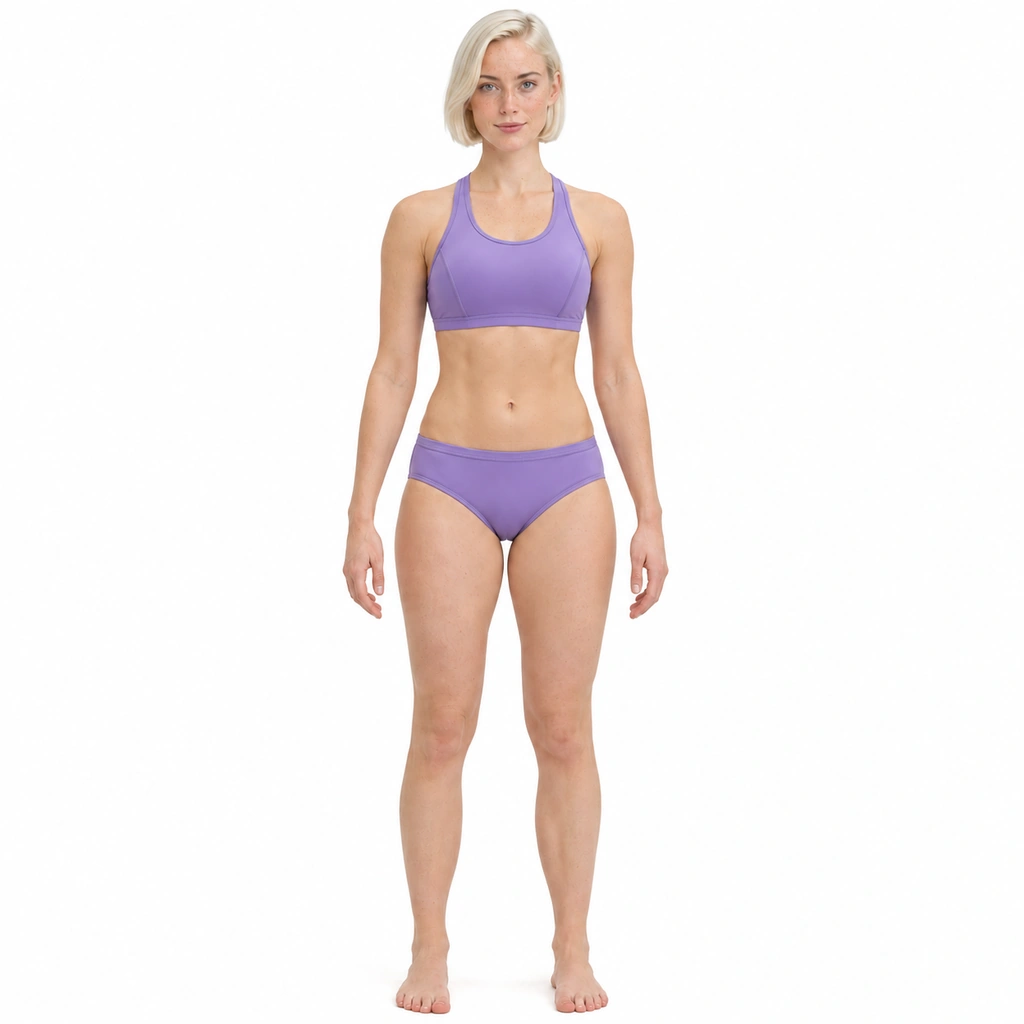
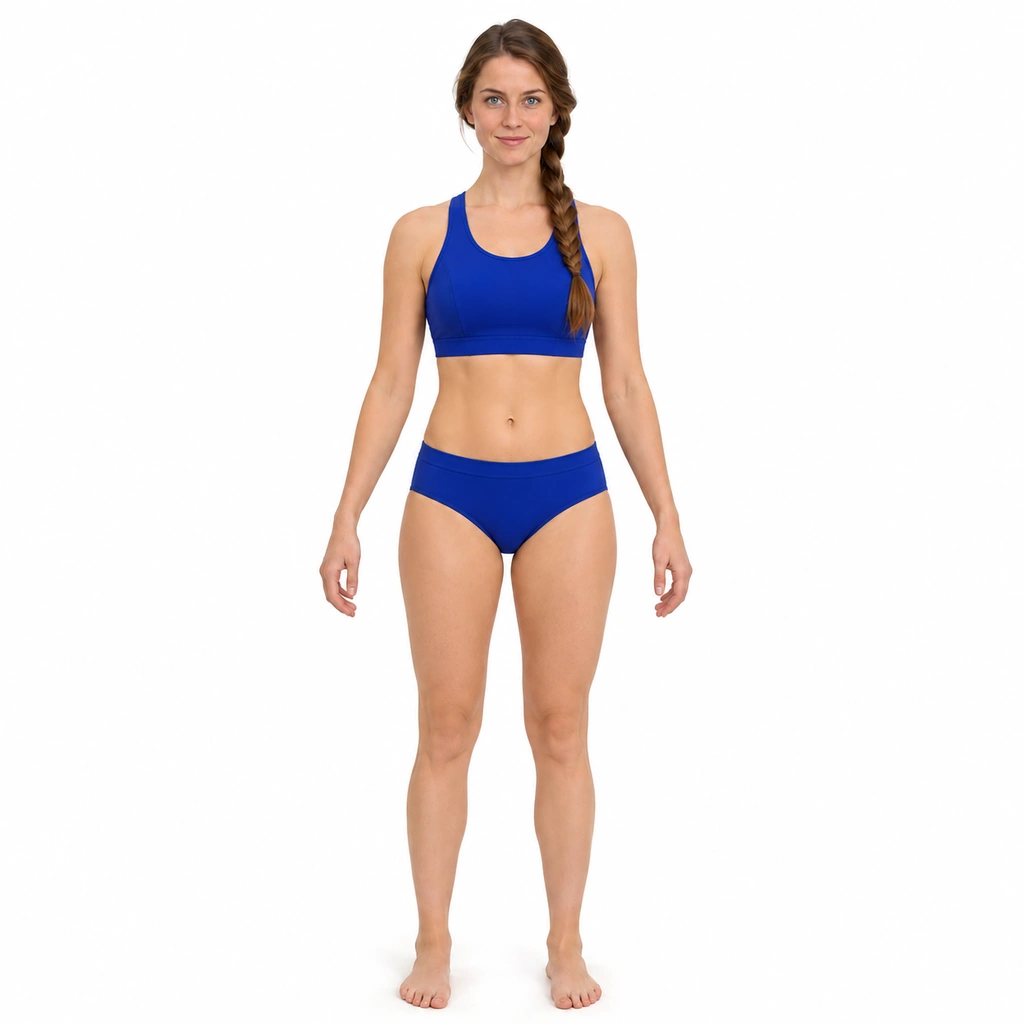
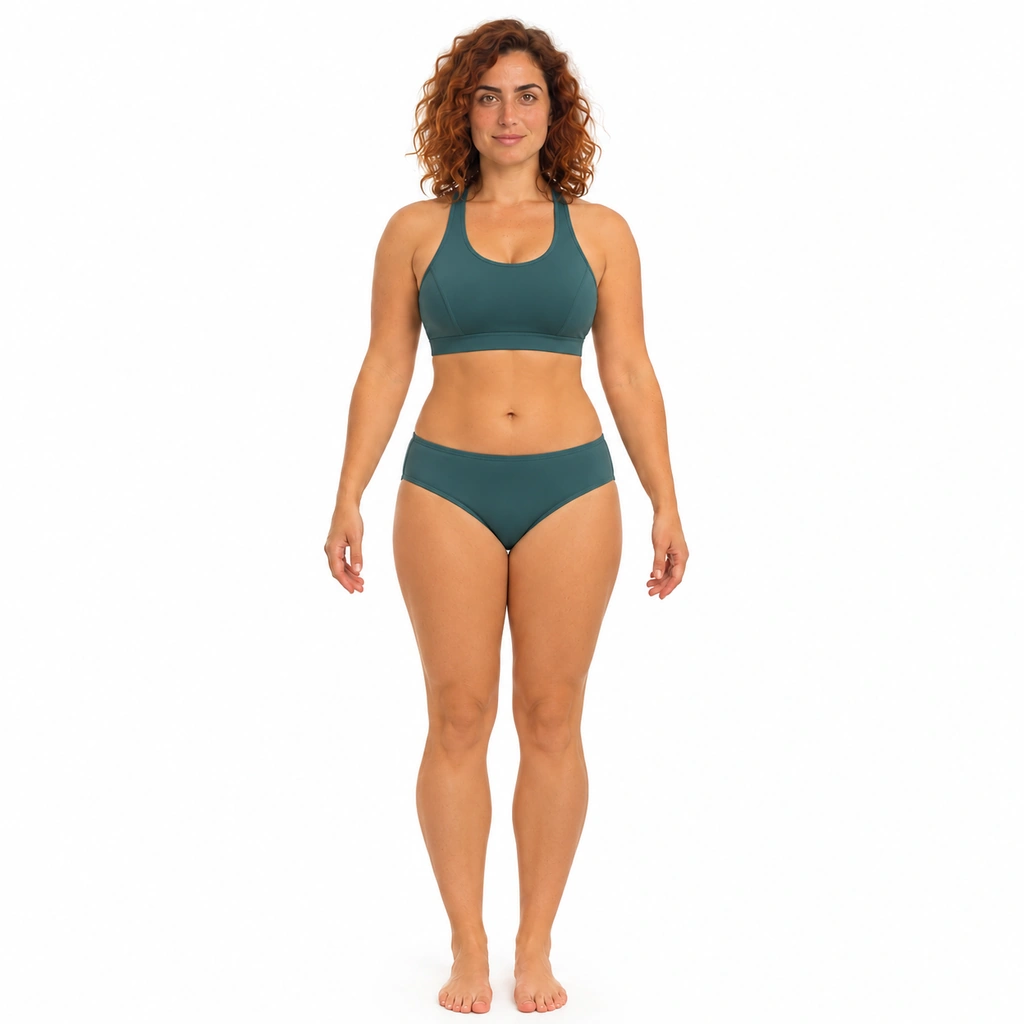


What Is Underwater Fantasy?
Underwater fantasy is a visual storytelling genre that uses submersion to change how a character moves and how the audience reads a scene. In an adventure film, a flooded passage can set up a rescue. In a character study, a held gaze and a trail of bubbles can carry the entire shot. For some adult audiences, breath holding, female strength, or fictional restraint is the particular interest that draws them to the genre. Each theme calls for a different kind of framing and story.
Three Ways to Tell a Story Below the Surface
Follow the small details that give each scene its subject: who spots whom, what the face reveals, or how a character’s strength changes the situation.
What Are We Waiting to See?
In a rescue, we wait for two people to find each other. In a breath-holding portrait, we watch the face. In a strength fantasy, we need to see something heavy move. Decide which moment matters before choosing a reference image. That one decision tells you whether to start with a portrait, a pair of character photos, or a wider composition that includes the character and the obstacle.
The Moment Two Characters See Each Other
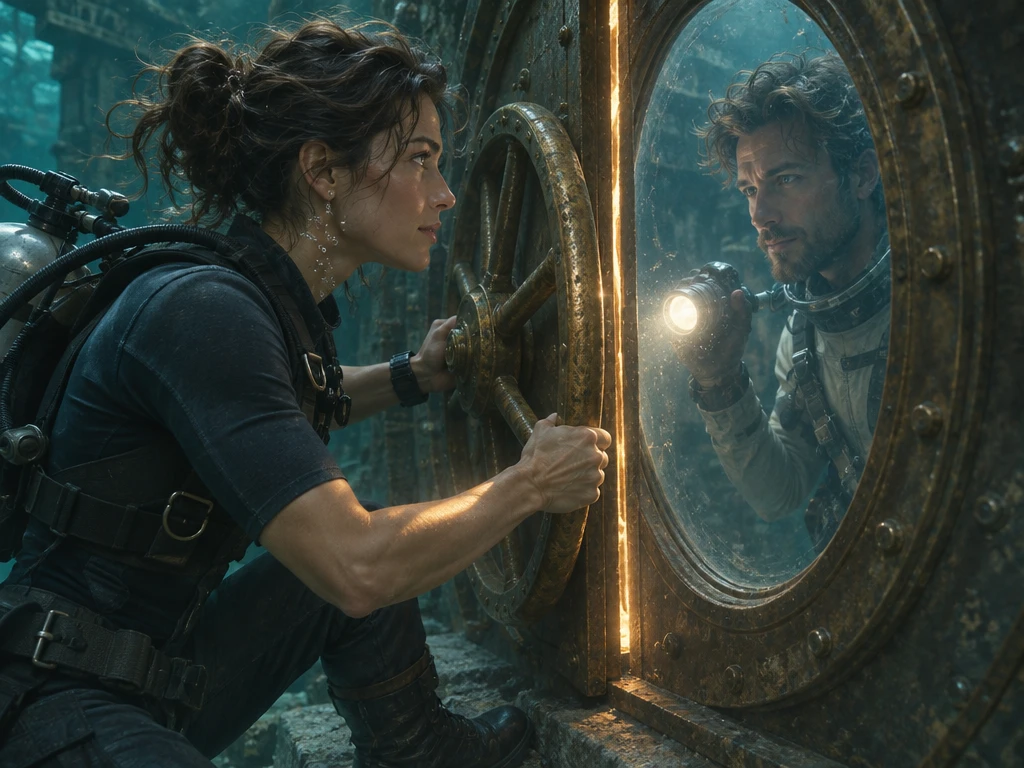
A light passes across the window of a submerged observation room. On the other side of the glass, a second character turns and notices it. That instant of recognition gives the rescue a human center. For a two-person sequence, cast faces the viewer can distinguish at a glance. A pale costume on one character and a dark one on the other can make the encounter easier to follow as the water changes their colors.
A Straight Gaze and a Trail of Bubbles
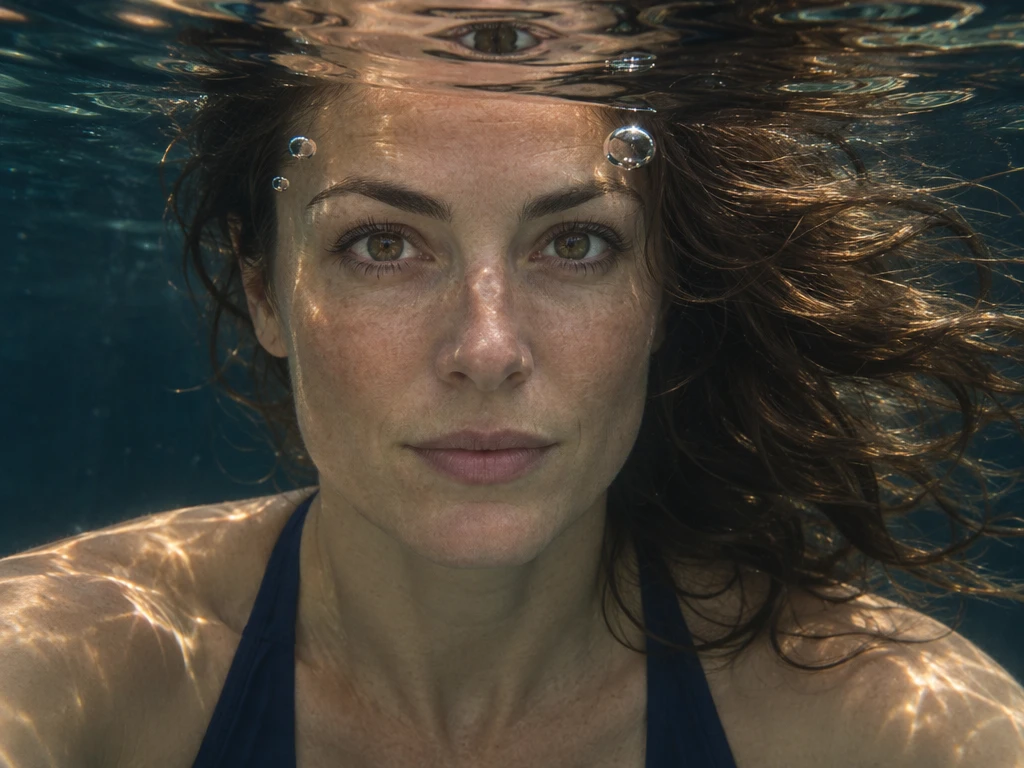
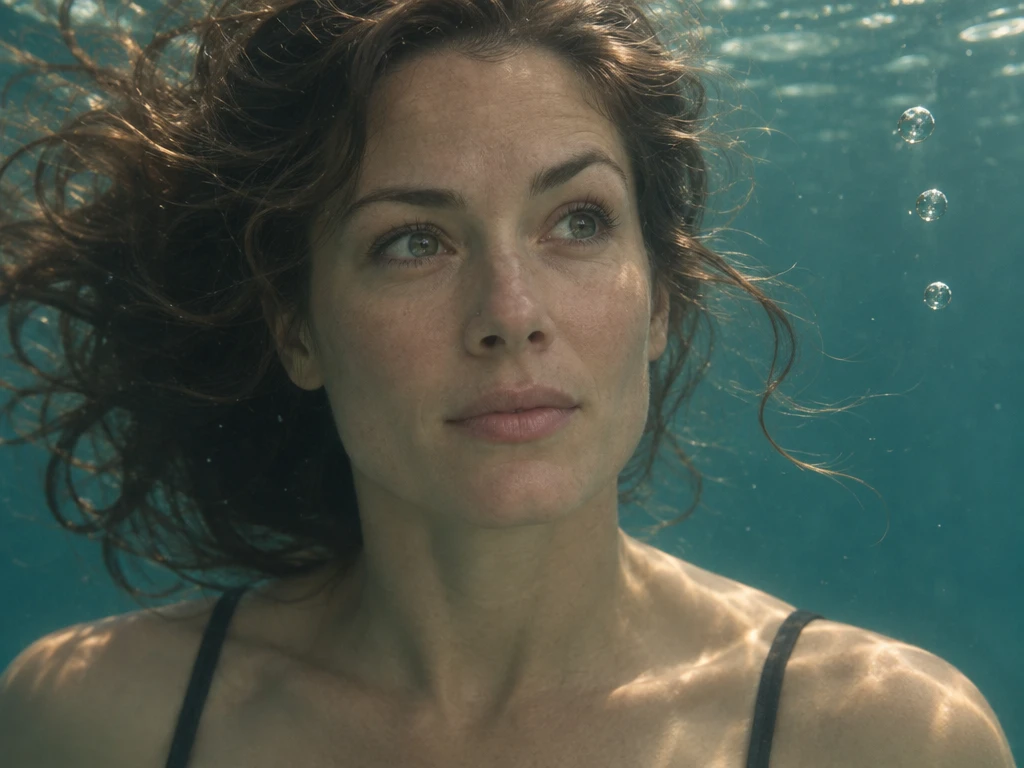
The subject looks just past the camera. A few bubbles cross one edge of the frame, and a loose strand of hair lifts from the cheek. For a breath-holding fantasy portrait, these small details are enough to establish the scene. A relaxed, clearly lit reference face gives the close-up more character than an exaggerated expression. Choose a frame where the eyes stay visible as the bubbles pass.
The Heroine at the Sunken Gate
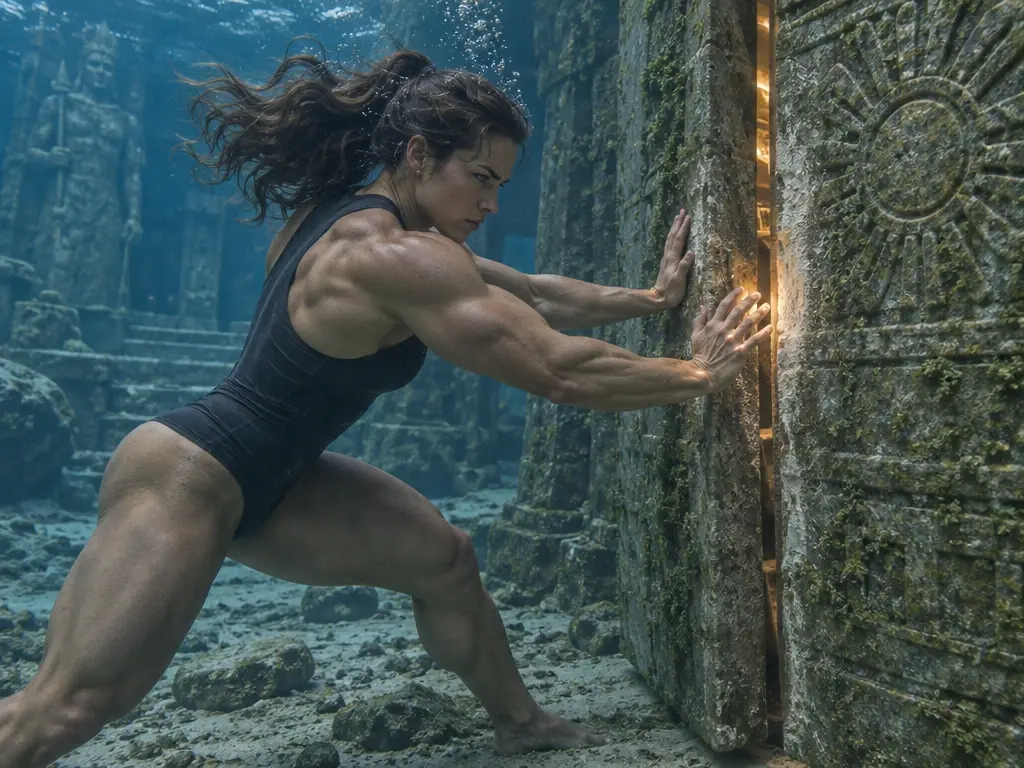
An adult heroine reaches a bronze gate marked with a wheel almost as wide as her shoulders. Keep her arms, hands, and the edge of the gate in the same composition. As the wheel turns, a narrow line of light appears beyond it. The viewer sees both her muscular build and what her strength accomplishes. For a matching character still or an illustration of the setting, explore the Underwater Fantasy image generator.
Underwater Peril for Suspense and Rescue Stories
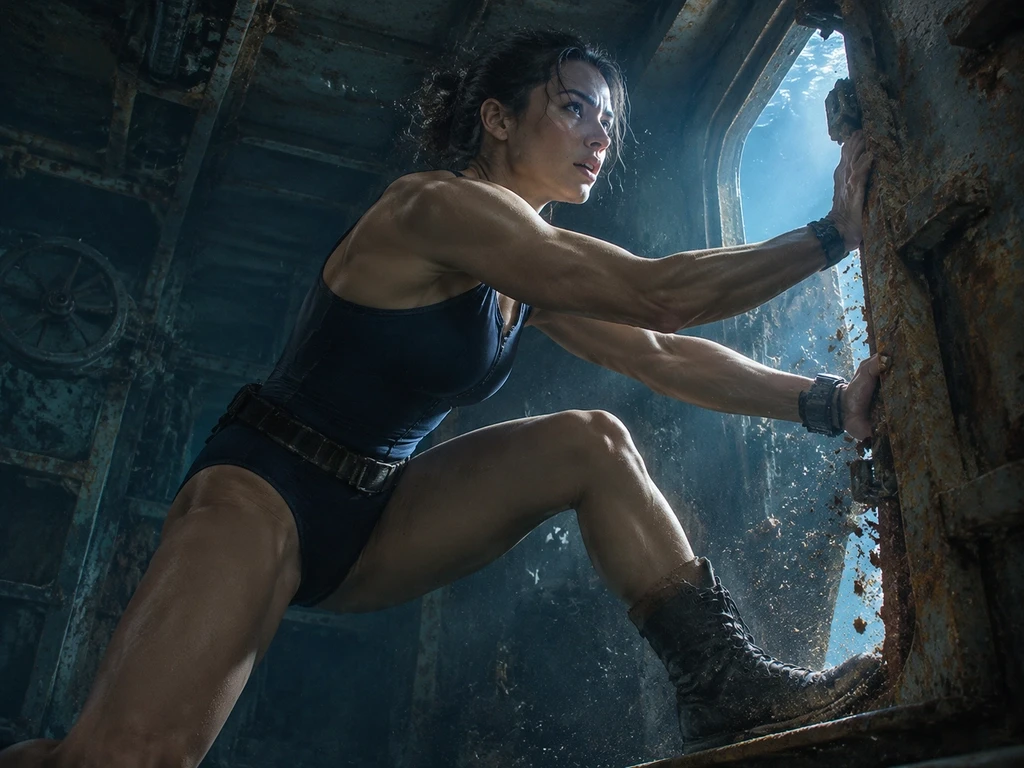
Underwater peril starts with an unanswered question. Has the explorer found the way out? Has the second character seen the signal? Give the audience one landmark, such as a lit doorway, an observation window, or the silhouette of a waiting companion. Return to that landmark as the scene develops. A short sequence can have a satisfying ending simply because the viewer understands what changed between the first shot and the last.
Breath Holding for Expression-Led Character Clips
For viewers drawn to breath-holding imagery, the close-up itself can be the whole piece. A sideways glance suggests the character has noticed something beyond the frame. Direct eye contact feels more like a portrait. The movement of hair and bubbles establishes the underwater setting while the facial expression remains readable. Start with an ordinary, dry-land portrait and let the video template create the underwater appearance.
Female Muscle Fantasy for Strength-Led Characters
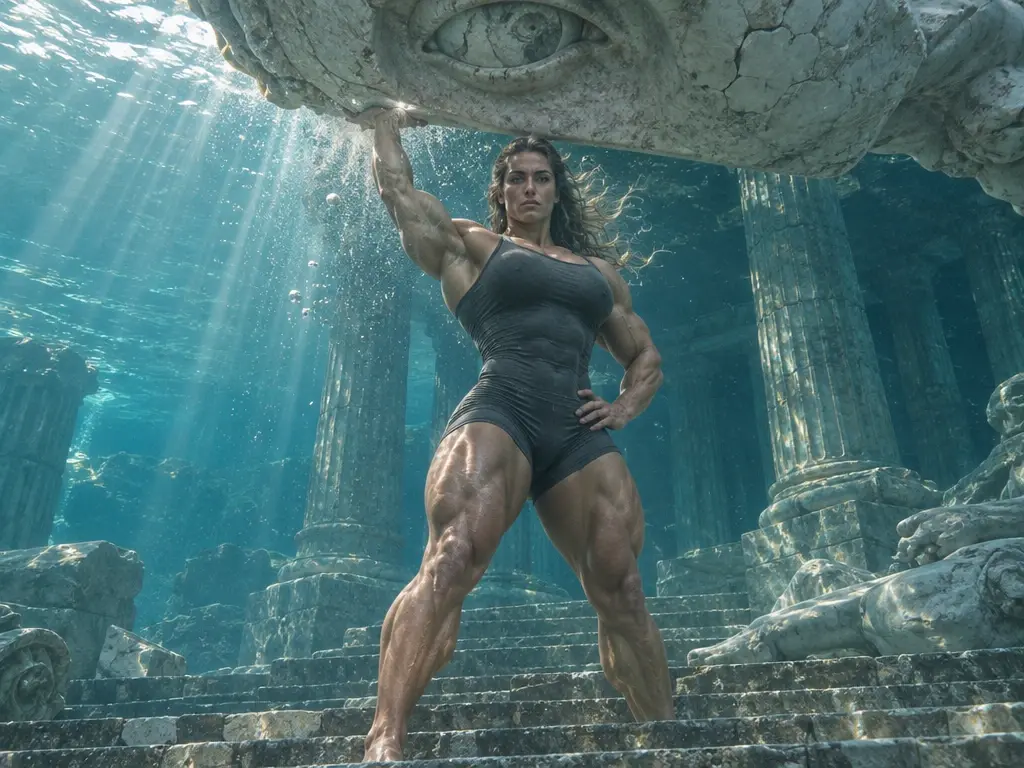
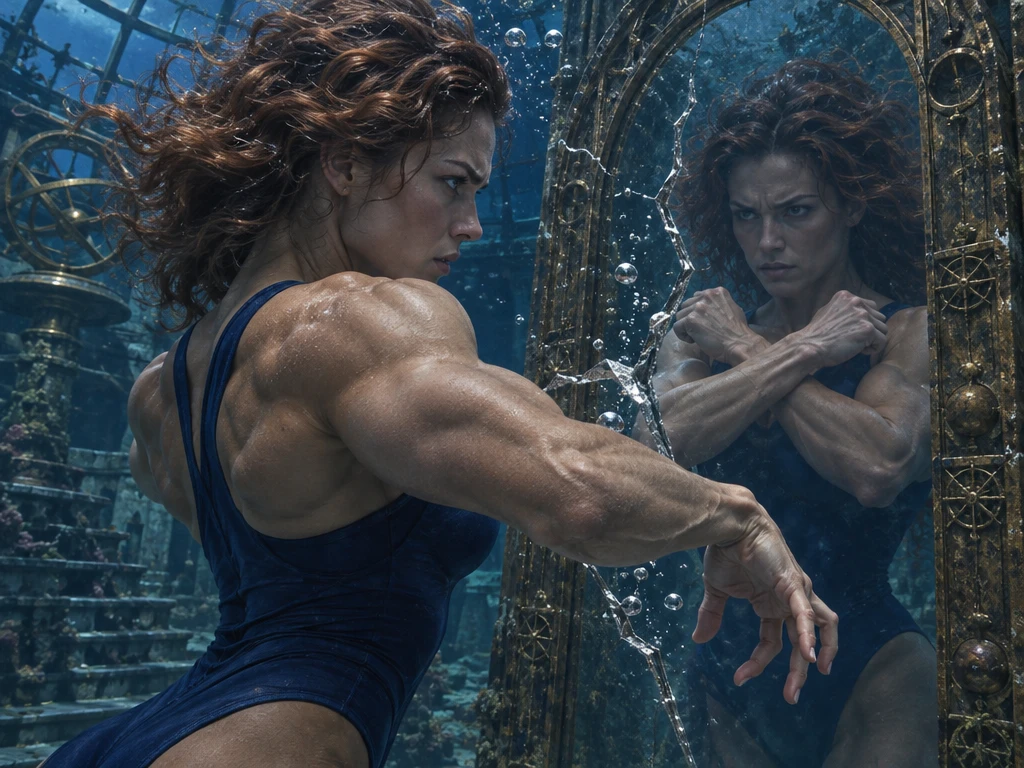
A female muscle fantasy can center on an athletic physique, a bodybuilder’s presence, or a feat of impossible strength. Choose which one the shot is about. A character portrait might use side lighting along the shoulders and back. A strength sequence needs an object whose movement the viewer can follow. A stone door that shifts a few inches tells us more about the heroine’s power than a wide shot filled with unrelated action.
Underwater Bondage Fantasy for Staged Adult Fiction
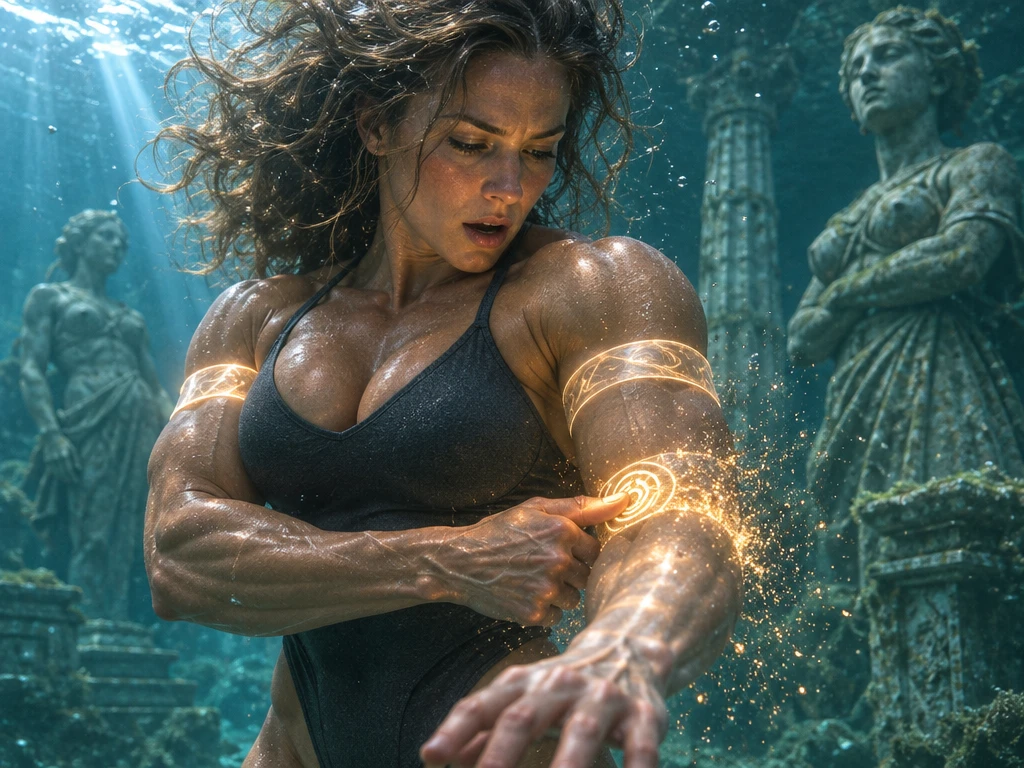
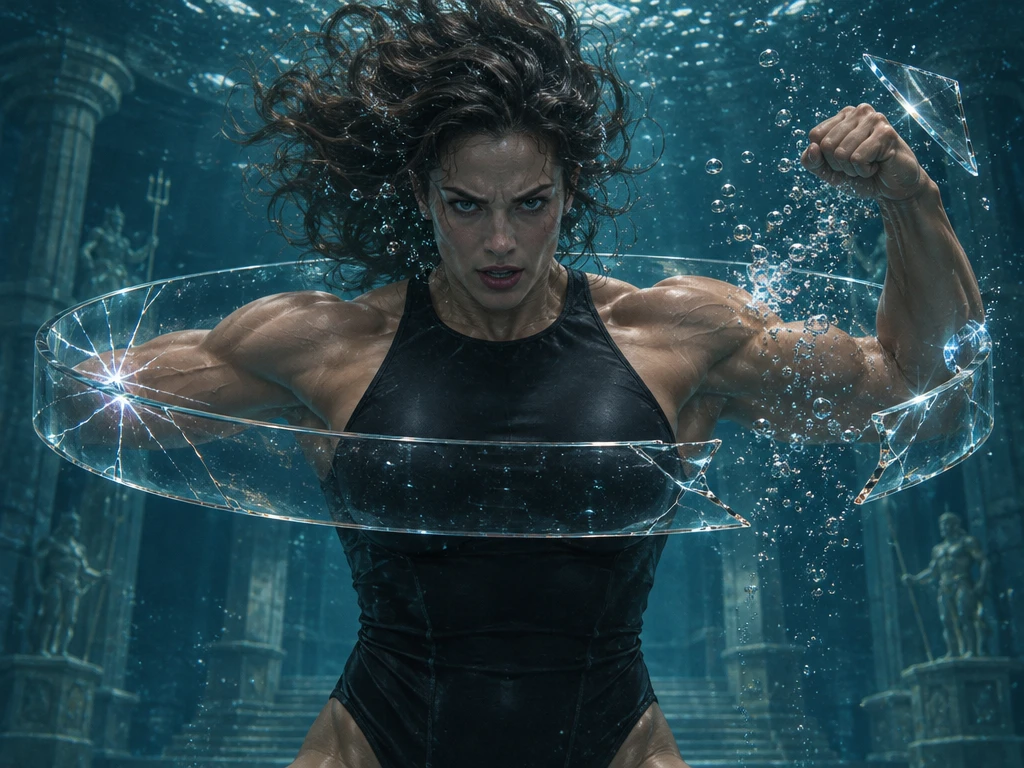
Some adult creators use underwater bondage fantasy to describe fictional scenes built around restraint, limited movement, and the anticipation of release. An enchanted statue garden offers one direction: a fictional adult character pauses inside a ring of luminous bands, studies the symbol holding the spell together, then watches the bands dissolve. The composition gives the character an active role in the story. Use an original adult character or the reference of a consenting adult performer for this digitally staged concept.
Why Create Underwater Fantasy Videos With PicLumen?
- Create an Underwater Close-Up From One Portrait
- Cast Both Sides of a Rescue Story
- Give a Strength Fantasy a Visible Payoff
- Stage an Escape From Original Character Art
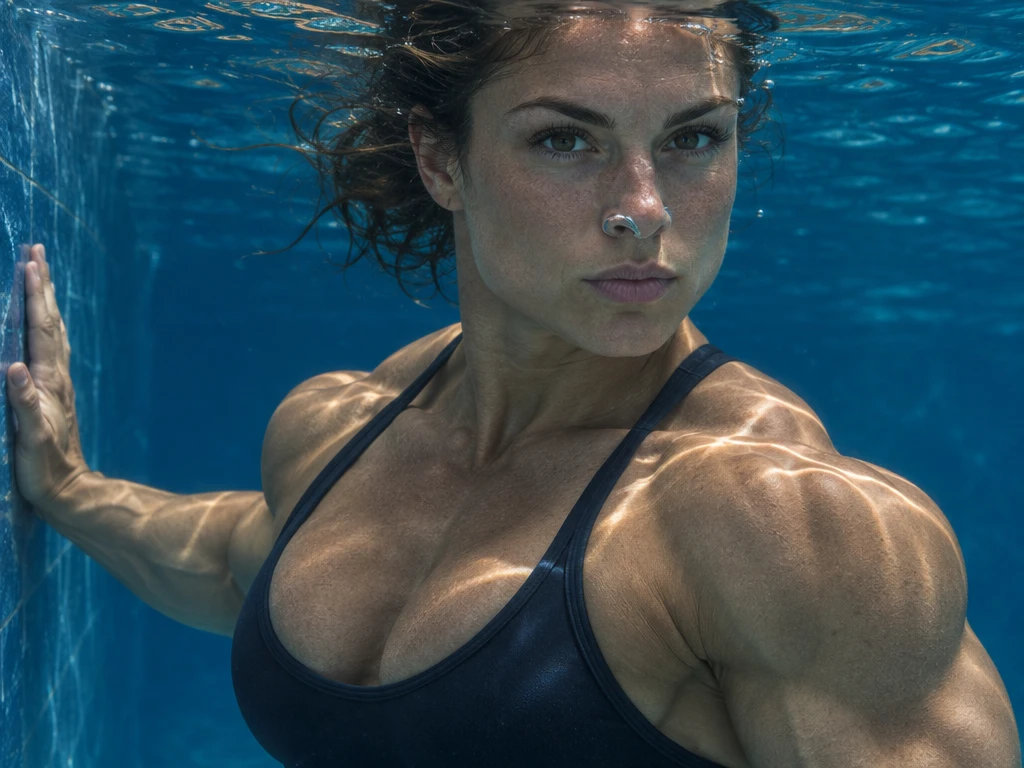
Start with a clear photo taken on dry land. The underwater close-up template adds drifting hair, blue light, and rising bubbles, giving a familiar expression a different mood. A steady gaze works especially well for a breath-holding fantasy clip where the face carries the scene.


Loved by Creators Worldwide
Real feedback from designers, marketers, and hobbyists sharing their PicLumen experience on Trustpilot.
Isuru NilankaIt's easy to use
It's easy to use, they have different AI models, good prices, and a nice community page.
jsbsbsbs hdhdhshwhwVery cool i like it it's so smooth
Very cool i like it it's so smooth
Just amazing website a must try.
Just amazing website a must try.
Awesome program easy to use a little…
Awesome program easy to use a little disappointment in the fact you can’t buy lumies
George PricePicLumen's support team replies quickly…
PicLumen's support team replies quickly to your help requests and they are clear in what they require of you for them to help you. They usually diagnose your problem and offer a solution in less then 24 hours. Stellar service!
 KIDSCARTOON
This ap great and amazing generate pic
This ap great and amazing generate pic
 Elisa Lika
perfect
i think they are very cool and do a great worl with AI
 Piye Chauhan
Nice app generate to google
Nice app generate to google
 Abdul Rafay
Best wishes for the developer
Best wishes for the developer
The best app ever in history
The best app ever in history
Everything
Everything, keep up the good work
 PRZNT GAMING
I really like
I really like, in just few lines you can get good result, also you can generate as detailed images as you want.
Underwater Fantasy Video FAQ
What kinds of underwater fantasy videos can I explore here?
The collection covers underwater peril, breath-holding close-ups, female muscle fantasy, and staged underwater bondage fantasy. The close-up and two-person rescue have dedicated video templates. Strength and fictional restraint scenes are custom creative directions you can build from a character image.
Which template should I use for an underwater peril scene?
Choose Underwater Rescue when the story involves two people. It takes two character photos and places them in a preset cinematic underwater encounter. If you imagine a particular setting, obstacle, or ending, develop that version as a custom scene.
Can I make a breath-holding fantasy video from one photo?
Yes. The single-person underwater template uses one portrait to create a close-up with blue water, drifting hair, and bubbles. Pick a photo where the eyes and mouth are easy to see. A calm portrait taken above water works as the reference.
How do I show female muscle and strength in an underwater scene?
Start with an adult character reference that shows the build and pose you want. For a physique portrait, frame the shoulders and torso clearly. For a strength sequence, include a visible consequence in the shot, such as a wheel turning or a heavy gate beginning to open. That gives the movement a purpose.
What does underwater bondage fantasy mean in this collection?
It refers to digitally staged fiction involving adult characters, restricted movement, and a fantasy setting. A spell, a ring of light, or a mechanical chamber can establish the premise visually. This collection presents it as a custom storytelling theme, with room to design the character’s response and the release.
Can I create an underwater image first and animate it later?
Yes. Develop the still until the character, costume, and setting are easy to read. Then use Image to Video to describe one movement, such as hair drifting across a shoulder or light traveling over a gate. Starting with one action makes the result easier to assess.
Do I need to film anything underwater?
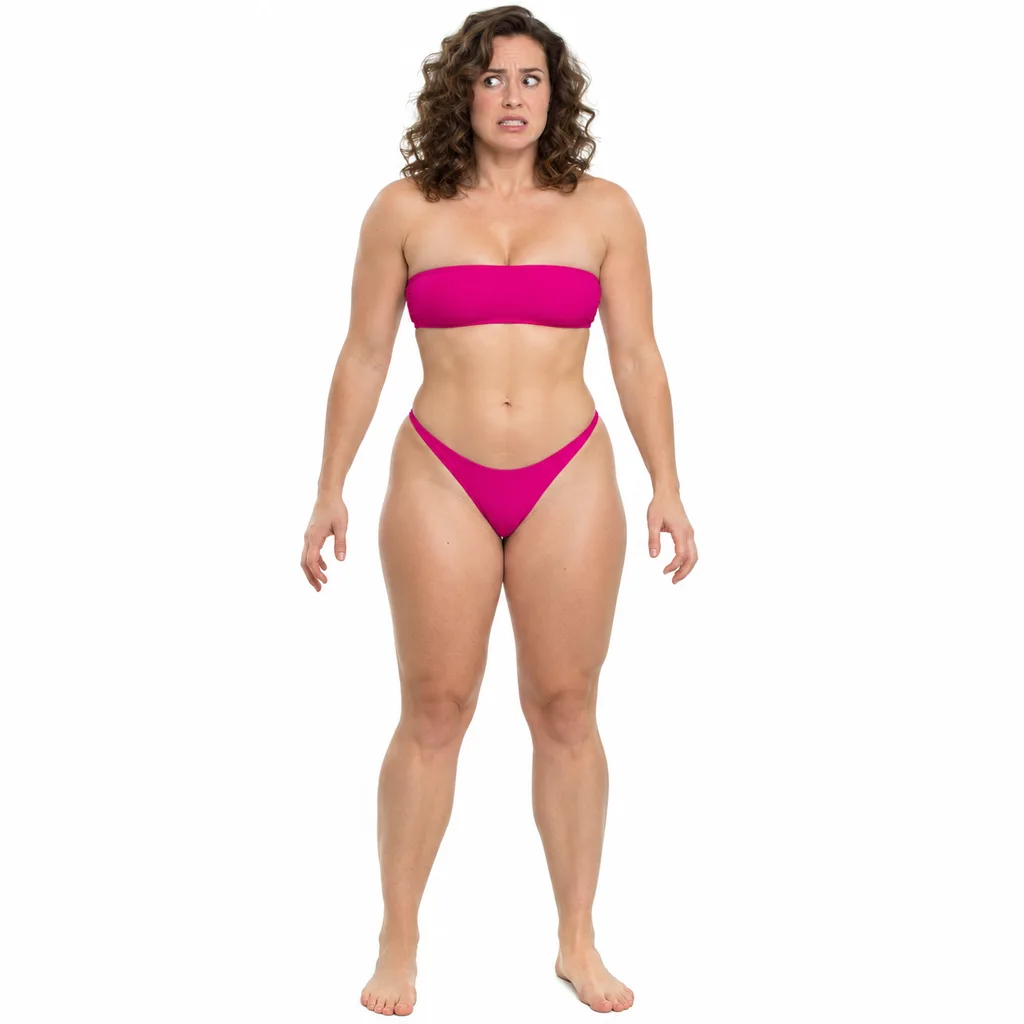
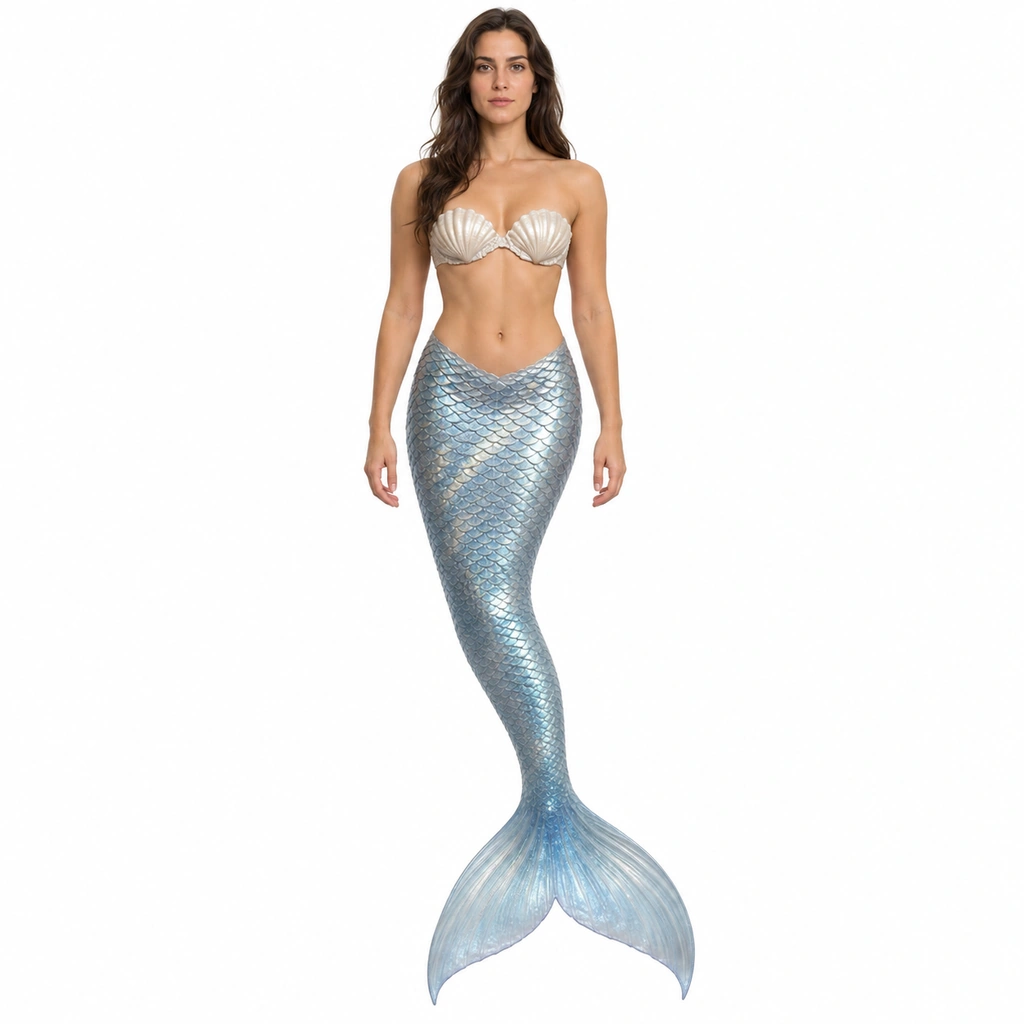
No. The portrait-based templates start from photos, and a custom scene can start from digital character artwork. For the rescue template, prepare two portraits. For a solo underwater close-up, one clear photo is enough.