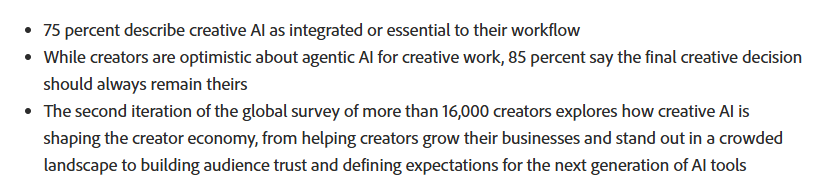
Adobe's 2026 Creators' Toolkit Report surveyed more than 16,000 creators. It found that 75% now see creative AI as part of their workflow or an essential tool. Still, most creators believe that people should make the final creative choices.
 That fits the main shift in AI images this year. A clean result is easy to make. A fresh idea is not.
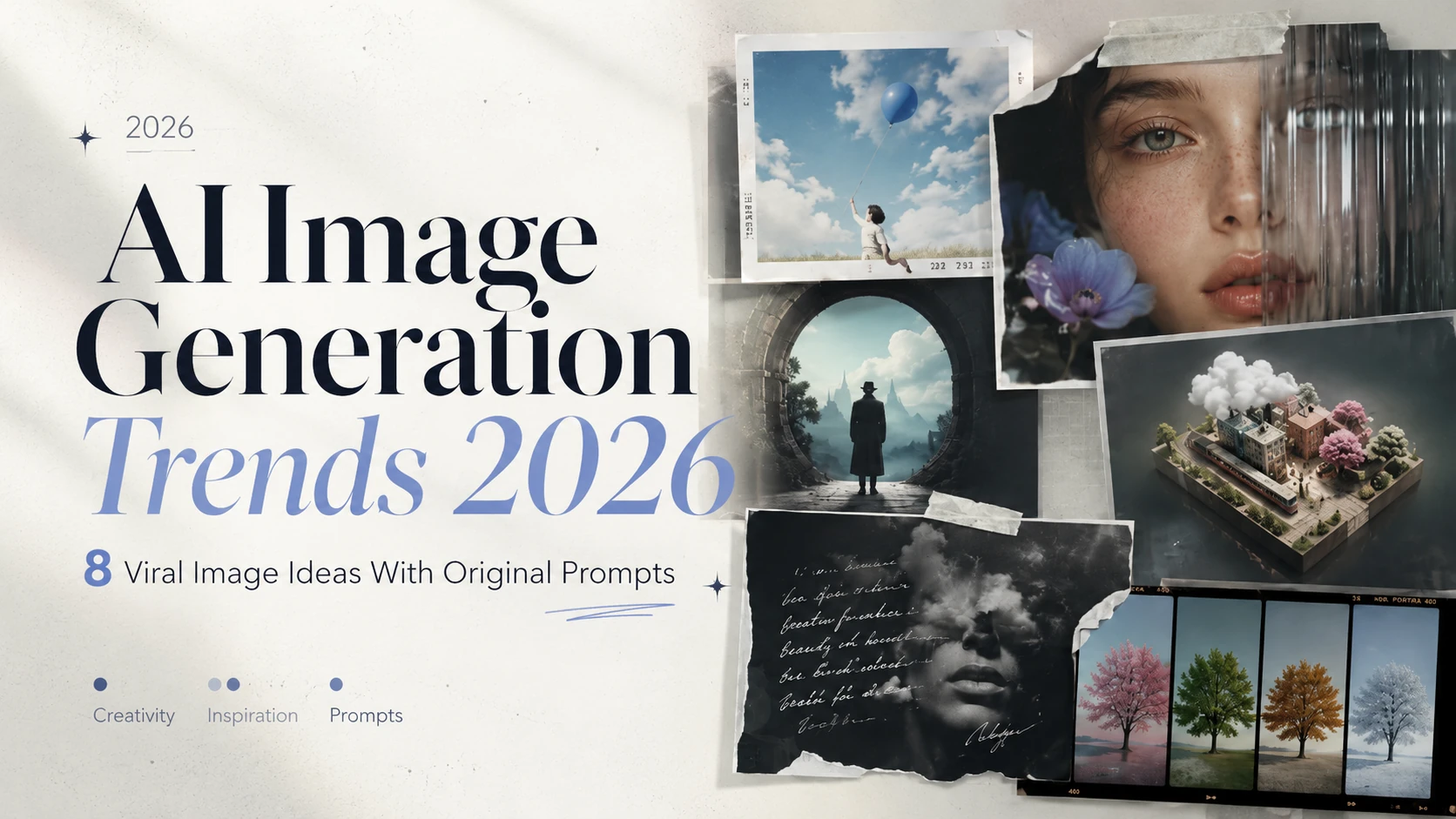
Here are eight AI image generation trends 2026 creators can turn into personal posts, image sets, and short visual stories.
That fits the main shift in AI images this year. A clean result is easy to make. A fresh idea is not.
Here are eight AI image generation trends 2026 creators can turn into personal posts, image sets, and short visual stories.
What AI Image Trends Are Popular in 2026?
Many current AI image trends are built around memory, identity, time, and storytelling. Instead of adding one art style to any photo, creators are starting with a clear idea that viewers can understand at once. This is not a fixed ranking. Social trends change quickly, and no public list tracks every platform in one place.
1. The "2026 Is the New 2016" Photo Revival
This trend brings back the casual look of 2016 social media. Think old phones, wired earphones, bedroom mirrors, bright filters, and photos that were never carefully planned.
Original Prompt: "A rushed bedroom mirror selfie taken before a concert in summer 2016. A rose-gold phone covers part of the subject’s face, and wired earphones hang from one hand. Concert tickets are tucked into the mirror frame. Cheap fairy lights are on during the day, while an unfinished iced coffee sits beside a sticker-covered laptop. Weak indoor light, bright early Instagram colors, low phone-camera quality, casual framing, no modern devices."
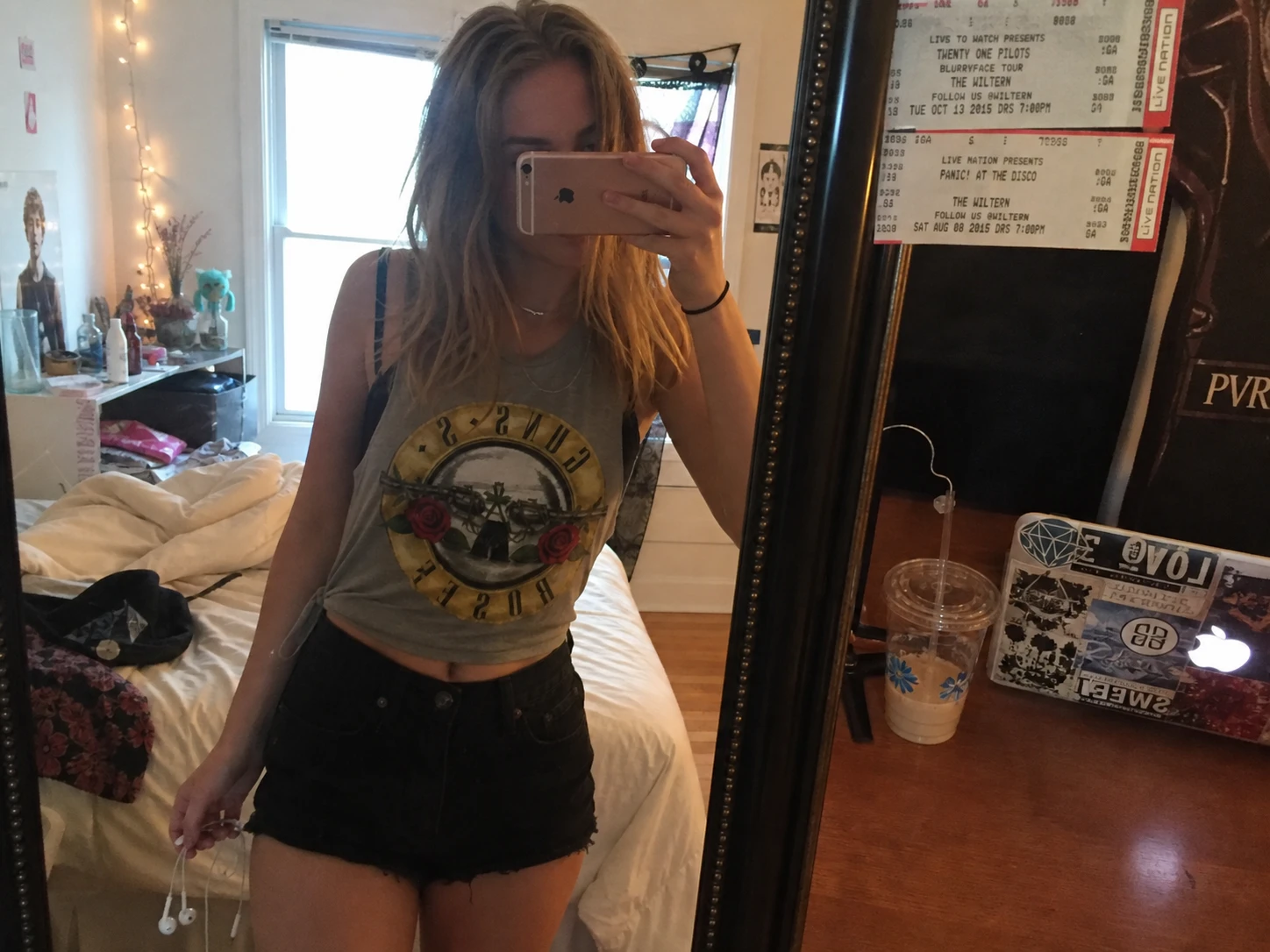
The details need to match the period. A faded filter alone will still look like a modern photo.
Use a real memory as the base. A school morning, old bedroom, first concert, or family trip will give the image more character.
2. Historical POV Images
Historical POV images show the past through the viewer's eyes. Hands, clothes, tools, and nearby objects help explain who the viewer is and where the scene takes place. This format has become visible enough on TikTok to be studied by researchers. A 2026 paper found that these first-person history posts often use emotional events, but may also contain errors.
Original Prompt: First-person view from a printmaker opening a small workshop in Amsterdam in 1672. Ink-stained hands lift a wooden shutter. Morning light falls across metal type, folded paper, and a half-finished poster. A wool coat hangs near the door, and a customer waits outside beside a canal. Tools and clothes that fit the period, soft colors, ordinary daily detail, no modern objects or fantasy elements.
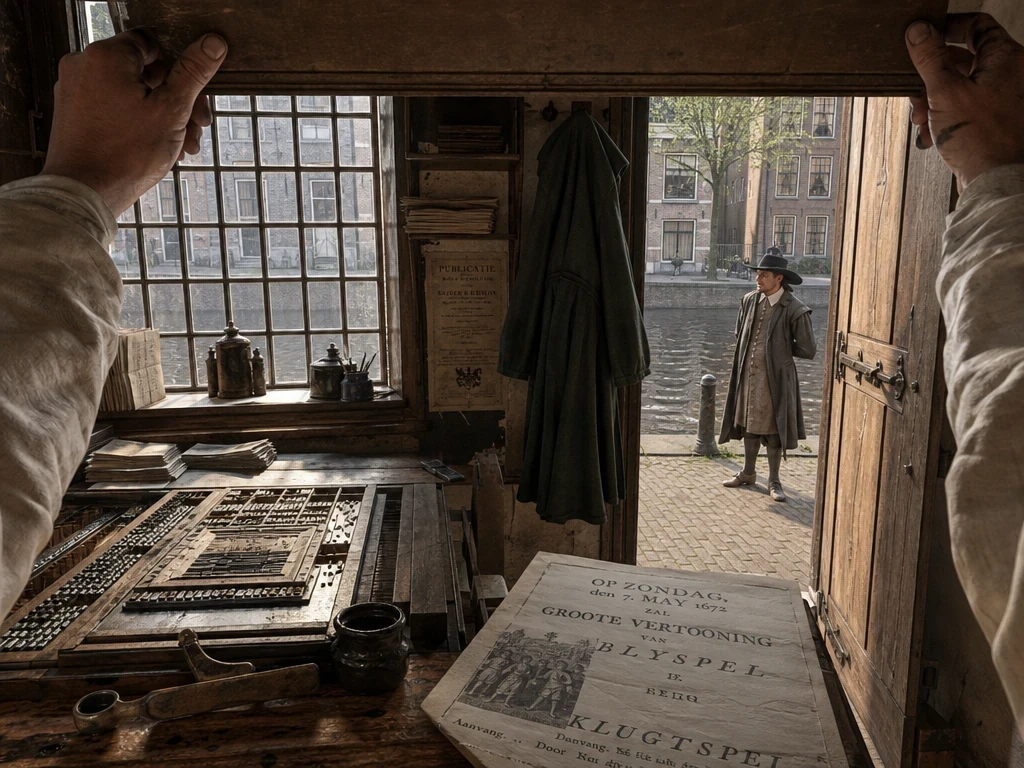
A daily task often feels more real than a famous battle. Check the objects, buildings, and clothes before calling the result historically correct.
3. Parallel-Life Portraits
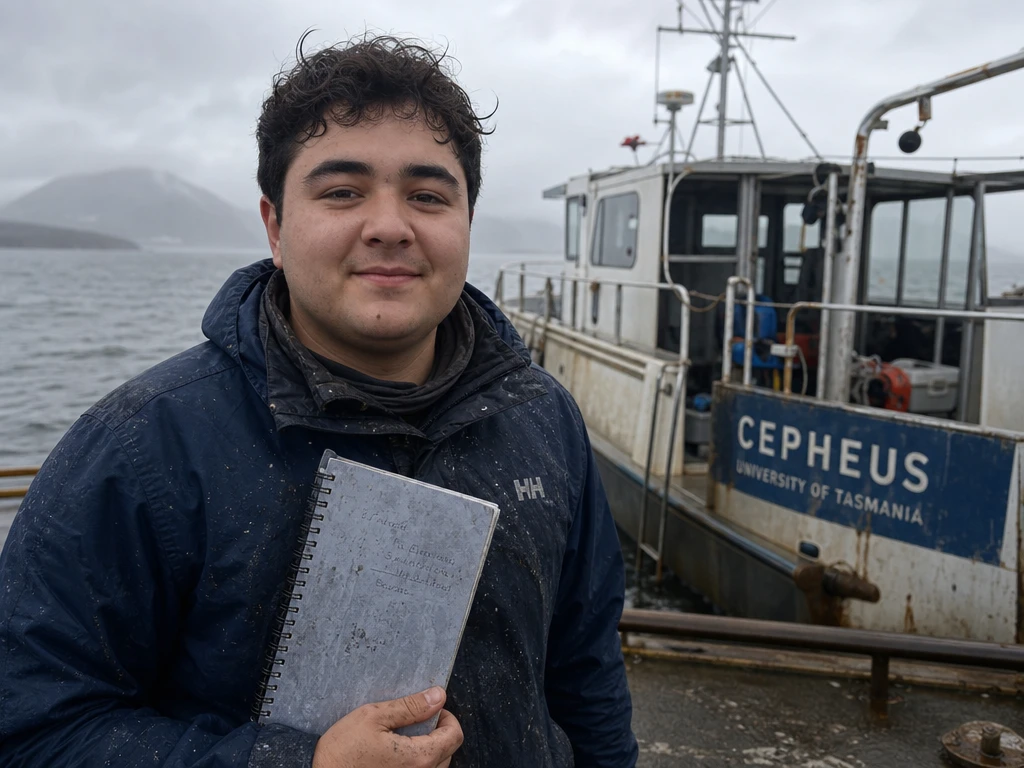
Parallel-life portraits show the same person living several possible lives. One version may work on a research boat, while another owns a small bookshop or plays in a touring band. The face should stay easy to recognize. The life around it is what changes.
Original Prompt : "Keep the person from the reference image easy to recognize. Keep the round face, short dark curls, thick eyebrows, and small scar near the chin. Show them as a marine biologist returning from a morning trip near Tasmania. They stand beside an old research boat and hold a wet field notebook. Add simple waterproof clothing, cold wind, grey skies, and a natural documentary photo style. No hero pose."
For another version: "Show the same person opening a small secondhand bookshop in a mountain town. Keep the same face, short dark curls, thick eyebrows, age, and small chin scar. They carry a stack of worn books while unlocking the front door at dawn. Warm golden light spills out from inside the shop and contrasts with the icy blue morning outside. Frost clings to the window edges, and a faint mist hangs in the cold air. Old book posters, weathered wooden shelves, and uneven stacks of secondhand books are visible through the glass. Add a cinematic street-photo look with strong color contrast, layered depth, dramatic natural lighting, and a slightly low camera angle for more visual impact. The mood should feel quiet, vivid, and emotionally rich, with simple clothing and a realistic but striking composition."
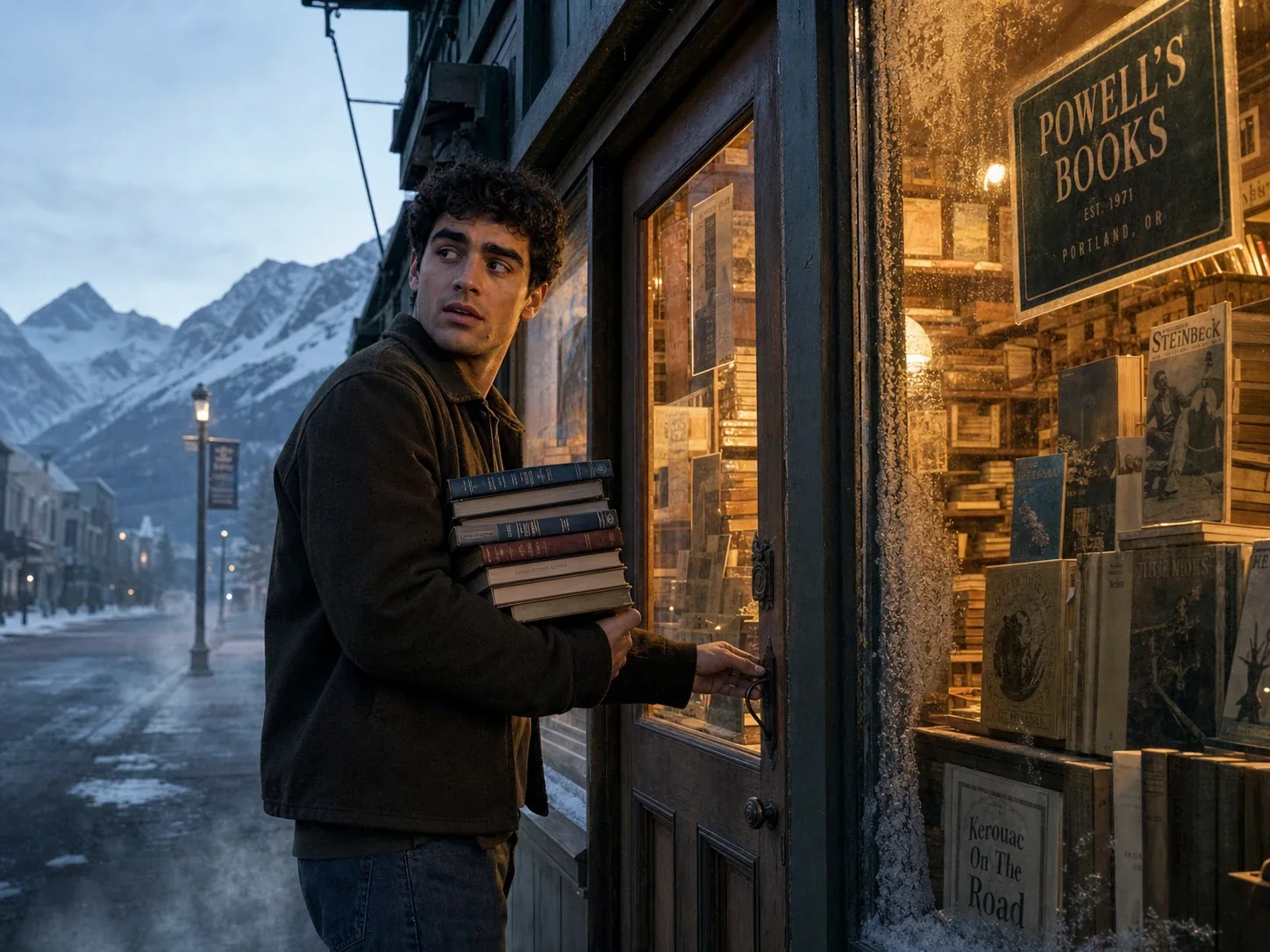
Use a similar camera distance and image ratio across the set.
4. Miniature Worlds Built From Real Places
Miniature-world images shrink a place, job, or daily activity into a small scene. A restaurant may sit inside a bamboo steamer, while tiny workers repair a camera or build a shoe. The strongest ideas connect the small world to the object around it. This makes the scene feel planned rather than random.
Original Prompt: "A detailed miniature British afternoon tea room built inside a vintage porcelain teapot. Tiny staff arrange scones, finger sandwiches, and Victoria sponge, while guests sit at small tables with teacups and silver cutlery. Steam curls around floral wallpaper, wooden beams, and warm hanging lights. Add English-only menus and reservation cards. Use soft afternoon light, shallow depth of field, and a close-up view. Make it look handcrafted and refined, not like a plastic toy."
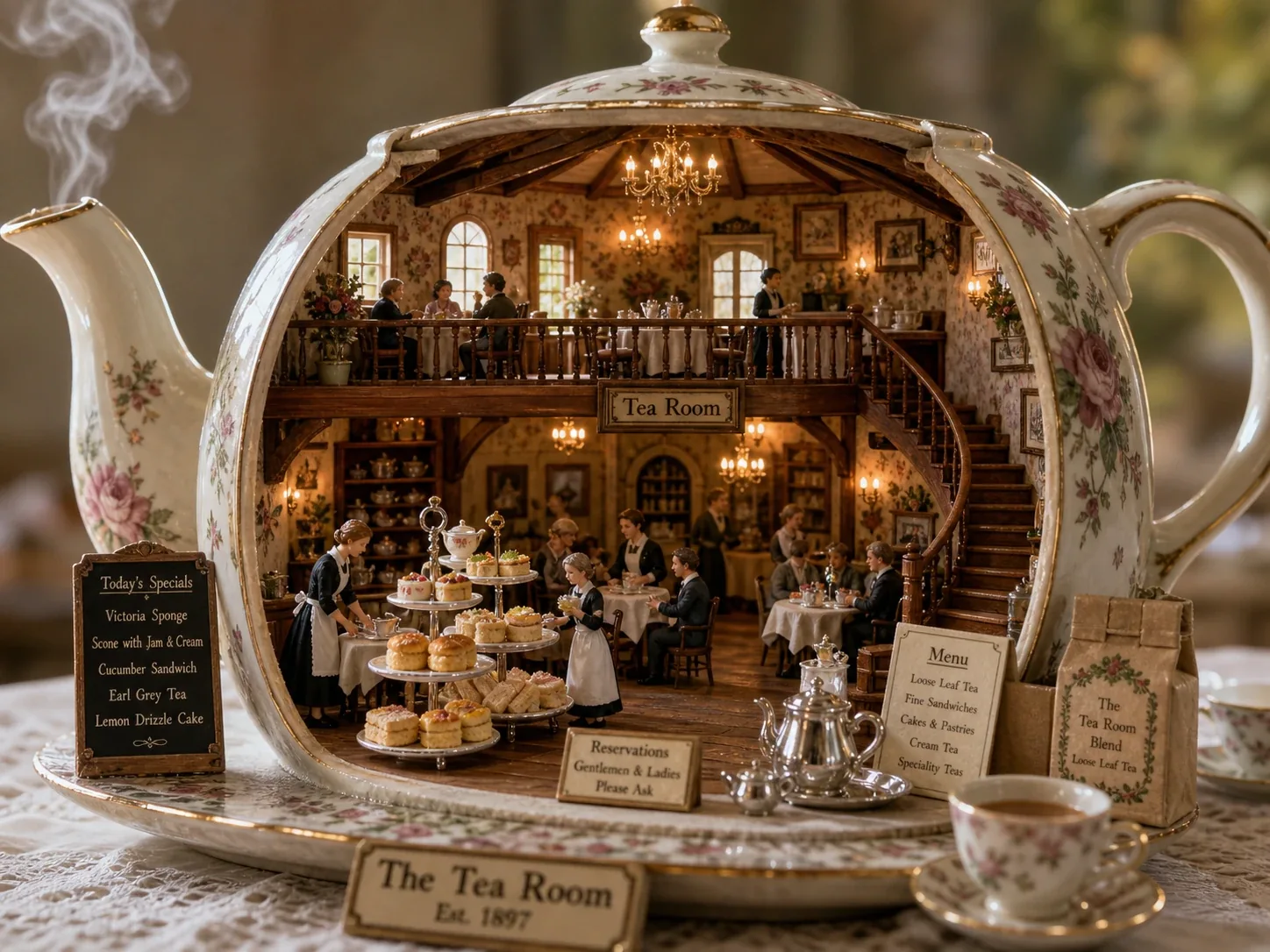 Choose a link that makes sense. A repair shop inside a camera or a flower market inside a watering can will usually work better than two unrelated ideas.
5. One Subject Across Four Decades
This trend keeps one person, room, product, or place in the same position while the year changes. Clothing is only one part of the change. Furniture, cars, signs, devices, and photo quality should also fit each decade.
Original Prompt (Start with the earliest year):"The same narrow corner café photographed from across the street in 1966. Keep the two front windows, tiled entrance, striped awning, and balcony above. Add painted menu boards, wooden chairs, metal coffee tools, bicycles near the curb, and faded color film. No modern logos, screens, plastic furniture, or new cars."
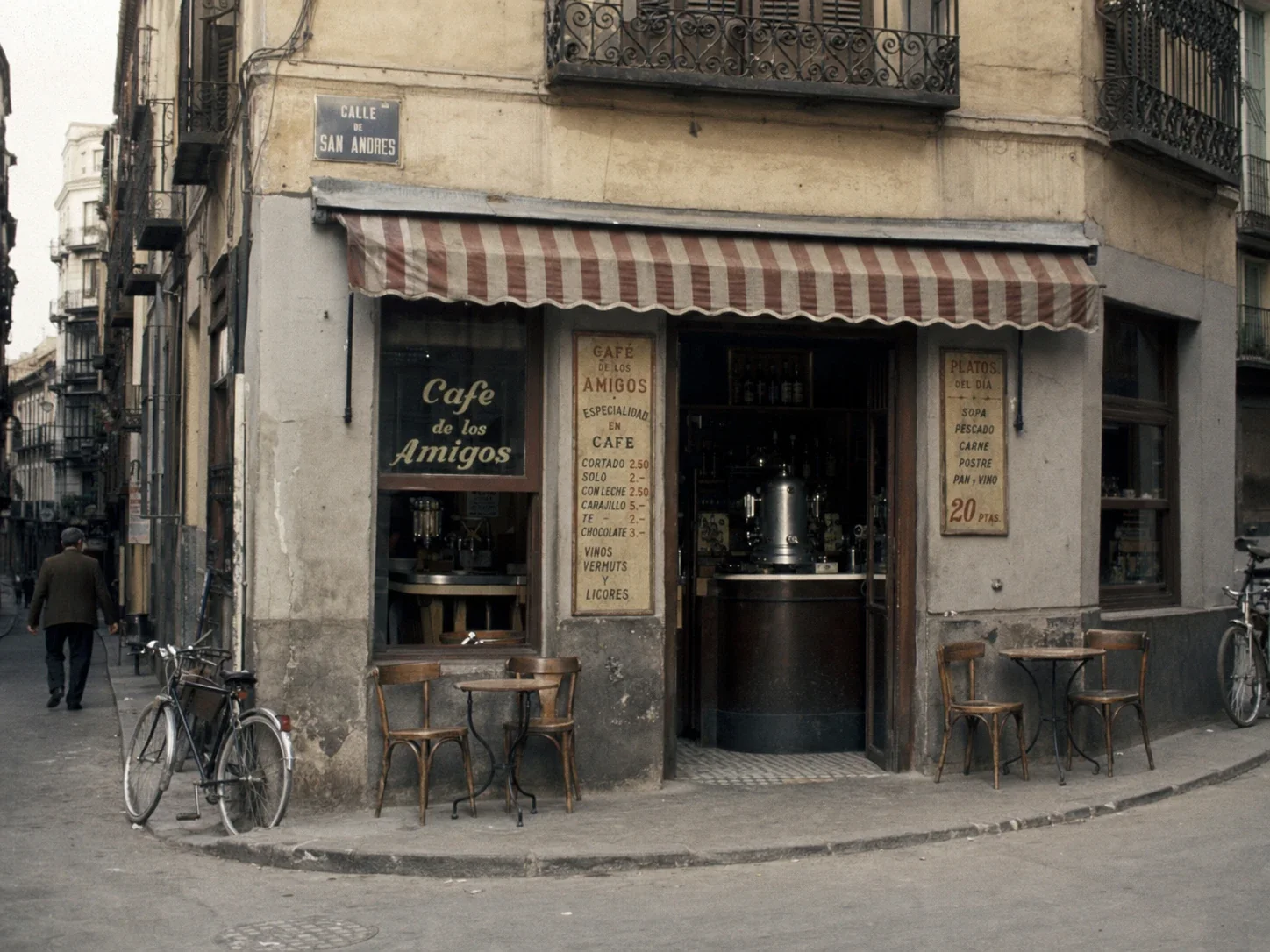 Create separate versions for 1986, 2006, and 2026. Repeat the fixed building details in every prompt so the place remains easy to recognize.
This format also works with bedrooms, cars, fashion portraits, and product packaging.
Create separate versions for 1986, 2006, and 2026. Repeat the fixed building details in every prompt so the place remains easy to recognize.
This format also works with bedrooms, cars, fashion portraits, and product packaging.
6. AI Polaroids of Imagined Memories
AI Polaroids bring two separate subjects into one old-looking photo. The moment may never have happened, but the casual instant-camera look makes it feel personal. The scene does not need a large hug or dramatic pose. A small shared action often feels more natural.
Original Prompt : "Use both reference photos to create one instant-camera photo. Place the two people at a busy family barbecue in the late afternoon. They lean toward each other after someone calls their names. Keep both faces close to the reference photos. Add direct flash, soft edges, uneven light, a thumb covering one corner, folding chairs, and paper plates in the background. Make the moment feel warm and unplanned."
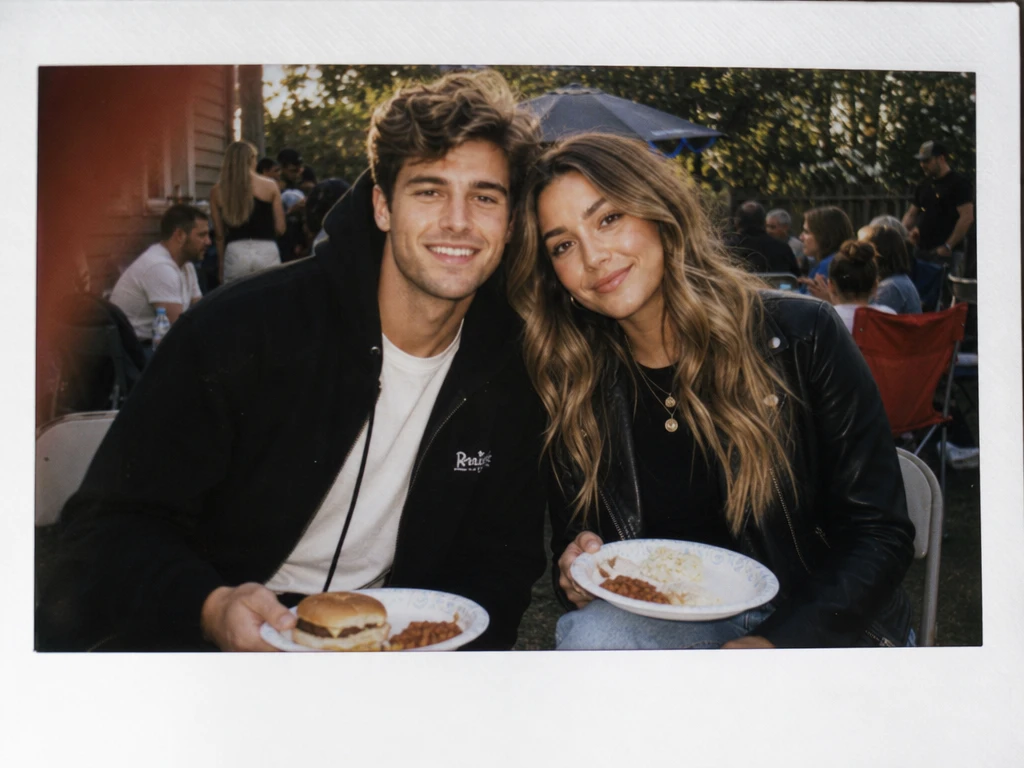 Label the result as AI-made when it includes a deceased person, a private family moment, or someone who did not agree to appear.
7. "Draw Me From What You Know" Images
This idea asks AI to turn a person’s job, habits, and interests into one scene. A strong result does not place random hobby icons around a portrait. The room, objects, and action should show the person without needing a long caption.
Original Prompt : "Create a magazine-style illustration of an independent fashion designer preparing for a small runway show. She works at a long table covered with fabric samples, sketches, pins, thread, and half-finished garments. One side of the studio is neat and carefully planned, while the other is filled with coffee cups, rejected designs, and open boxes. A bright task light falls across the final outfit on a dress form. Warm, stylish, detailed, and slightly playful."
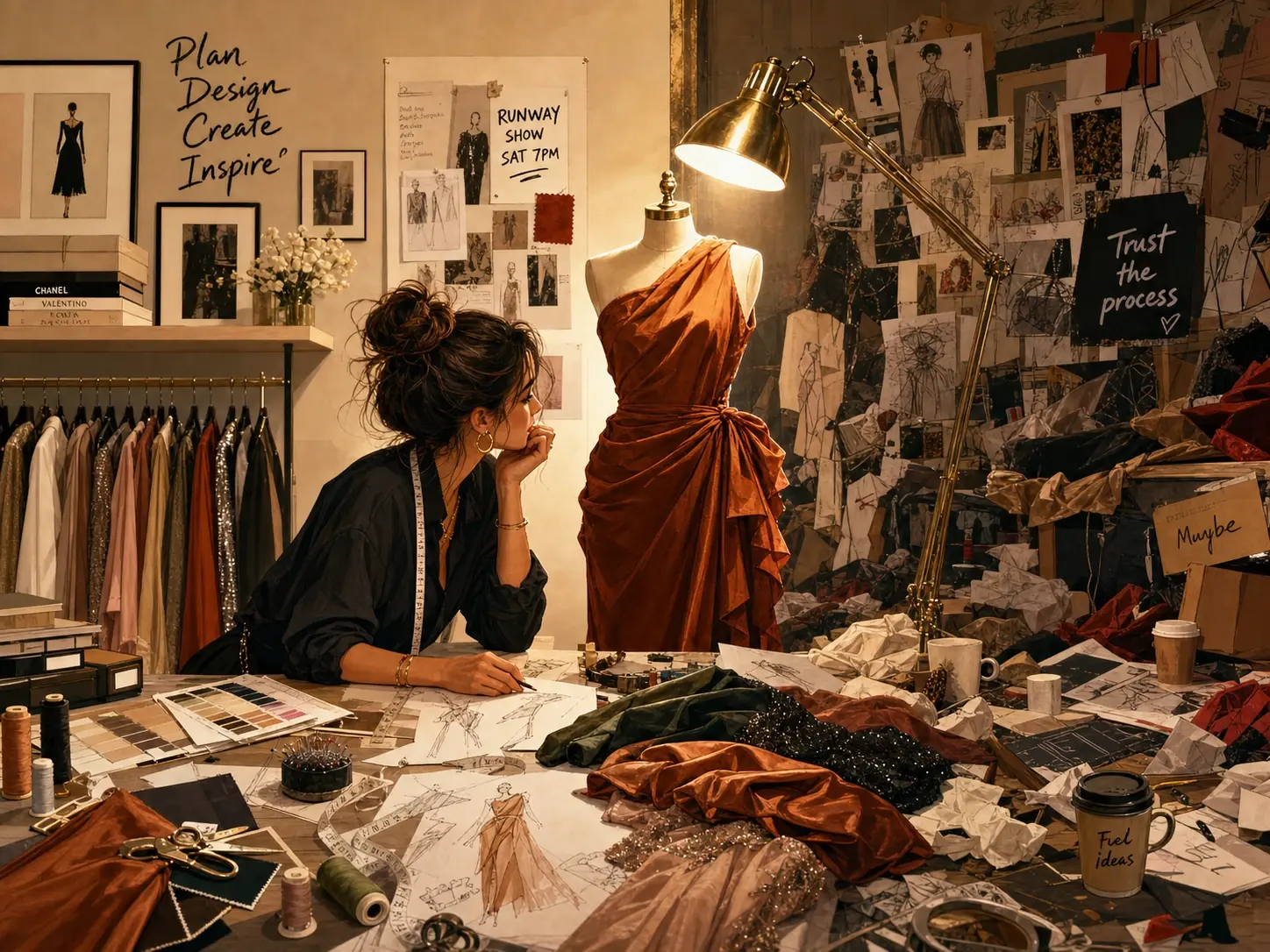
Give the model several real facts. A small contrast, such as being neat at work but messy at home, can make the image feel more personal.
8. Mystery Image Carousels
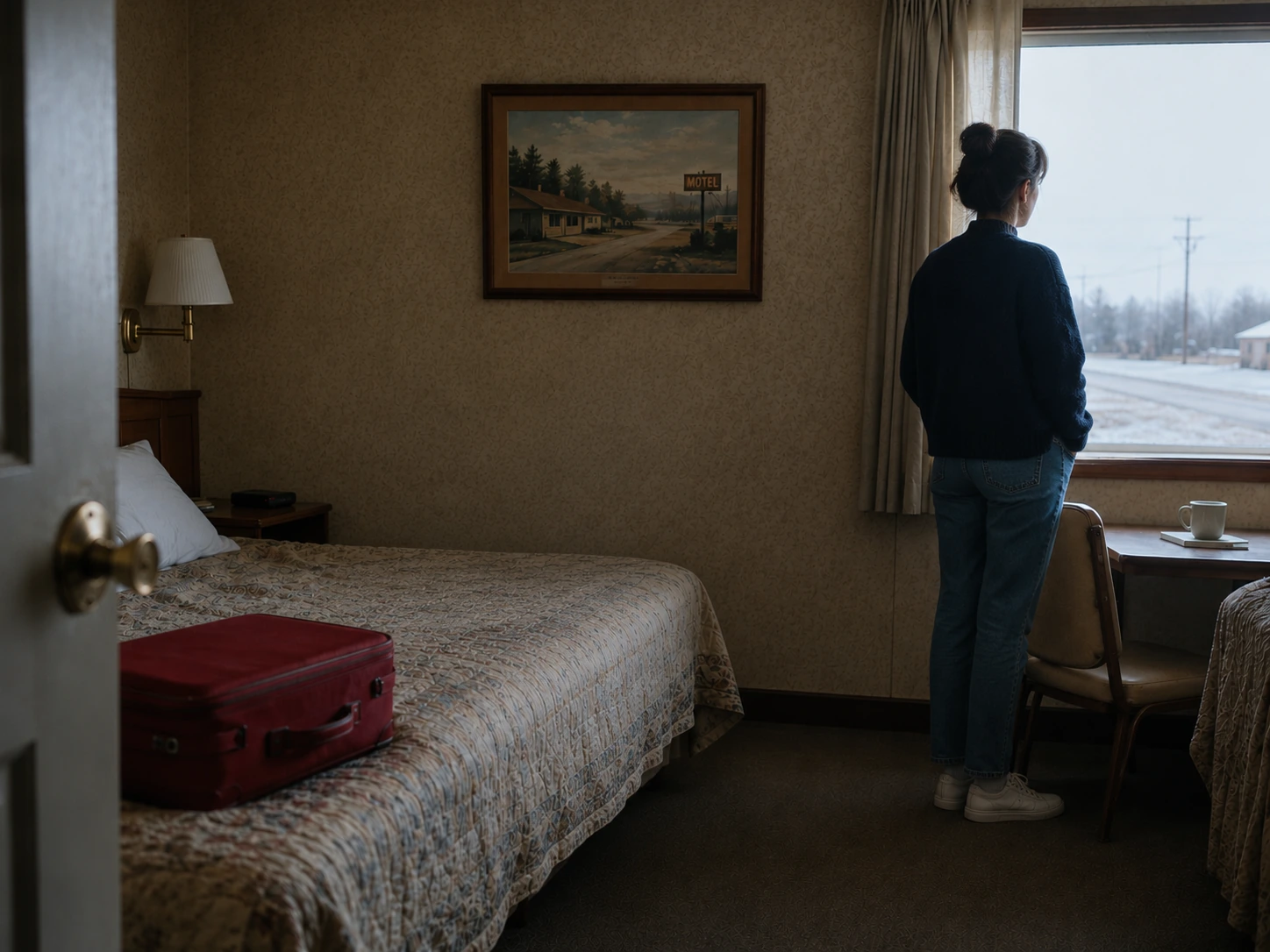
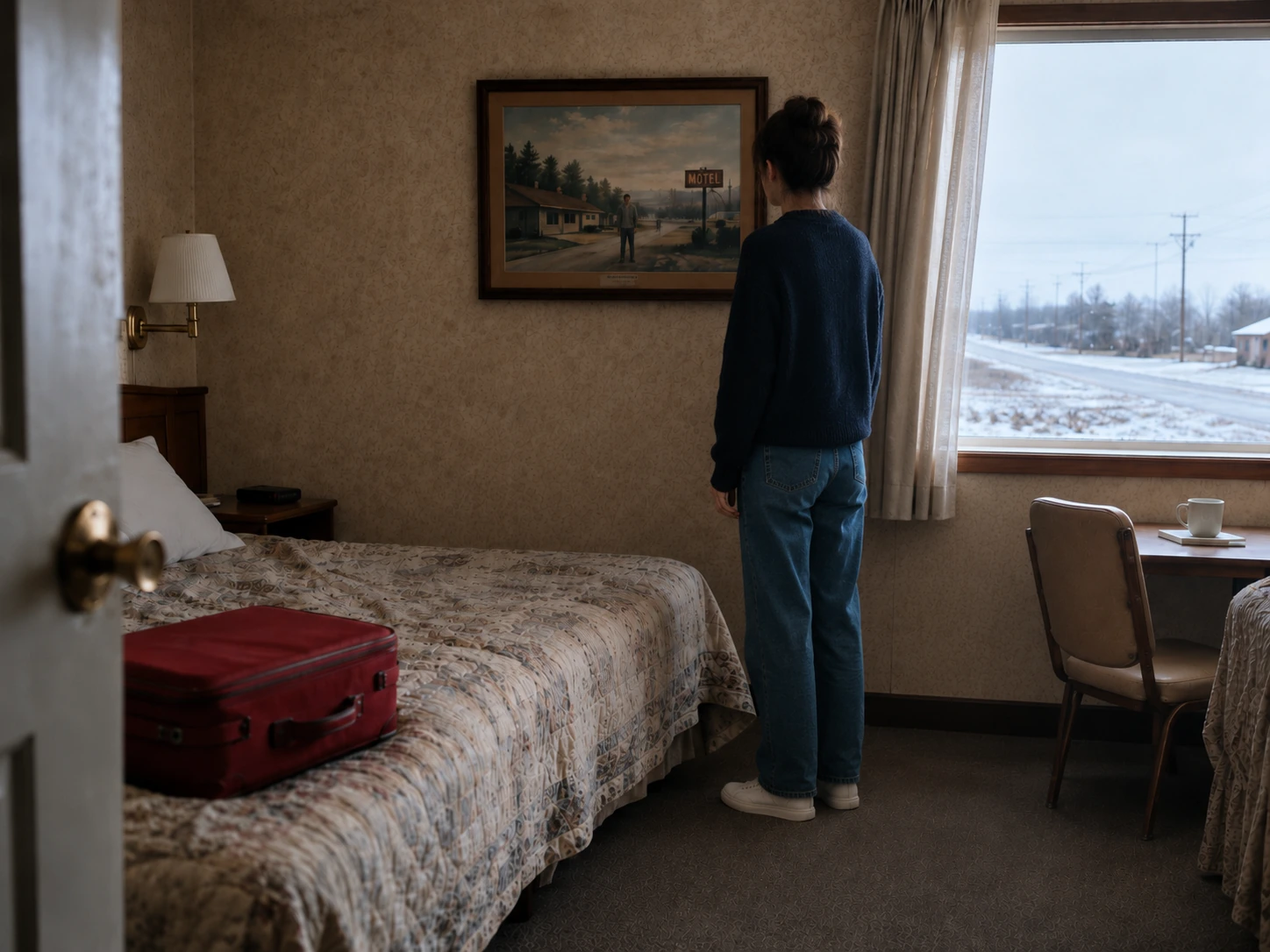
A mystery carousel tells a short story across several images. The first frame feels normal, but each new image adds something that does not belong. The ending can stay open. One clear question is often enough to keep people swiping.
Original Prompt Series
Frame 1: "A quiet roadside motel room at 6:30 a.m. A woman in a navy sweater sits on the bed and ties her shoes. Beige wallpaper, one framed landscape picture, a red suitcase, pale winter light, real photo style, fixed camera position near the door."
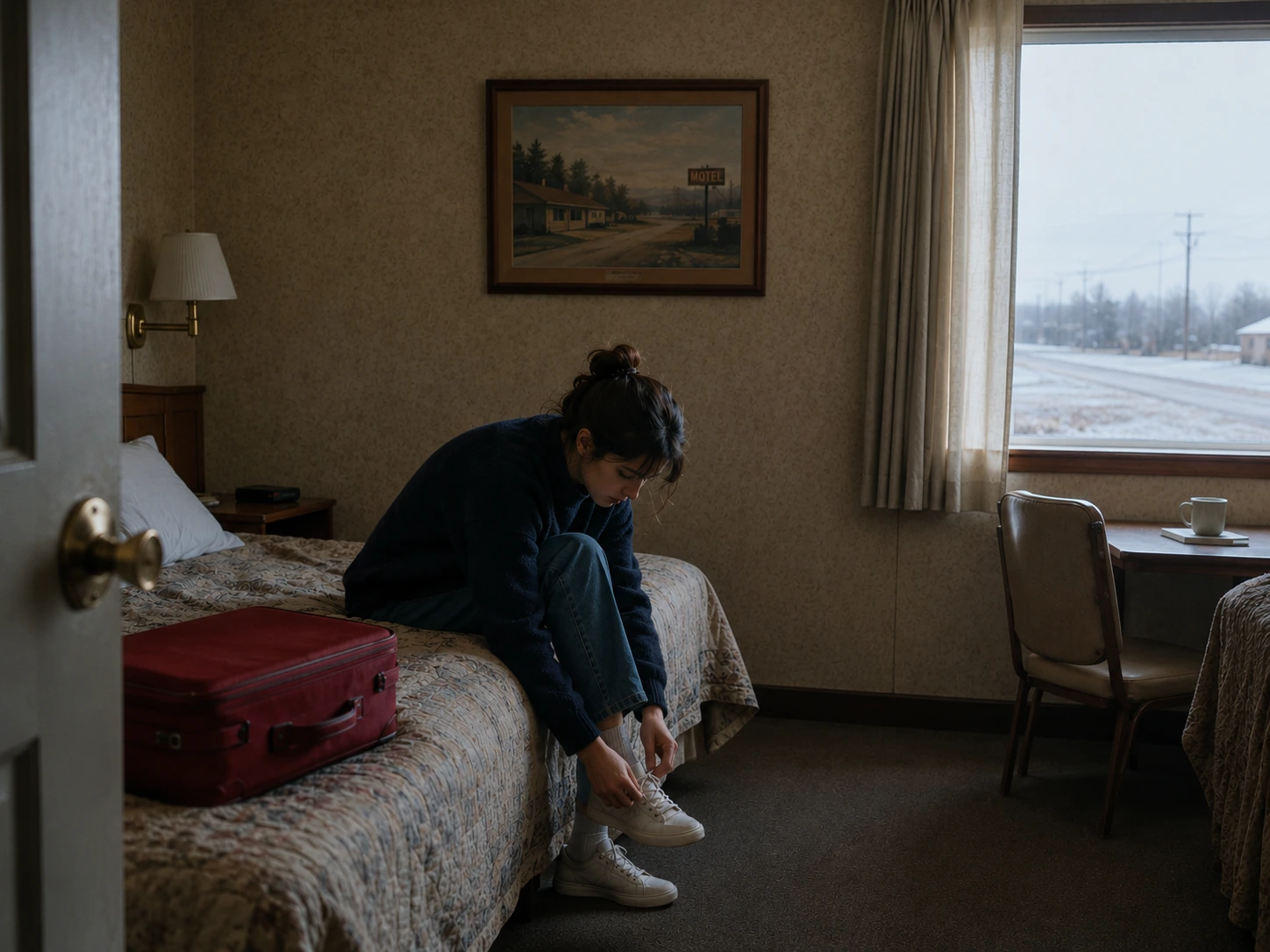
Frame 2: "Keep the same motel room, woman, clothes, suitcase, furniture, wallpaper, light, and camera position. She is now standing beside the window."
Frame 3: "Keep the room unchanged. The woman is closer to the framed picture. The small person inside it is now standing outside the painted motel and looking toward the viewer."
Frame 4: "Keep the same room and camera position. The woman is gone. Her red suitcase is open on the bed. Inside the framed picture, two people are walking away down the road."
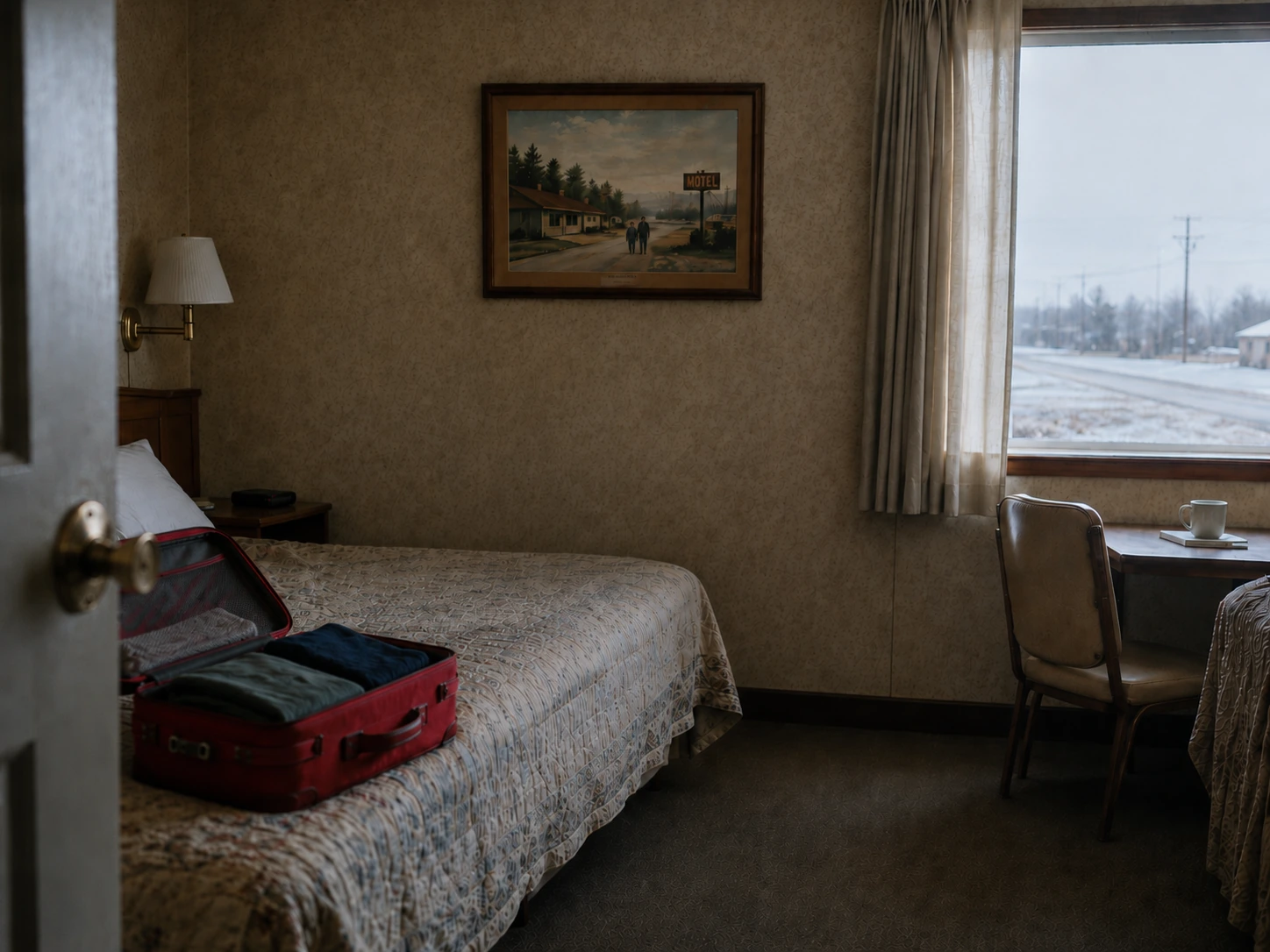 Repeat the key room and character details in every prompt. Writing only “same scene” may not keep the layout stable.
Which AI Image Trends Work Best on TikTok?
The best AI image generation trends TikTok creators can try usually include a reveal. Parallel lives, decade changes, imagined Polaroids, historical POVs, and mystery stories all work well in photo mode. The first image should make sense on its own, while still giving viewers a reason to swipe. Music and a short caption can help even when the images do not move. Use 9:16 when you want each image to fill the screen. A 4:5 ratio gives the setting more space and also works well for Instagram carousels.
How to Spot the Next AI Picture Trend
A useful trend should be easy to explain and flexible enough to change. "Show the same café across four decades" is a clear format. It can also work with a bedroom, a car, or a person. That makes it more useful than a trend linked to one exact image. Recent posts matter more than old view counts. A format may still appear in search after creators have stopped making new versions. The main question is whether people can add their own face, place, memory, or story.
How to Recreate a Trend Without Copying It
Start by finding the basic idea behind the post. For a decade series, the idea may be: One fixed subject shown in several years from the same camera angle. Keep that format, then change the subject, location, years, mood, and story. A real place or personal memory will often make a stronger result than the first example already seen online. Avoid copying another creator’s full prompt or exact image layout.
How to Try These AI Image Generation Trends on PicLumen
PicLumen is an AI image and video creation platform with several image models in one workspace. Its Hub and creator community can also help you find prompts, visual ideas, and work shared by other users before you start your own version.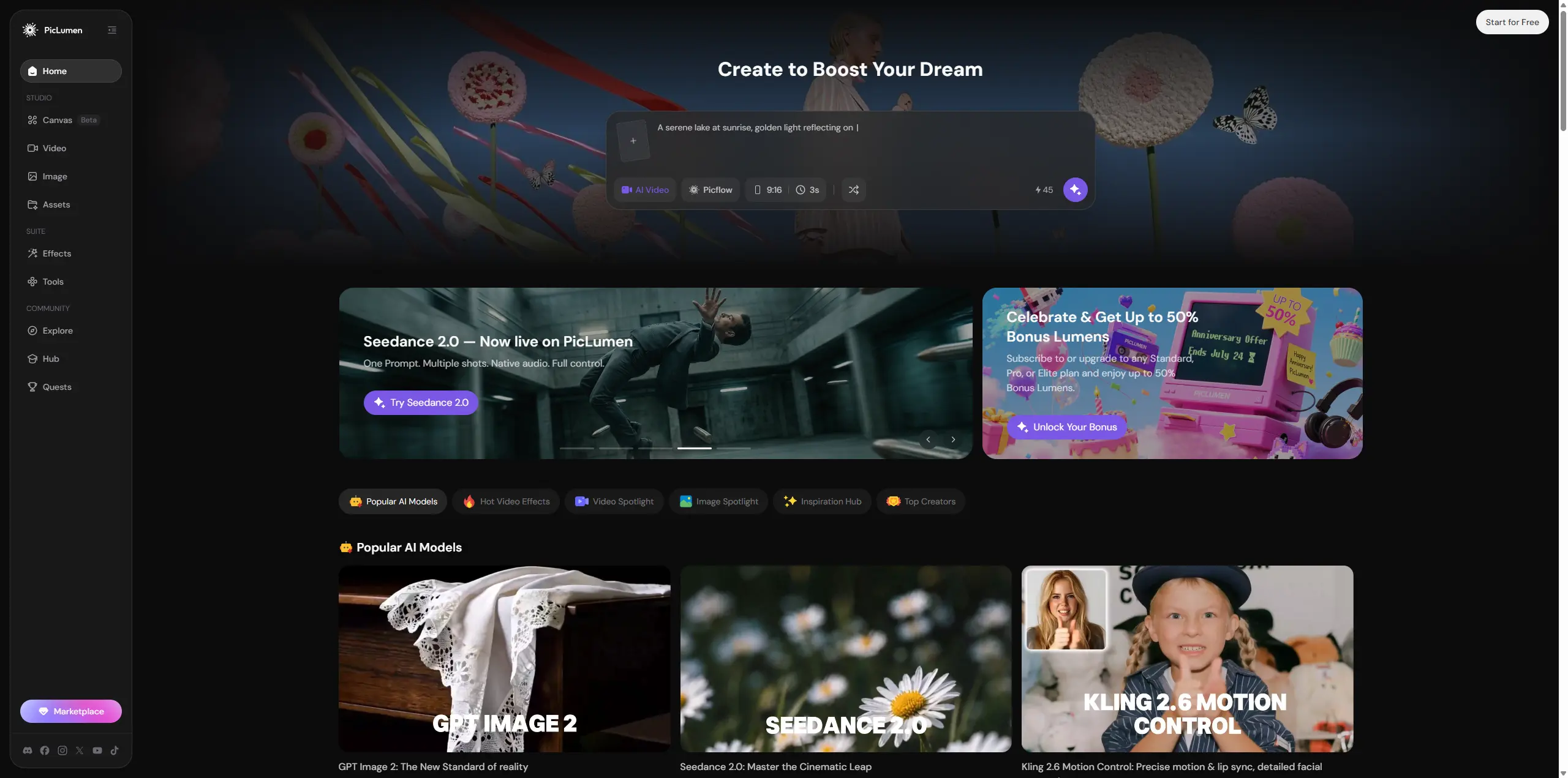 Step 1. Choose a Model
Open PicLumen's AI image generation area and select a model, such as GPT Image 2.0, Nano Banana 2, or Midjourney V8.1.
Step 2. Add Your Input
Enter a prompt to create an image from scratch, or upload a reference image when a face, place, or product needs to stay recognizable.
Step 1. Choose a Model
Open PicLumen's AI image generation area and select a model, such as GPT Image 2.0, Nano Banana 2, or Midjourney V8.1.
Step 2. Add Your Input
Enter a prompt to create an image from scratch, or upload a reference image when a face, place, or product needs to stay recognizable.
Step 3. Set the Format
Choose the aspect ratio and resolution. Use 9:16 for TikTok, 4:5 for carousels, and 16:9 for blog covers.
Step 4. Generate the Image
Generate the result and check the face, hands, background, and key details. Refine the prompt when needed, then download the final image.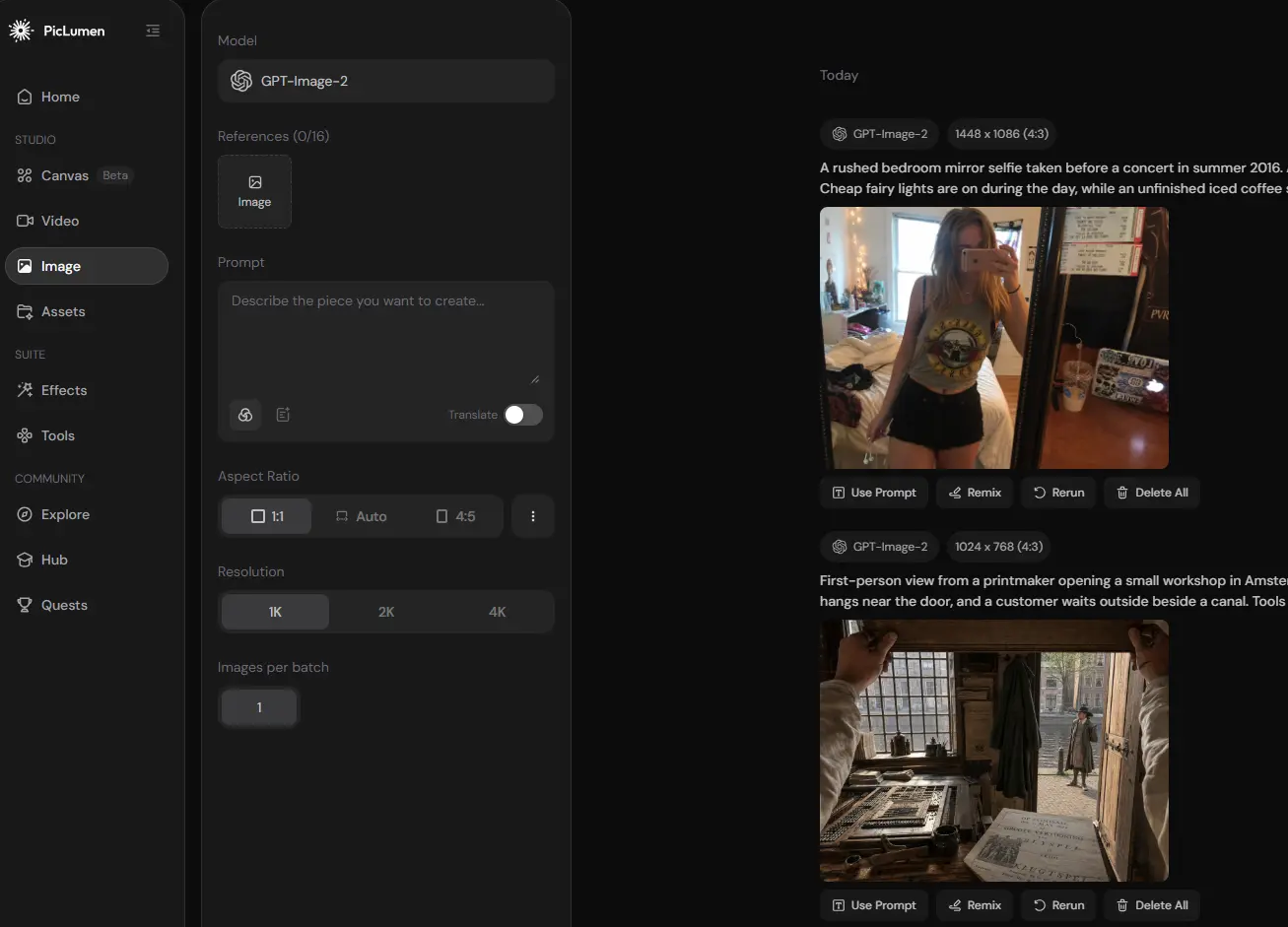
Conclusion
The most useful AI image generation trends 2026 has brought forward are easy to understand and open to personal changes. You can rebuild an old memory, picture another version of your life, enter a past setting, or turn a simple scene into a short image story. The final result still depends on the idea and the choices made along the way. PicLumen is a practical place to test these ideas because it brings several popular image models into one workspace. You can also browse its Hub and creator community for prompts, visual references, and new ways to adapt a trend before creating your own version.
Frequently Asked Questions
What AI image trends are popular in 2026?
Popular AI image trends in 2026 include 2016-style photos, historical POV scenes, parallel-life portraits, miniature worlds, decade changes, imagined Polaroids, personality images, and mystery carousels.
What AI art style is trending right now?
There is no single top style. Many current trends focus on memories, personal stories, other lives, and connected image sets rather than one fixed visual look.
Can I use PicLumen to try these AI image trends?
PicLumen is an all-in-one AI creation platform for generating images and videos. Here, you can freely explore your AI image creation — whether it's text-to-image or image-to-image — PicLumen can meet all your needs.
What AI image trends are popular on TikTok?
Historical POVs, parallel lives, decade changes, AI Polaroids, and mystery carousels fit TikTok well because they include a clear reveal and work across several images.
How do I create a viral AI image?
Start with one idea that people can understand quickly. Add a personal detail, a clear change, or a small unanswered question. A strong idea matters more than a long list of style words.
Can AI trend images be used for business?
This depends on the model rules, platform terms, plan, and source images. Avoid unlicensed logos, protected characters, private photos, and another person’s face without permission.